
Salads
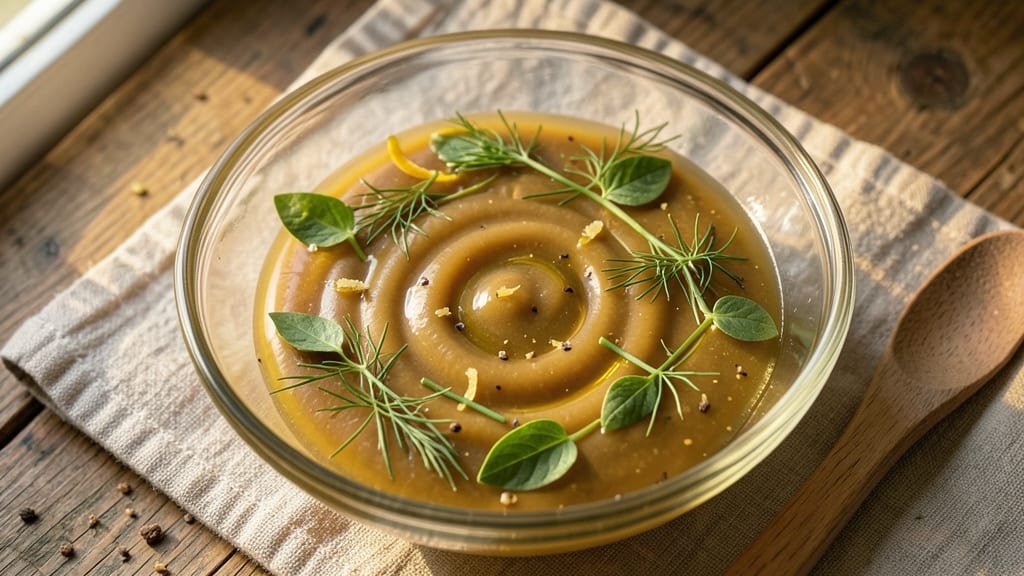
This 24-hour salad dressing recipe transforms basic ingredients into a complex, restaurant-worthy sauce through overnight flavor development. The magic happens when vinegar, oil, and herbs marry in your fridge, creating a depth of flavor you won't find in store-bought bottles.
I've perfected this technique over years of testing, and the results are nothing short of transformative.
What sets this dressing apart is the 24-hour resting period, which allows the acidity to mellow, the herbs to infuse fully, and the flavors to meld into perfect harmony.
You'll start with simple pantry staples—olive oil, red wine vinegar, Dijon mustard, and fresh herbs—but the waiting time elevates them to something extraordinary. This method works equally well for creamy vinaigrettes or bright, herb-forward dressings.
The dressing becomes more flavorful with each passing hour, reaching peak deliciousness at the 24-hour mark. The texture remains silky and emulsified, perfect for tossing with greens or drizzling over roasted vegetables.
Unlike quick dressings that lose potency, this one improves over time, making it ideal for meal preppers or anyone who wants to elevate their salads.
Once complete, store it in an airtight container in the refrigerator for up to two weeks. The flavors continue developing, so it only gets better with age.
Whether you're preparing for a week of lunches or simply want to take your salads to the next level, this dressing delivers consistent, professional-quality results with minimal effort.
Ingredients for 24 hour salad dressing
Nine simple ingredients transform into a restaurant-quality dressing with just 24 hours.
| Ingredient | Amount | Notes |
|---|---|---|
| Extra-Virgin Olive Oil 🫒 | 1 cup | High-quality, fruity variety preferred |
| Red Wine Vinegar 🍷 | ½ cup | Dry, bold flavor preferred |
| Dijon Mustard 🌶️ | 1 tbsp | Mellow, not hot variety |
| Fresh Dill Weeds 🌿 | ¼ cup | Chopped finely, stems removed |
| Fresh Tarragon Leaves 🌿 | ¼ cup | Finely chopped, vibrant green |
| Fresh Chives 🧅 | ¼ cup | Thinly sliced, mild onion flavor |
| Garlic Cloves 🧄 | 2 cloves | Minced finely, aromatic |
| Diamond Crystal Kosher Salt 🧂 | 1 tsp | Fine grain preferred |
| Freshly Ground Black Pepper 🌶️ | ½ tsp | Cracked peppercorns preferred |
| Raw Honey 🍯 | 1 tbsp | Mild floral variety preferred |
The olive oil is the backbone here—Californian extra-virgin or Italian varieties from Whole Foods or Trader Joe's work best. Look for bottles labeled 'first cold press' or 'fruity' for maximum flavor. The vinegar? Bartles & Jaymes or Bragg are my go-tos, but any dry red wine vinegar will do. Fresh herbs are non-negotiable—they're what make this dressing sing. Dill and tarragon are the stars, but if you can't find tarragon, fresh basil at half the amount works in a pinch. The garlic should be freshly minced right before mixing for maximum aroma.
No Dijon mustard? Whole-grain mustard thinned with water works in a bind, though it'll be slightly grainier. Short on fresh herbs? Dried dill and tarragon at one-third the amount can substitute, but the flavor won't develop as beautifully. The honey adds just enough sweetness to balance the acidity—avoid artificial honey substitutes, as they lack depth. For a completely vegan version, swap honey for agave nectar. If you're making this ahead for a crowd, double the batch—it keeps perfectly for two weeks in the fridge, and the flavor only gets better.
This dressing is all about patience. After mixing, let it sit at room temperature for 10 minutes before refrigerating—this helps emulsify the oil and vinegar. Store in a glass jar with a tight seal in the fridge. The flavors meld beautifully over 24 hours, but if you're in a hurry, 4 hours will still give you restaurant-quality results. Shake well before each use, as the oil will naturally separate. Perfect for meal prep—make a big batch on Sunday and enjoy all week long.
Why You'll Love This Recipe
- No-Chop Needed: Honestly, I love a recipe that doesn’t demand prep—just toss those whole dill sprigs and tarragon leaves into the jar with the oil, vinegar, and mustard. The herbs steep beautifully overnight, so you’re left with zero chopping and maximum flavor.
- Herb-Infused Magic: Between us, the tarragon and dill transform this from basic vinaigrette to something special. The bright, almost floral notes from the tarragon pair perfectly with the sharp tang of red wine vinegar—no fancy ingredients, just pure, addictive balance.
- Weeknight Meal Prep: I make a big batch on Sundays and keep it in the fridge all week. It’s my go-to for quick lunches, grain bowls, or even drizzled over roasted veggies—no last-minute dressing stress, just grab-and-go freshness.
- Budget-Friendly Luxury: Extra-virgin olive oil and fresh herbs might sound fancy, but this dressing stretches for ages. A little goes a long way, and the cost per serving is way lower than store-bought—plus, it tastes like you actually care. (Yes, even on a Tuesday night.)
Step-by-step instructions for 24-Hour salad dressing
This method transforms simple ingredients into a complex, restaurant-quality dressing overnight.
Combine Base Ingredients Thoroughly
In a medium bowl, whisk together the 1 cup extra-virgin olive oil and 0.5 cup red wine vinegar until completely emulsified. This initial blend should look like a smooth, creamy liquid with no visible separation. The olive oil should incorporate fully into the vinegar, creating a stable foundation for your dressing.
Next, add the 1 tablespoon Dijon mustard and whisk vigorously for about 30 seconds until fully combined. The mustard acts as an emulsifier, helping to bind the oil and vinegar together. If you notice any streaks of oil still lingering, keep whisking—this step is crucial for preventing separation later.
Incorporate Fresh Herbs and Aromatics
Gently fold in the 0.25 cup finely chopped fresh dill weeds, 0.25 cup fresh tarragon leaves, and 0.25 cup thinly sliced fresh chives using a silicone spatula. Be careful not to overmix, as this could bruise the delicate herbs and release bitter flavors. You want the herbs to be evenly distributed but still visible, adding both texture and vibrant color.
Add the 2 cloves minced garlic and whisk just until combined. The garlic should dissolve completely into the mixture, infusing the dressing with its aromatic depth. Taste a small spoonful at this stage—you'll notice a bright, herbal-forward flavor that will develop even more complexity overnight.
Season and Sweeten the Mixture
Add the 1 teaspoon Diamond Crystal kosher salt, 0.5 teaspoon freshly ground black pepper, and 1 tablespoon raw honey, then whisk until everything is fully incorporated. The honey will balance the acidity of the vinegar and add a subtle sweetness that enhances the overall flavor profile. At this point, your dressing should taste harmonious but still have room to develop deeper notes overnight.
Give the mixture one final taste and adjust the seasoning if needed. You might find you need a touch more salt or pepper to achieve perfect balance. Remember, the flavors will continue to meld and intensify as it rests, so don't over-season at this stage.
Let It Rest and Develop Overnight
Transfer the dressing to a clean, airtight jar or container. Seal it tightly and let it sit at room temperature for 24 hours. This resting period is where the magic happens—the flavors will deepen, the herbs will release their oils more fully, and the dressing will achieve a perfect balance of acidity, sweetness, and herbal complexity.
After 24 hours, give the dressing one final whisk before using. You'll notice a significant improvement in texture and flavor compared to the initial mixture. The dressing should now have a velvety consistency with a rich, layered taste that makes every salad more exciting. Store any leftovers in the refrigerator for up to 1 week, though it's unlikely you'll have any left!
Pro Tips For Making 24 Hour Salad Dressing
- STRAIN THE HERBS: After 24 hours, the dressing will look like a swampy soup if you don’t filter out the herb stems. Use a fine-mesh sieve or cheesecloth—no, a regular strainer won’t cut it—and press gently with a spoon to extract every last drop of flavor. I learned this the hard way when I ended up with a dressing that looked like it belonged in a bouillabaisse.
- WHISK IN STAGES: Don’t dump all the vinegar in at once or you’ll end up with a dressing that separates like oil and water. Start with half the vinegar and Dijon, whisk until smooth, then add the rest. The mustard needs time to emulsify properly, and rushing it guarantees a broken dressing. (Yes, even if you’re impatient like me.)
- USE COLD OIL: Pull that olive oil from the fridge—room temperature oil emulsifies faster, but cold oil binds better with the vinegar and mustard over 24 hours. I was skeptical until I tried it: the dressing stays silky and doesn’t turn greasy after sitting. Just don’t let the oil get solid; a few minutes in the fridge is enough.
- CHECK THE VINEGAR BALANCE: Red wine vinegar is stronger than you think—start with 2 tablespoons and taste before adding more. If it’s too sharp, a pinch of sugar (or even a drop of honey) can round it out without overpowering the herbs. I used to overdo it every time, and the dressing always tasted like it needed a chaser.
Serving suggestions for this recipe
Salad Pairings
This dressing shines with buttery romaine or crisp arugula—the peppery bite of arugula balances the dressing's herbal sweetness perfectly. For heartier salads, try shaved fennel and pear slices with toasted walnuts. The honey in the dressing complements the natural sweetness of pears beautifully. 🥗
For a warm salad, toss with roasted beets and goat cheese—the earthy beets and tangy cheese create a perfect contrast to the dressing's bright acidity. I love adding crispy prosciutto for a salty crunch that ties everything together.
Meal Pairings
Use this dressing as a dipping sauce for crusty bread or fresh oysters—the herbal notes elevate both. I've also drizzled it over grilled chicken or seared scallops for an instant flavor boost. The dressing's balance makes it versatile enough for both seafood and poultry.
For a complete meal, pair the dressing with grilled shrimp skewers and quinoa salad. The dressing's acidity cuts through the richness of the shrimp, while the quinoa adds a satisfying texture contrast. Serve with steamed asparagus for a restaurant-quality plate.
Garnish Ideas
Add toasted pine nuts or pumpkin seeds for crunch—just toast them in a dry pan for 1-2 minutes until golden. A sprinkle of fresh lemon zest brightens the dressing even more. For a pop of color, try edible flowers like nasturtiums or violets.
If you love cheese, crumble feta or blue cheese over your salad just before serving. The salty tang pairs wonderfully with the dressing's herbal sweetness. I also love adding thinly sliced radishes for a crisp, peppery bite that keeps every bite exciting.
Make-Ahead Meals
Prep grain bowls with quinoa, roasted veggies, and chickpeas—store them separately in the fridge. When ready to eat, toss with the dressing and top with avocado slices and cherry tomatoes. The dressing's flavors develop even more after 48 hours, making it perfect for meal prep.
For salad jars, layer dressing-resistant ingredients like hard-boiled eggs, cucumber slices, and shredded carrots at the bottom. Add greens and dressing last so everything stays fresh. I always pack these for lunches—the dressing keeps the greens crisp for days.
Nutrition facts
Frequently asked questions
Why does this dressing need 24 hours to develop flavor?
The 24-hour rest allows the acidity from the vinegar to mellow, the herbs to fully infuse their oils, and the oil-vinegar emulsion to stabilize. This slow process creates complex, layered flavors that quick dressings can't achieve. Think of it like steeping tea—more time equals deeper flavor!
Can I make this dressing without fresh herbs?
Yes, but the flavor will be less vibrant. Use 1/3 the amount of dried herbs (like dried dill and tarragon) and add 1/2 teaspoon dried lemon zest for brightness. Store-bought herb blends work, but fresh herbs are worth the effort for that restaurant-quality taste.
What if my dressing separates after refrigeration?
This is completely normal! Just whisk vigorously for 30-60 seconds before using. The mustard acts as an emulsifier, but refrigeration can cause slight separation. For extra stability, add 1/2 teaspoon xanthan gum when mixing, but it's not required for this recipe.
How long will this dressing last in the fridge?
Properly stored in an airtight jar, this dressing stays fresh for up to 2 weeks. The flavors actually improve over time, reaching peak deliciousness around 3-5 days. If you notice any off smells or mold, discard it immediately.
Can I adjust the sweetness or acidity?
For more sweetness, add 1/2 tablespoon honey; for extra tang, increase the vinegar by 1 tablespoon. Start with small adjustments—taste as you go. The dressing's balance is delicate, so modify gradually to avoid overpowering flavors.