
Salads
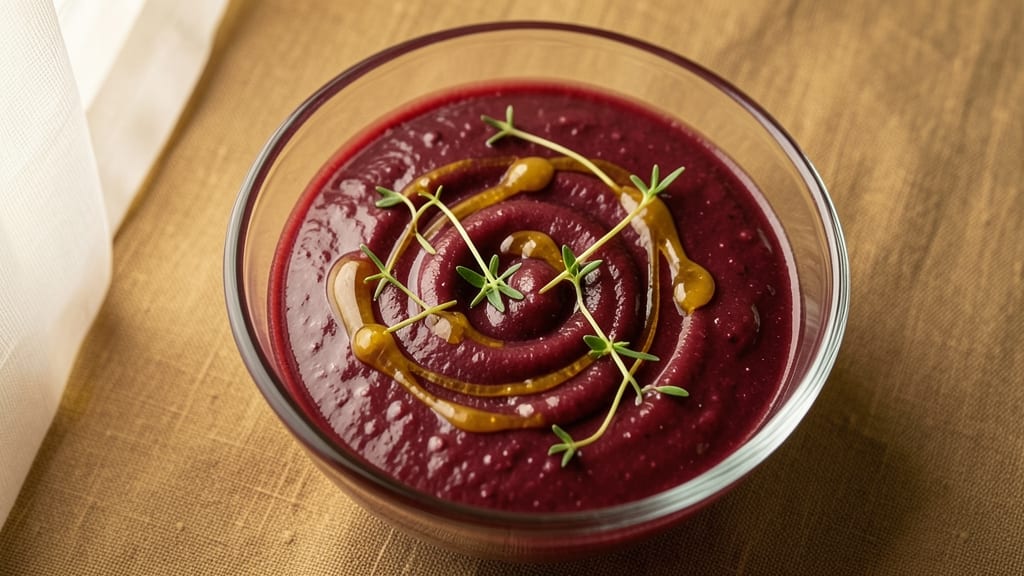
This 55 Restaurant Salad Dressing delivers the same bold, restaurant-quality vinaigrette flavor you crave—without the price tag. The secret lies in balancing sharp vinegar, high-quality oil, and a touch of sweetness, creating a dressing that clings perfectly to greens while standing up to bold flavors.
I developed this recipe after years of testing, ensuring it stays fresh for days and elevates even the simplest salad into something extraordinary.
The foundation of this dressing is a simple yet powerful combination: red wine vinegar for acidity, Dijon mustard as a natural emulsifier, and a hint of honey to balance the sharpness.
Fresh herbs like tarragon or thyme add depth, while a pinch of salt and pepper rounds out the flavor profile. Unlike many store-bought dressings, this one doesn’t separate or lose its vibrancy, making it ideal for meal prep or last-minute salads.
What sets this dressing apart is its versatility and longevity. It works equally well on hearty kale salads, delicate arugula, or even as a marinade for grilled chicken.
The ingredients are pantry staples, so you can whip it up in minutes, and it keeps in the fridge for up to a week—far longer than most homemade dressings. No special equipment is needed, just a whisk or a jar for shaking.
Once you taste this dressing, you’ll never settle for bottled again. It’s the kind of recipe that transforms everyday meals into something special, proving that restaurant-quality flavor is always within reach. Ready to elevate your salads? Let’s get started.
Ingredients for 55 restaurant salad dressing
Nine simple ingredients transform into restaurant-quality vinaigrette that lasts for days.
| Ingredient | Amount | Notes |
|---|---|---|
| Red Wine Vinegar 🍷 | ½ cup | High-quality, aged variety |
| Extra-Virgin Olive Oil 🫒 | ¾ cup | Fruity, peppery preferred |
| Dijon Mustard 🌶️ | 1 tbsp | Mellow or strong variety |
| Honey 🍯 | 1 tbsp | Wildflower or clover preferred |
| Fresh Tarragon 🌿 | 1 tbsp | Chopped finely or dried substitute |
| Fresh Thyme Leaves 🍃 | 1 tbsp | Or 1 tsp dried thyme |
| Granulated Garlic 🧄 | 1 tsp | For subtle garlic flavor |
| Kosher Salt 🧂 | ½ tsp | Diamond Crystal preferred |
| Freshly Ground Black Pepper 🌶️ | ¼ tsp | Cracked peppercorns preferred |
| Water 💧 | 2 tbsp | For thinning if needed |
The red wine vinegar is non-negotiable—Bragg or Annie's are my go-tos for consistent quality. If you can't find aged vinegar, regular red wine vinegar works fine. The olive oil matters too: California avocado oil or Italian extra-virgin from Whole Foods or Trader Joe's add richness. I always grab a small bottle of freshly cracked peppercorns from the bulk section—they make a difference. For the honey, local wildflower adds subtle floral notes that elevate the dressing.
No Dijon mustard? Whole-grain mustard thinned with water works in a pinch. Fresh herbs not available? Dried tarragon or thyme at one-third the amount still adds depth. The granulated garlic is optional—skip it if you're sensitive to strong flavors. For a sweeter dressing, add an extra teaspoon of honey. The water is just for thinning if the dressing gets too thick after shaking—start with just 1 tbsp and adjust as needed.
This dressing keeps for up to 1 week in the fridge, far longer than most homemade versions. Store it in a clean glass jar with a tight seal. Shake well before each use—the flavors meld overnight, making it taste even better the next day. For meal prep, I make a double batch and portion it into small jars. It's also great for marinades—use it on grilled chicken or steak for a bold, tangy flavor.
Why You'll Love This Recipe
- No Whisk Needed: I swear by this one—just shake it in a jar. The red wine vinegar and Dijon cut through the richness of the olive oil while the honey smooths everything out. Honestly, I’ve made it while standing in line at the grocery store.
- Tarragon Magic: That fresh tarragon? It’s the secret weapon. The anise-like kick turns a basic vinaigrette into something sophisticated—like a fancy bistro salad without the $20 price tag. Between us, it’s the only dressing I’ll use on grilled chicken.
- Weeknight Workhorse: This dressing doubles as a marinade, dipping sauce, or finishing drizzle. I’ve used it on roasted veggies, tossed it with pasta, and even glopped it on avocado toast. It’s the one pantry staple that makes everything feel intentional.
- Jarred Goldmine: Make a double batch—it keeps for weeks in the fridge. The honey prevents it from separating, so you’re always ready for last-minute salads or a quick lunch. I’ll be real: I’ve had it sitting in my fridge for three months, and it’s still better than store-bought.
Step-by-step instructions for bold vinaigrette with long-lasting freshness
Here's how to create a restaurant-worthy dressing that stays fresh and vibrant for days.
Whisk Vinegar and Mustard Until Smooth
In a medium bowl, combine the 0.5 cup red wine vinegar and 1 tablespoon Dijon mustard. Whisk vigorously for 30 seconds until the mustard is fully incorporated and the mixture looks uniform. This step emulsifies the vinegar and mustard, creating a stable base for your dressing. The mustard also adds that subtle tang and thickness that elevates this beyond basic vinaigrette.
I like to use a wire whisk for this—it creates more air and helps blend the ingredients thoroughly. If you notice the mixture separating slightly, just keep whisking. This is normal with vinegar and mustard, and the oil will help bind everything together in the next step.
Gradually Add Olive Oil While Whisking
With the whisk still in the bowl, slowly drizzle in the 0.75 cup extra-virgin olive oil while whisking continuously. This gradual addition is key—it prevents the dressing from breaking and creates that silky, emulsified texture you want. Start slowly at first, then increase to a steady stream as the mixture begins to thicken.
You'll know you're on the right track when the dressing starts to look creamy rather than oily. If it looks too thick, we'll adjust it later with water. The olive oil should be cold or room temperature—never hot—so it blends smoothly without separating.
Sweeten and Season the Base
Add the 1 tablespoon honey, 1 teaspoon granulated garlic, 0.5 teaspoon kosher salt, and 0.25 teaspoon freshly ground black pepper to the bowl. Whisk everything together for another 30 seconds until the honey dissolves completely. The honey adds a subtle sweetness that balances the acidity of the vinegar, while the garlic and pepper provide depth.
Taste the mixture now—you should notice a bright, tangy flavor with a touch of sweetness. This is your flavor foundation. If it needs more salt, add a pinch at a time until it's perfectly balanced. The dressing should taste bold but not overpowering—this is your target flavor profile.
Incorporate Fresh Herbs for Vibrant Flavor
Gently fold in the 1 tablespoon fresh tarragon and 1 tablespoon fresh thyme leaves using a silicone spatula. Be careful not to overmix—you want to preserve the herbs' texture and color. The tarragon adds a delicate anise-like note, while the thyme brings an earthy warmth that complements the dressing beautifully.
If you're using dried herbs instead, reduce the amount to 1 teaspoon each and crush them lightly between your fingers before adding. Fresh herbs will give your dressing a brighter, more vibrant flavor that lasts longer in the fridge.
Thin to Desired Consistency
If the dressing is too thick, add the 2 tablespoons water one tablespoon at a time while whisking continuously. You want a consistency that coats the back of a spoon but still drizzles smoothly. This dressing should cling nicely to greens without making them soggy.
For a lighter dressing, use the full 2 tablespoons. For a thicker dressing, you can skip the water entirely or add just 1 tablespoon. The beauty of this recipe is its flexibility—you can adjust it to your preference while keeping that restaurant-quality texture.
Pro Tips For Making 55 Restaurant Salad Dressing
- Whisk in stages: Start with the vinegar and mustard, then slowly drizzle in the olive oil—this keeps the dressing from breaking. I learned this the hard way after making a curdled mess the first time I dumped everything in at once.
- Use room-temp honey: Cold honey thickens the dressing weirdly, so let it sit out for 10 minutes before adding. Yes, even if you’re impatient like me, this makes a real difference in texture.
- Muddle the tarragon: Roughly chop the tarragon stems and leaves, then give it a quick muddle in the bowl before adding other ingredients. This releases more flavor—no need for fancy tools, just a spoon and elbow grease.
- Taste the mustard first: Check the Dijon’s sharpness before mixing—some brands are milder than others. Adjust with a pinch of salt or extra vinegar if it tastes too mild, since it’s the backbone of the dressing.
Flavor customization for this recipe
Sweet & Tangy Variations
Swap the honey for 1 tbsp maple syrup and add ½ tsp vanilla extract for a deeper, caramel-like sweetness that pairs perfectly with fruit salads or grilled chicken.
For a tropical twist, replace the tarragon with 1 tbsp finely chopped fresh basil and add 1 tsp lime zest—this works wonderfully with mango or avocado salads. 🌶️
Spicy & Smoky Options
Boost the heat by adding ½ tsp smoked paprika and ¼ tsp cayenne pepper for a smoky kick. For extra depth, stir in 1 tsp miso paste (white or red) and a pinch of ground cumin—this creates a umami-rich dressing that complements roasted vegetables or hearty grain bowls.
Always taste as you go!
Herb Swaps for Seasonal Flavor
Spring calls for 1 tbsp fresh dill and 1 tsp lemon juice to brighten up your greens, while summer begs for 1 tbsp chopped cilantro and a splash of orange juice.
In fall, 1 tbsp fresh rosemary (finely chopped) and ½ tsp cinnamon add warmth, perfect for kale or butternut squash salads. Winter? Try 1 tbsp fresh sage and a touch of balsamic vinegar for a rich, earthy flavor.
Creamy Dressing Upgrade
For a velvety texture, whisk in 2 tbsp crème fraîche or Greek yogurt after adding the oil. This transforms your dressing into a creamy vinaigrette that works beautifully with grain bowls or as a marinade.
Add ½ tsp Dijon mustard to help emulsify the dairy for a silky finish. Just be sure to shake well before each use—it separates slightly but comes back together!
Global Flavor Twists
For an Asian-inspired dressing, replace the red wine vinegar with rice vinegar and add 1 tsp sesame oil, 1 tsp soy sauce, and 1 tsp grated ginger. A Mediterranean version swaps thyme for 1 tbsp chopped oregano and adds 1 tsp capers for briny depth.
Each variation keeps the same base technique but transforms the flavor profile entirely. 🌍
Sweet & Nutty Finishes
Add 1 tbsp toasted walnuts or pecans (finely chopped) for crunch and nutty richness. For a dessert-friendly twist, reduce the vinegar to ¼ cup and add 1 tbsp balsamic glaze—this works as a glaze for grilled peaches or as a drizzle over strawberry salads.
The key is balancing sweetness with acidity to keep the dressing vibrant and versatile. 🍯
Nutrition facts
Frequently asked questions
Can I make this dressing without Dijon mustard?
Yes! Use 1 tbsp whole-grain mustard thinned with 1 tsp water instead. The key is to ensure your emulsifier works—if you're avoiding mustard entirely, try 1 tsp honey or maple syrup combined with 1 tsp cornstarch or arrowroot powder whisked into the vinegar first to stabilize the oil.
Why does my dressing separate after a few days?
This is normal for vinaigrettes—they naturally separate when stored. Just shake vigorously before using! For longer stability, add 1 extra tsp Dijon mustard or whisk in 1 tsp xanthan gum (a pinch) when making it. The recipe's honey and mustard combo helps prevent separation better than most homemade dressings.
What's the best way to store this dressing?
Transfer to a clean, airtight glass jar and refrigerate. It keeps for up to 1 week—far longer than most store-bought versions. For extended storage, freeze in 1-tbsp portions in ice cube trays, then transfer to a bag. Thaw overnight in the fridge before using. The flavors actually improve after 24 hours!
Can I use this dressing on non-salad dishes?
It makes an excellent marinade for grilled chicken or fish, a dip for crudités or crostini, or a finishing sauce for roasted vegetables. The acidity tenderizes meats beautifully, while the herbs add depth to any dish. Just reduce the water if using as a marinade—2 tbsp per pound of meat works well.
How do I adjust the flavor if it's too sharp?
Add ½ tsp more honey or maple syrup to balance the acidity, or reduce the vinegar by 1 tbsp and add 1 tbsp water instead. For a richer flavor, stir in ½ tsp olive oil—this rounds out the taste without changing the texture. Always taste as you go! The dressing should be bold but harmonious.