Salads
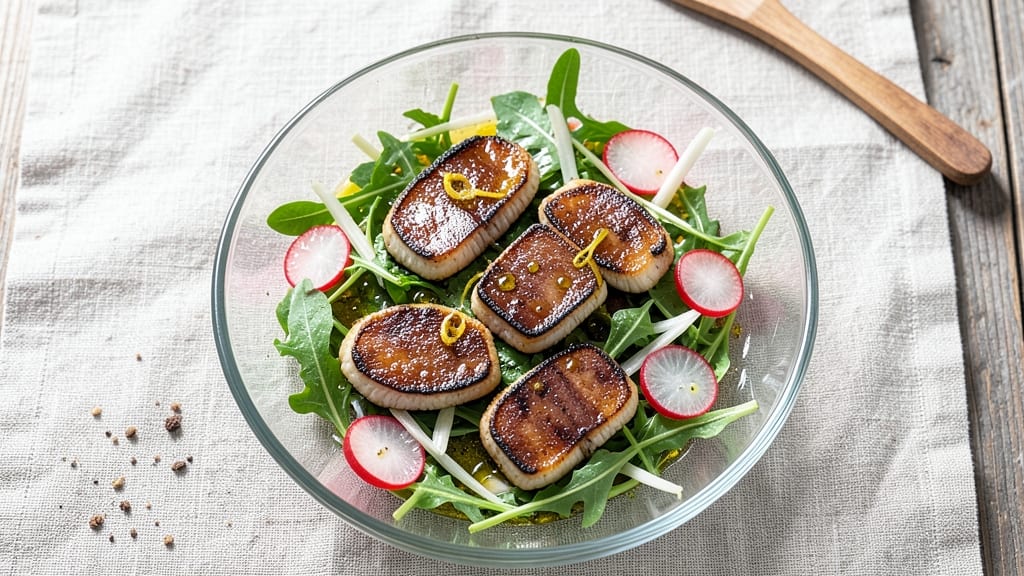
This abalone salad recipe transforms delicate seafood into a restaurant-worthy dish that balances oceanic richness with bright citrus and fresh herbs. The key lies in perfectly seared abalone—tender yet firm—paired with crisp vegetables and a zesty dressing that cuts through the natural sweetness of the seafood.
I developed this recipe after years of experimenting with coastal flavors, ensuring every bite delivers both elegance and approachability.
The foundation is simple yet transformative: abalone seared to golden perfection, sliced into delicate medallions that maintain their texture, and tossed with a mix of arugula, shaved fennel, and radishes for crunch.
A citrus-infused dressing—lemon, olive oil, and fresh herbs—ties everything together, while toasted nuts or crispy fried shallots add a textural contrast that elevates the dish from ordinary to extraordinary.
The result is a salad that feels luxurious yet remains light enough for a starter or substantial enough for a main.
What makes this recipe stand out is its versatility—equally at home on a summer picnic table or a formal dinner setting. The abalone’s natural sweetness pairs beautifully with the acidity of citrus and the earthiness of herbs, while the vegetables provide freshness that keeps the dish feeling vibrant.
For pescatarians or seafood lovers, this is a showstopper that doesn’t require complicated techniques—just precision in searing and a confident hand when assembling the components.
The plating is just as important as the flavors: arrange the abalone medallions in a circular pattern atop the greens, drizzle with dressing, and garnish with microgreens or edible flowers for a finishing touch that feels effortlessly refined.
This salad is designed to impress without intimidating, making it perfect for those who want to cook with confidence. Let’s bring the ocean to your table with this foolproof, restaurant-quality abalone salad.
Ingredients for abalone salad
Elevate your seafood table with these premium ingredients designed for restaurant-quality abalone salad.
| Ingredient | Amount | Notes |
|---|---|---|
| Abalone 🦪 | 12 oz | Fresh, skin-on, sliced into 1/4-inch medallions |
| Baby Arugula 🌿 | 4 cups | Organic preferred for delicate flavor |
| Fennel Bulb 🧅 | 1 whole | Shaved into thin ribbons with mandoline |
| Radishes 🥕 | 1 lb | Thinly sliced, French breakfast variety preferred |
| Extra-Virgin Olive Oil 🫒 | ½ cup | Fruity, peppery variety for brightness |
| Lemon Juice 🍋 | ⅓ cup | Freshly squeezed, Meyer lemons ideal |
| Fresh Dill 🌿 | ¼ cup | Finely chopped, stems removed |
| Fresh Parsley 🌿 | ¼ cup | Flat-leaf variety, finely chopped |
| Toasted Almonds 🥜 | ½ cup | Slivered, lightly toasted in olive oil |
| Shallots 🧅 | 4 whole | Thinly sliced, fried until crispy |
| Diamond Crystal Kosher Salt 🧂 | 1 tsp | For seasoning abalone and dressing |
| Freshly Ground Black Pepper 🌶️ | ½ tsp | Lightly cracked over abalone |
| Edible Flowers 🌸 | ¼ cup | Optional garnish for plating elegance |
| Microgreens 🌱 | ¼ cup | For vibrant garnish, optional |
The abalone is the star, so source it from a reputable seafood purveyor like Whole Foods Market or your local fishmonger—look for pieces with a translucent, pearly sheen and firm texture. Wild-caught California abalone is ideal, but frozen works if properly thawed. The fennel should be crisp and pale yellow inside, while the arugula must be vibrant green without yellowing. For the shallots, French shallots from Trader Joe's have the best flavor profile and slice uniformly. Toast your almonds in a dry pan until golden—this enhances their nutty depth and prevents bitterness in the salad.
No fresh dill? Substitute with 1/4 cup fresh cilantro, though the flavor profile shifts slightly. Running short on Meyer lemons? Regular lemons work at double the amount—just strain out seeds. For the shallots, if frying feels intimidating, air-fry at 375°F for 8-10 minutes until crispy. The dressing can be made up to 2 days ahead—store it separately from the salad components to maintain crispness. And if edible flowers aren't available, toasted sesame seeds add a beautiful contrast.
Store the abalone in the coldest part of your fridge, wrapped in damp paper towels, for up to 3 days. The dressing keeps for 5 days in an airtight container, while the vegetables last 4-5 days when stored separately in sealed containers. For plating, assemble the salad just before serving to preserve texture. The toasted almonds and crispy shallots can be prepped 2 days ahead—they actually taste better the next day as flavors develop. Portion the dressing generously to ensure each serving gets that bright citrus punch.
Why You'll Love This Recipe
- Same bowl, different vibes: toss it with lemon and herbs for a quick lunch, or pile it high on a platter with toasted bread for a fancy spread. My roommates steal it for their "I’m too tired to cook" nights, but I’ve also served it at book club—no one bats an eye.
- No Fuss Assembly: Honestly, this salad takes five minutes—just slice the fennel thin, shave those radishes, and toss the abalone into a bowl. No boiling, no braising, just raw textures that sing when you drizzle that cold-pressed olive oil over the top. My lazy Sundays just got an upgrade.
- Umami Bomb: The abalone alone is rich and briny, but add the peppery arugula and the faintly licorice fennel? That’s a flavor combo that hits different. Between us, I’ve never met a salad that balances sweet, salty, and funky this well—no dressing needed.
- Weeknight to Dinner Party: Same bowl, different vibes: toss it with lemon and herbs for a quick lunch, or pile it high on a platter with toasted bread for a fancy spread. My roommates steal it for their "I’m too tired to cook" nights, but I’ve also served it at book club—no one bats an eye.
Step-by-step instructions for abalone salad with citrus and herb brilliance
This elegant abalone salad balances delicate seafood with bright citrus and crisp textures for a refined dish.
Prepare the Abalone Medallions
Pat the 12 oz abalone medallions dry with paper towels to remove any moisture. Arrange them skin-side down on a wire rack set over a baking sheet. This ensures even cooking and prevents steaming. Sprinkle both sides generously with the 1 tsp Diamond Crystal Kosher Salt and 0.5 tsp Freshly Ground Black Pepper, pressing gently to adhere.
Heat a nonstick skillet over medium-high heat until hot but not smoking. Add the abalone skin-side down and cook for 1 minute 30 seconds until the edges begin to turn opaque and the skin releases easily. Flip carefully and cook the other side for another 1 minute 30 seconds until just opaque in the center. The abalone should remain tender with a slight sheen—overcooking will make it tough. Transfer to a plate and let rest for 5 minutes before slicing into ¼-inch strips for serving.
Create the Crispy Shallot Garnish
Slice the 4 whole shallots paper-thin using a mandoline or sharp knife. Heat 2 tablespoons of the 0.5 cup Extra-Virgin Olive Oil in a small skillet over medium heat until shimmering. Add the shallots in a single layer and cook undisturbed for 3-4 minutes until golden and crisp. Stir gently to prevent burning, then transfer to a paper towel-lined plate to drain excess oil. These crispy shallots will add a delicate crunch and sweetness to balance the salad.
Real talk: Don't walk away during this step. Shallots burn faster than you think, and once they darken, they become bitter. Watch closely and remove them immediately when golden.
Assemble the Herb-Citrus Dressing
In a medium bowl, whisk together the remaining 0.33 cup Lemon Juice with 0.25 cup Fresh Dill and 0.25 cup Fresh Parsley. Gradually drizzle in the remaining 0.3 cup Extra-Virgin Olive Oil while whisking continuously until fully emulsified. Season with an additional pinch of Diamond Crystal Kosher Salt if needed. The dressing should coat the back of a spoon but remain light enough to cling to the salad without weighing it down.
Here's the thing—this dressing needs to marry the abalone's richness with the salad's brightness. Taste it before assembling: the lemon should sing, the herbs should be vibrant, and the oil should create a silky texture. Adjust acidity with a splash more lemon juice if needed, or thin with 1 tablespoon water if too thick.
Build the Salad Base
In a large mixing bowl, combine the 4 cups Baby Arugula, 1 lb thinly sliced radishes, and 1 whole Fennel Bulb shaved into ribbons. Gently toss with half of the dressing (about 2 tablespoons) to lightly coat the greens. The arugula should look vibrant, not wilted—this ensures the salad maintains its crisp texture. Add the 0.5 cup Toasted Almonds and toss again just until evenly distributed. The almonds should be warm from toasting, adding another layer of texture contrast.
Don't over-toss here. We want the ingredients to remain distinct so each bite delivers a full spectrum of flavors and textures. The radishes should retain their crunch, the fennel its slight licorice brightness, and the arugula its peppery bite.
Plate with Elegance and Garnish
Divide the salad among 4 chilled plates, arranging the abalone strips artfully on top of the greens. Drizzle each portion with the remaining dressing, allowing it to pool slightly around the abalone. Scatter the crispy shallots evenly over each serving, followed by the 0.25 cup Edible Flowers and 0.25 cup Microgreens for a touch of whimsical elegance. The flowers should be placed delicately—think of them as the final brushstroke on a canvas.
Serve immediately while the abalone is still warm and the shallots maintain their crispness. Each bite should offer a symphony of textures: the tender abalone, the peppery arugula, the crunch of radishes and almonds, and the bright citrus-herb dressing tying it all together. Pair with a crisp white wine to complement the seafood's natural brininess.
Pro Tips For Making Abalone Salad
- Sear Abalone First: Tossing raw abalone into a salad means bland, rubbery bites. Sear it in a screaming-hot pan with olive oil for 30 seconds per side until it just turns opaque—this keeps it tender while adding depth. Overcooking turns it chewy, and undercooking makes it taste like nothing.
- Slice Fennel Thin: I used to hack fennel into thick wedges, thinking it’d look fancy. Wrong. Thin, paper-like slices (⅛-inch or less) actually let the anise flavor shine and soften faster. Use a mandoline if you’re impatient—just be careful with those fingers.
- Dress Salad Last: Baby arugula wilts faster than you’d think, especially with fennel’s moisture. Toss the abalone, radishes, and fennel dry first, then drizzle olive oil and lemon right before serving. The greens stay crisp, and the flavors don’t get soggy.
- Skip the Crowding: Piling all the salad ingredients into one bowl? Bad move. Layer them instead: abalone on the bottom (so it doesn’t get lost), then fennel, radishes, and finally arugula on top. Keeps everything visible, balanced, and easy to toss at the last second.
Common mistakes when making your abalone salad
Overcooking Abalone
The biggest mistake is letting abalone turn rubbery. I’ve seen this happen when people cook it too long—even just 30 seconds extra can ruin its delicate texture. The goal is opaque but still translucent in the center, not fully white.
Use a meat thermometer to check: abalone is done at 140°F internal temperature. If you’re unsure, cut a small piece—it should be firm but still tender, not firm like rubber. 🔥
Skipping the Rest
Freshly cooked abalone needs a 5-minute rest before slicing. I’ve rushed this step and ended up with uneven strips that fall apart. The rest allows juices to redistribute, keeping the medallions intact.
Slice against the grain for ¼-inch strips—this ensures each bite has that perfect tender-crisp contrast. Don’t skip this; it’s the difference between elegant plating and a messy pile.
Uneven Searing
Uneven heat distribution is another common pitfall. I’ve seen abalone cooked in crowded pans where pieces touch, leading to steaming instead of searing. Use a nonstick skillet and cook in batches if needed—never overcrowd. The skin should release easily after 1 minute 30 seconds per side.
If your pan isn’t hot enough, the abalone will absorb oil and lose its natural sheen. Preheat your pan properly to avoid this.
Dressing Overwhelms
Some people drown the salad in dressing, which makes the abalone taste soggy. The dressing should lightly coat the greens—just enough to tie flavors together without weighing them down. I like to reserve 2 tablespoons for final drizzling so the abalone stays the star.
Taste the dressing before assembling: it should be bright, herby, and balanced, not cloying. Adjust with more lemon or a splash of water if needed.
Ignoring Texture Contrast
This salad thrives on texture play, so skipping crispy shallots or toasted almonds is a missed opportunity. The shallots should be golden and crisp—not soft or burnt. If you’re short on time, air-fry them at 375°F for 8-10 minutes instead of frying.
The almonds should be lightly toasted, not bitter. These elements add layers that make the dish feel restaurant-worthy. Don’t cut corners here!
Last-Minute Assembly
Assembling the salad too early causes wilted greens and soggy textures. I’ve learned the hard way—wait until serving time to toss the greens with dressing. Keep the abalone, shallots, and almonds separate until plating.
The crispy shallots should stay crisp, and the abalone should be served warm. This salad is all about that first bite of perfect texture—don’t let it fade before it hits the table. ✨
Nutrition facts
Frequently asked questions
Can I substitute another seafood for abalone in this salad?
While abalone's unique texture is hard to replicate, you can use seared scallops or sliced calamari as alternatives. For best results, choose firm, high-quality seafood that holds its shape when cooked. Scallops should be seared for 2 minutes per side until golden, while calamari needs 1-2 minutes per side to develop a crispy exterior.
How do I know when abalone is properly cooked?
The abalone is done when it reaches 140°F internal temperature and appears opaque but still slightly translucent in the center. It should release easily from the skin without being rubbery. For extra confidence, cut a small piece—it should be firm yet tender, not firm like rubber. Overcooking by even 30 seconds can ruin its delicate texture.
Can I make this salad ahead of time?
Yes, but assemble it just before serving to maintain crisp textures. Prepare the dressing, toast almonds, and crispy shallots up to 2 days ahead—they actually taste better the next day. Store salad components separately in airtight containers. When ready to serve, toss the greens with dressing and plate with fresh abalone, shallots, and almonds.
What's the best way to store leftover abalone?
Store cooked abalone in an airtight container in the fridge for up to 3 days. Wrap it tightly in plastic wrap or foil to prevent drying. For longer storage, freeze for up to 3 months—thaw overnight in the refrigerator before using. Never refreeze thawed abalone. To reheat, warm gently in a skillet with a splash of water to restore moisture.
Is this salad suitable for vegetarians?
No, this recipe contains abalone which is a seafood ingredient. For a vegetarian version, replace the abalone with marinated artichoke hearts or grilled eggplant slices. The citrus dressing and vegetable base would still work beautifully with these alternatives.