
Salads
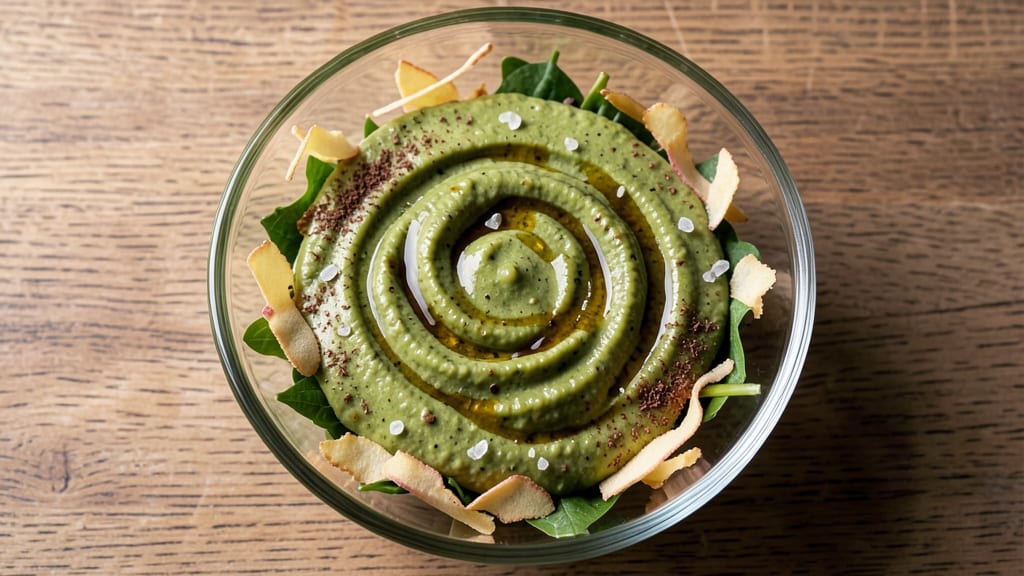
This acid reflux salad dressing recipe transforms your salads into soothing, digestion-friendly meals without sacrificing flavor. Designed with gentle ingredients like olive oil, almond milk, and avocado, it avoids common triggers like vinegar and citrus while delivering a creamy, satisfying zing.
The secret lies in balancing mild flavors with acid-neutralizing elements—think fresh ginger and licorice root—so every bite feels comforting yet vibrant.
What sets this dressing apart is its simplicity and versatility. With just five ingredients, it comes together in minutes, making it perfect for busy weeknights or meal prep.
The base of extra-virgin olive oil provides healthy fats, while almond milk adds a light, creamy texture that won’t weigh you down. A touch of avocado lends richness, and a pinch of licorice root (or fennel for a milder option) soothes the digestive system naturally.
The result is a dressing that’s gentle on digestion but bold in flavor—ideal for leafy greens, grilled proteins, or roasted vegetables. It stays fresh in the fridge for up to 5 days, making it a go-to for quick lunches.
Whether you’re managing reflux or simply seeking a lighter dressing, this recipe proves healthy eating doesn’t mean sacrificing taste.
Pair it with spinach, quinoa, or baked chicken for a meal that’s as kind to your stomach as it is delicious. Here’s how to make it—no vinegar, no regrets, just flavor that works for you.
Ingredients for acid reflux salad dressing
Five simple ingredients create a soothing, digestion-friendly dressing that still packs flavor.
| Ingredient | Amount | Notes |
|---|---|---|
| Extra-Virgin Olive Oil 🫒 | ½ cup | High-quality, fruity variety |
| Unsweetened Almond Milk 🥛 | ¼ cup | Plain, unsweetened version |
| Ripe Avocado 🥑 | 1 whole | Firm but yielding texture |
| Fresh Ginger Root 🌿 | 1 tbsp | Finely grated, fresh preferred |
| Licorice Root Powder 🍃 | ½ tsp | Or fennel powder for milder taste |
| Sea Salt 🧂 | ¼ tsp | Fine grain preferred |
| Black Pepper 🌶️ | ⅛ tsp | Freshly ground preferred |
| Lemon Juice 🍋 | 1 tsp | Freshly squeezed, optional |
The olive oil is the star here—look for extra-virgin with a fruity aroma, not that harsh, peppery stuff. Trader Joe's or Whole Foods carry solid options, but any good grocery store should have it. The almond milk needs to be unsweetened—flavored versions will throw off the balance. Avocados should be ripe but not mushy; squeeze gently to test. Fresh ginger is ideal, but if you're in a pinch, powdered ginger works at half the amount. Licorice root powder might sound odd, but it's a game-changer for reflux—find it in health food stores or online if your regular grocery doesn't carry it.
No almond milk? Oat milk or coconut milk work just as well—just stick to unsweetened. Avocado too soft? Swap in mashed banana for creaminess, though it'll add natural sweetness. Skip the lemon juice entirely if you're sensitive to acidity, but if you include it, use only a teaspoon—this isn't a vinaigrette. The licorice root can be swapped for fennel powder if you prefer a milder taste. And if you can't find licorice root at all, a pinch of cinnamon adds warmth without being overpowering. The pepper is optional but adds a nice kick if your reflux allows it.
This dressing stays fresh for 5 days in the fridge, but the avocado will turn brown faster. To prevent that, pour a thin layer of olive oil on top before sealing. It's perfect for meal prep—make a double batch and store in small jars for quick salads. The flavors actually improve after sitting overnight as everything melds together. If you're sensitive to textures, blend it until completely smooth—no chunks at all. And if you end up with extra, it's great on avocado toast or as a dip for veggies.
Why You'll Love This Recipe
- No Blender Needed: I swear by this—just a fork and a bowl. Mash that avocado right in, stir in the olive oil and almond milk, and you’re done. No fancy equipment, no stress, just smooth, creamy goodness in minutes.
- Ginger-Licorice Magic: Honestly, the combo of fresh ginger and licorice root powder is chef’s kiss. The ginger adds a bright zing without being sharp, while the licorice rounds it out—earthy but not overpowering. It’s the kind of flavor that makes you go back for seconds.
- Meal Prep MVP: This dressing keeps for days in the fridge, and it’s perfect for batch cooking. Toss it with greens for tomorrow’s lunch, drizzle it on roasted veggies for dinner, or even use it as a dip. No waste, all flavor—my kind of efficient.
- Budget-Friendly Luxury: Extra-virgin olive oil and ripe avocados might sound fancy, but they stretch far. A little goes a long way, and almond milk keeps it affordable without sacrificing creaminess. It’s the kind of dressing that feels indulgent but won’t break the bank.
Step-by-step instructions for acid reflux salad dressing
This creamy, gentle dressing delivers flavor without the heartburn—let's blend it together.
Blend the Base Ingredients
Start by combining the 0.5 cup extra-virgin olive oil and 0.25 cup unsweetened almond milk in a blender. I like to use a high-speed blender for this—it creates a perfectly smooth texture without any separation. Add the 1 whole ripe avocado, peeled and pitted, to the blender as well. The avocado provides that creamy body while keeping the dressing gentle on digestion.
Blend these ingredients together for 30-45 seconds until completely smooth. You'll know it's ready when the mixture looks like thick, pale green yogurt with no visible chunks. The avocado should be fully incorporated, giving the dressing its signature velvety texture. This step is crucial for achieving that silky consistency that makes this dressing so special.
Add Aromatics and Seasonings
Next, add the 1 tablespoon finely grated fresh ginger root, 0.5 teaspoon licorice root powder, 0.25 teaspoon sea salt, and 0.125 teaspoon black pepper to the blender. The ginger adds a warming, soothing touch that aids digestion, while the licorice root powder provides a subtle sweetness without triggering acid reflux. These ingredients work together to create a balanced flavor profile that's both satisfying and gentle.
Blend again for 20-30 seconds until everything is fully incorporated. You'll notice the mixture will become slightly thicker as the ginger and spices distribute evenly. If you're using fennel powder instead of licorice root powder, you might find the flavor slightly milder—just add a pinch more if you want that extra depth. This is where the dressing starts to come together, developing its unique character.
Finish with Acid and Adjust Consistency
Finally, add the 1 teaspoon lemon juice to the blender. The lemon juice brightens up the flavors and adds a touch of acidity that's gentle on the stomach. Pulse the blender for 5-10 seconds just to incorporate the lemon juice—you don't want to over-blend or it might become too thin. Taste the dressing at this point to check the balance of flavors.
If the dressing is too thick, gradually add 1-2 teaspoons of unsweetened almond milk at a time until you reach your desired consistency. It should coat the back of a spoon but still be pourable. If it's too thin, add a bit more avocado and blend briefly. The dressing should be creamy yet light enough to drizzle effortlessly over your salads. This final adjustment ensures you get the perfect texture every time.
Chill and Serve
Transfer the dressing to a clean jar or airtight container and refrigerate for at least 30 minutes before using. Chilling allows the flavors to meld together beautifully and gives the dressing a more refined taste. The longer it sits, the better it gets—up to 3 days in the refrigerator. This step is especially important for letting the ginger and licorice root powder infuse fully into the mixture.
When you're ready to use it, give the dressing a good shake before pouring. It should be smooth and ready to elevate your salads without causing any digestive discomfort. This dressing works beautifully on mixed greens, grain bowls, or even as a dip for fresh vegetables. Enjoy it knowing you've created something that's not only delicious but also kind to your stomach.
Pro Tips For Making Acid Reflux Salad Dressing
- Blend in Stages: Don’t toss everything in at once—start with the almond milk and olive oil, then pulse in the avocado and ginger. This keeps the dressing smooth and prevents the licorice root powder from clumping like a stubborn glue. I learned this the hard way after ending up with a grainy mess that needed extra milk to fix.
- Toast the Licorice: Lightly toast the licorice root powder in a dry pan for 30 seconds until it smells warm and aromatic. This deepens its flavor without bitterness—just enough to make the dressing taste intentional, not medicinal. (Yes, even if you’re impatient like me, wait for the aroma.)
- Peel Ginger Precisely: Use a spoon to scoop out the ginger’s fibrous center instead of peeling it like an apple. The skin’s bitterness can overpower the dressing, and this method saves time while keeping the flavor clean. I was skeptical until I tried it—now I won’t go back.
- Store with Oil Layer: After blending, pour the dressing into a jar and top it with a thin layer of olive oil. This preserves the avocado’s richness and keeps the almond milk from separating overnight. (Your future self will thank you for skipping the sad, watery fix later.)
Storing and reheating your leftovers
Fridge Storage Tips
Store your dressing in an airtight glass jar with a tight-sealing lid to preserve freshness. The avocado will oxidize over time, so pour a thin layer of extra-virgin olive oil (about ¼ inch) on top before sealing.
This creates a protective barrier that keeps the dressing vibrant for up to 5 days in the refrigerator. I like using amber glass jars because they block light, which helps prevent the avocado from turning brown too quickly. 🥫
Freezing for Later
This dressing freezes surprisingly well for up to 1 month, though the texture may separate slightly upon thawing. Portion it into ice cube trays, then transfer the cubes to a freezer bag for easy single-serving use.
To revive, let it sit at room temperature for 10 minutes, then blend briefly to re-emulsify. The flavor remains rich and creamy—just don’t expect the same silky consistency as fresh. A quick shake before using works wonders! ❄️
Reheating (or Reviving)
If your dressing thickens in the fridge, simply add 1 teaspoon of unsweetened almond milk at a time and whisk or blend until smooth. For a quick fix, place the jar in a bowl of warm water for 2-3 minutes—this gently reheats the dressing without cooking the ingredients.
Never microwave, as heat can break down the avocado’s creaminess. Always shake well before serving to restore that velvety texture. 🔥
Portioning for Meal Prep
Divide the dressing into small 4-ounce jars for easy grab-and-go lunches. Label each jar with the date to track freshness. I store these in the fridge door for quick access, though the back of the shelf stays slightly cooler.
This way, you can toss together a salad in minutes without worrying about spoilage. The dressing’s gentle flavors also make it perfect for prepping ahead—no last-minute stress! 📅
Reviving Separated Dressing
If the dressing separates after freezing or long storage, don’t toss it! Simply blend again for 10-15 seconds with a splash of almond milk until smooth. The avocado’s healthy fats and olive oil will re-emulsify with a little help.
If the texture is still grainy, strain it through a fine-mesh sieve for a silky finish. Most of the flavor stays intact—just give it a good shake before using. 💫
Nutrition facts
Frequently asked questions
Can I make this dressing without avocado?
Yes! Swap the avocado for ½ cup unsweetened coconut yogurt or ¼ cup mashed banana for creaminess. If you prefer a thinner consistency, use ¼ cup more almond milk instead. The texture will be slightly lighter, but the flavor remains gentle and soothing.
Is licorice root powder easy to find?
Licorice root powder is available at most health food stores, online retailers like Amazon, or even some well-stocked grocery stores. If you can't find it, fennel powder or ½ teaspoon cinnamon work as great alternatives. The key is to avoid strong spices like black pepper or garlic if they trigger reflux.
How much dressing should I make for a salad?
This recipe yields about 1 cup of dressing, which is perfect for a large salad (6-8 cups greens) or two smaller salads. For meal prep, make a double batch and store in 4-ounce portions. Start with less if you're unsure—you can always add more later. A little goes a long way with this rich, creamy texture!
Can I use this dressing on non-salad dishes?
This dressing works beautifully as a dip for baked sweet potatoes, a topping for grilled chicken, or even a sauce for roasted vegetables. It’s also great on avocado toast or as a creamy base for grain bowls. Just adjust the amount to your preference—it’s versatile enough for almost any dish!
Why does my dressing separate after refrigerating?
Separation is normal due to the avocado and olive oil. Simply blend or whisk it again until smooth before using. If it happens often, store it in the fridge for no longer than 3 days or freeze in ice cube trays for longer storage. Adding a splash of almond milk can also help re-emulsify it quickly.