
Salads
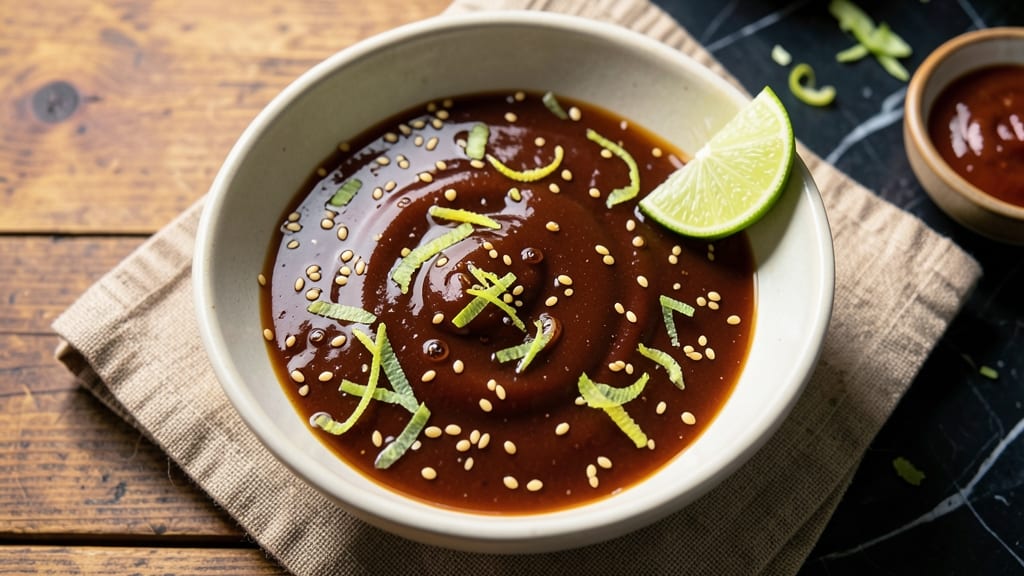
This ahi poke salad dressing recipe delivers the perfect balance of umami, brightness, and zing that transforms simple greens into a restaurant-worthy dish. The secret lies in the harmony of soy sauce, fresh ginger, and lime juice—each ingredient playing a crucial role in creating a dressing that's tangy, aromatic, and just sweet enough to complement raw fish. I've perfected this recipe over years of testing, ensuring it enhances rather than overpowers the delicate flavors of ahi tuna.
The beauty of this dressing is its simplicity: just five core ingredients combine to create a sauce that's vibrant, versatile, and ready in minutes. Sesame oil adds depth, while a touch of honey or agave balances the acidity, creating a smooth, cohesive flavor profile.
The optional garnishes—sesame seeds and green onions—add texture and freshness, elevating the dressing from basic to extraordinary. It's the kind of condiment that turns a simple salad into a standout centerpiece.
What sets this recipe apart is its ability to stay fresh and flavorful for up to a week in the refrigerator, making it ideal for meal prep or entertaining.
The dressing's bright, citrusy notes cut through the richness of ahi tuna, while the ginger adds a subtle warmth that lingers on the palate. Whether you're serving it over greens, drizzling it over sashimi, or using it as a marinade, this dressing is a game-changer for any seafood lover.
For best results, whisk the ingredients together just before serving to maintain the dressing's vibrant texture and flavor. Store it in an airtight container, and you'll have a ready-to-use condiment that brings a taste of Hawaii to your table with every bite. Here's how to make it—simple, professional, and foolproof.
Ingredients for ahi poke salad dressing
Five core ingredients craft the perfect soy-ginger lime dressing for vibrant ahi poke.
| Ingredient | Amount | Notes |
|---|---|---|
| Soy Sauce 🍶 | ½ cup | High-quality, preferably Japanese |
| Fresh Ginger 🧄 | 2 tbsp | Finely grated, vibrant color |
| Lime Juice 🍋 | ¼ cup | Freshly squeezed, no pulp |
| Sesame Oil 🫒 | 1 tbsp | Toasted, for depth of flavor |
| Honey or Agave Nectar 🍯 | 1 tbsp | For subtle sweetness balance |
| Sesame Seeds 🌾 | 1 tsp | Toasted, for garnish |
| Green Onions 🧅 | 2 whole | Thinly sliced, for garnish |
| Sesame Seeds (extra for garnish) 🌾 | 1 tsp | Toasted, optional garnish |
The soy sauce is the foundation—Japanese brands like Kikkoman or Hondashi deliver the cleanest umami flavor. Fresh ginger matters here; organic ginger from the produce section has more punch than pre-grated. Lime juice should be freshly squeezed—Mexican limes have more acidity than Persian, making them ideal. Sesame oil adds depth, but toasted sesame oil (not the light kind) gives that nutty aroma. For sweetness, local honey adds floral notes, while agave offers a neutral balance. Buy sesame seeds in bulk—they stay fresh longer and taste fresher.
No Japanese soy sauce? Tamari or coconut aminos work in a pinch, though the flavor will be slightly milder. Pre-grated ginger? Freshly grate your own—it makes a world of difference. Substitute lime juice with lemon juice plus a pinch of sugar if needed, but you’ll lose some of that bright citrus zing. The sesame oil can be swapped for avocado oil>, but you’ll miss the toasty depth. For the sweetener, maple syrup or date syrup are great alternatives. Garnishes are optional, but toasted sesame seeds and green onions add texture and freshness that elevate the dish.
Store the dressing in an airtight container in the fridge for up to 7 days, though it’s best used within 3-4 days for peak freshness. The sesame seeds and green onions should be added just before serving to keep them crisp. If you make extra, freeze it in ice cube trays—perfect for quick drizzles later. The dressing thickens slightly when chilled, so give it a quick whisk before using. For best results, whisk all ingredients together just before serving to maintain vibrant texture and flavor.
Why You'll Love This Recipe
- Five-Ingredient Magic: This dressing comes together with just a whisk and a few minutes—no fancy techniques, no measuring cups to stress over. Honestly, I’ve made it wrong three times (too much honey, once), but it still tasted good. That’s the kind of forgiving simplicity I love.
- Umami-Packed Punch: The soy sauce and sesame oil give it this deep, savory richness, while the lime and ginger cut right through it—bright, zesty, but never overpowering. Between us, this is the kind of dressing that makes you want to eat the bowl it came in.
- Meal Prep MVP: I keep a jar of this in my fridge for weeks—drizzle it on greens, toss it with grilled fish, or even stir it into noodles. It’s my go-to for lazy weeknights when I need flavor fast. (Yes, even on a Tuesday night when takeout sounds better than cooking.)
- Budget-Friendly Boost: Fresh ginger and lime might sound fancy, but they stretch so far in this recipe—no wasted ingredients, just pure flavor bang for your buck. Plus, a little goes a long way, so you’re not scrambling to buy more every time you crave it.
Step-by-step instructions for soy-ginger lime dressing
This vibrant dressing delivers the perfect balance of umami, brightness, and aromatic depth for ahi poke.
Prepare the Fresh Ginger and Green Onions
Using a fine grater or microplane, grate the 2 tablespoons of fresh ginger until you have about 1 tablespoon of finely grated ginger. The color should be bright yellow-green, indicating freshness. Set aside in a small bowl.
Next, thinly slice the 2 whole green onions on a diagonal into ¼-inch pieces. Keep the white and green parts separate if you prefer a milder flavor—reserve the greener tops for garnish later. The sharp, crisp bite of green onions will cut through the richness of the dressing.
Whisk Together the Wet Ingredients
In a medium bowl, combine the ½ cup soy sauce with the ¼ cup lime juice. The mixture should immediately begin to mellow slightly as the acidity of the lime interacts with the soy. Add the 1 tablespoon of grated ginger and whisk vigorously to incorporate.
This is where the foundation of your dressing takes shape. The soy sauce provides the umami base, while the lime juice adds brightness and prevents the dressing from becoming too heavy. If you're using agave nectar, add it now along with the 1 tablespoon sesame oil, whisking until fully emulsified.
Emulsify and Adjust the Balance
Gradually drizzle in the 1 tablespoon honey or agave nectar while whisking continuously. This step is crucial for achieving the perfect balance of sweet and savory. Taste the mixture—it should be tangy, slightly sweet, and deeply umami with a hint of ginger's sharpness.
If the dressing tastes too sharp, add a pinch more honey or agave nectar. If it needs more depth, add another ½ teaspoon soy sauce. The goal is a dressing that's complex yet harmonious, ready to elevate your ahi poke with every drizzle.
Finish and Garnish
Sprinkle in the 1 teaspoon sesame seeds and gently fold them into the dressing using a fork. The toasted sesame seeds will add a nutty crunch and visual contrast. Let the dressing sit for 5 minutes to allow the flavors to meld completely.
Before serving, divide the dressing among small bowls and garnish each with a sprinkle of the reserved 1 teaspoon sesame seeds (extra for garnish) and the sliced green onions. This not only enhances presentation but also ensures each serving has the perfect balance of textures and flavors.
Pro Tips For Making Ahi Poke Salad Dressing
- GRATE THE GINGER FINE: I learned this the hard way—chunky ginger in your dressing tastes like you rushed. Use a microplane or the smallest holes on a box grater, then let it sit for 5 minutes before mixing. That extra surface area makes the flavor bloom way better, and you won’t taste the texture.
- SWEAT THE GINGER FIRST: Skip the raw ginger punch by lightly toasting it in a dry pan for 30 seconds until fragrant. This mellows its bite and deepens the aroma—no burning, just enough to wake it up. Trust me, your dressing won’t taste like medicine afterward.
- MEASURE THE SESAME OIL LAST: Add sesame oil after everything else is mixed, then toss gently. Dumping it in early makes the dressing taste bitter. A teaspoon is enough—this stuff’s potent, and you don’t want to overpower the lime and soy.
- USE AGED SOY SAUCE: If you grab the cheapest soy sauce, your dressing will taste flat. Opt for a slightly aged or darker soy (like Japanese tamari or even a splash of coconut aminos for depth). The umami complexity makes all the difference—no one will guess it’s homemade.
Pro cooking tips for ahi poke salad dressing
Whisking Like a Pro
For a silky-smooth dressing, use a whisk or immersion blender instead of a fork. I prefer a stainless steel whisk because it creates more air and emulsifies the ingredients better. Whisk in a figure-eight motion for 30 seconds after adding each ingredient to ensure everything is fully incorporated.
If you're using an immersion blender, pulse for 10-15 seconds on low to avoid over-emulsifying. 💫
Ginger Grating Tips
Fresh ginger makes all the difference—never use pre-grated ginger from the jar, as it loses potency quickly. Use a fine grater or microplane and grate directly into your bowl to avoid waste.
For extra brightness, zest the ginger with a microplane before grating to release more oils. If your ginger is fibrous, strain it through a fine-mesh sieve to remove any stringy bits. 🧄
Balancing Flavors
Taste as you go! Start with the basic ratio, then adjust to your preference. If the dressing tastes too sharp, add ½ teaspoon honey or agave at a time. Too salty? Dilute with 1 teaspoon lime juice or water.
Need more depth? Add ¼ teaspoon toasted sesame oil. The key is to find harmony—this dressing should complement, not overpower, your ahi poke. ✨
Storage Secrets
Store your dressing in an airtight glass container in the fridge for up to 7 days. The flavors actually improve slightly over time, but the texture may thicken. Give it a quick whisk before using.
For longer storage, freeze in ice cube trays—just thaw and whisk to restore consistency. Avoid storing with the sesame seeds or green onions, as they’ll get soggy. 🥫
Temperature Matters
Serve your dressing at room temperature for the best flavor experience. If straight from the fridge, let it sit for 10 minutes> before drizzling. Cold dressing can mute the flavors of your ahi poke, while room-temperature dressing enhances the natural oils and textures.
Pro tip: Warm the dressing slightly by placing the bowl in a bowl of warm water for 1-2 minutes> if you prefer it even smoother. 🌡️
Garnish Like a Chef
Toast your sesame seeds in a dry skillet over medium heat for 1-2 minutes> until golden and fragrant. This adds an extra layer of nuttiness. For green onions, slice them on a diagonal for a more elegant presentation.
Garnish just before serving to keep everything crisp. A sprinkle of flaky sea salt or a pinch of red pepper flakes** can also elevate the dish if you want extra depth. 🌿
Nutrition facts
Frequently asked questions
Can I make this dressing without sesame oil?
Yes, but you'll lose some depth. Substitute with 1 tablespoon avocado oil or toasted walnut oil for a similar nutty flavor. If using neutral oil like olive, add ¼ teaspoon ground toasted sesame seeds to compensate for the missing aroma. The dressing will still work, but the authentic umami-sesame balance will be slightly different.
How much dressing should I make for a standard ahi poke salad?
This recipe yields about 1 cup of dressing, which is perfect for serving 4-6 people as a drizzle over ahi poke salad. For individual servings, use 2-3 tablespoons per person. If making a larger batch, double the ingredients but store in smaller portions to maintain freshness.
What if my dressing separates after refrigeration?
This happens when the emulsion breaks, but it's easily fixed! Simply whisk the dressing vigorously for 30-60 seconds until smooth. If it still separates, add 1 teaspoon of lime juice or honey and whisk again. For future batches, whisk ingredients more thoroughly or use an immersion blender. The separated dressing is still safe to eat—just give it a good stir before using.
Can I use this dressing on other seafood besides ahi?
This versatile dressing works beautifully with salmon, shrimp, or even grilled octopus. The soy-ginger-lime combo complements the natural sweetness of these seafoods. For stronger flavors like tuna or swordfish, you might want to reduce the lime juice slightly (2 tablespoons instead of ¼ cup) to avoid overpowering the dish.
Why does my dressing taste too strong after a few days?
The ginger and lime juice intensify over time, which is normal! For a milder flavor, add 1 teaspoon honey or agave and 1 tablespoon water before using. If the dressing smells off (like vinegar or rotten), it's time to toss it. Freshly made dressing tastes best within 3-4 days, though it stays safe for up to 7 days when refrigerated properly.