
Salads
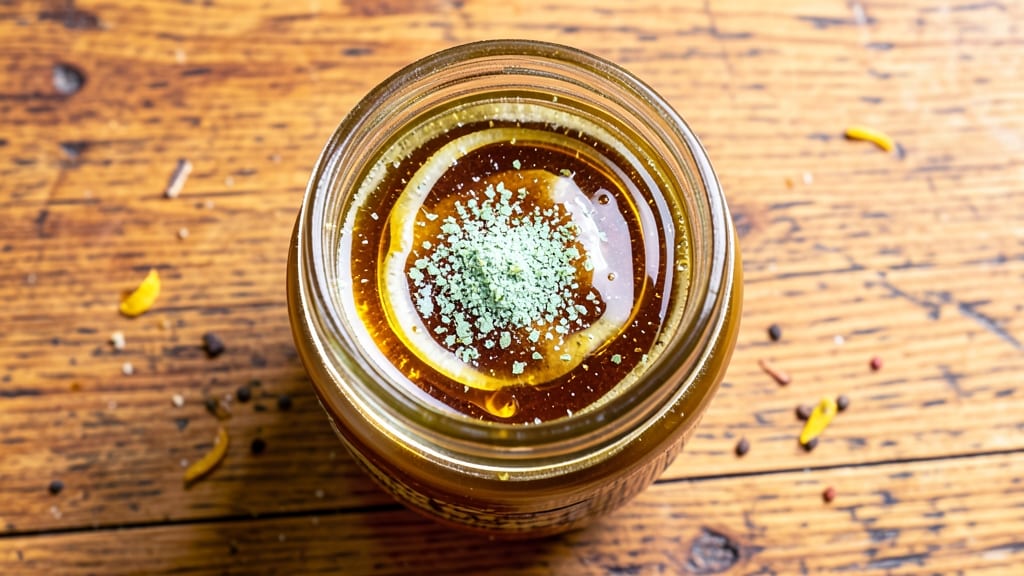
This alkaline salad dressing recipe transforms your greens into a gut-friendly powerhouse—no artificial additives, just plant-based ingredients that gently balance your body's pH. 💚 The secret lies in mineral-rich alkalizers like kelp powder and apple cider vinegar, which create a tangy, creamy dressing that enhances digestion while adding vibrant flavor to every bite.
What sets this dressing apart is its pH-balancing formula—olive oil for healthy fats, lemon juice for brightness, and a touch of baking soda to gently alkalize without overpowering the taste. The ingredients are simple yet potent, combining to create a dressing that's as nourishing as it is delicious.
By the time you whisk everything together, you'll have a silky, nutrient-packed dressing that clings beautifully to salads, grains, or roasted vegetables. The result? A tangy, creamy sauce that supports digestion while adding a fresh, zesty kick to your meals.
Store it in the fridge for up to a week, and watch how this simple recipe elevates even the simplest greens into a health-boosting experience. Let's get started!
Ingredients for alkaline salad dressing
Nine simple ingredients create a dressing that's both vibrant and gut-friendly.
| Ingredient | Amount | Notes |
|---|---|---|
| Extra-Virgin Olive Oil 🫒 | ½ cup | Cold-pressed, high-quality preferred |
| Raw Apple Cider Vinegar 🍏 | ¼ cup | Unfiltered, organic preferred |
| Fresh Lemon Juice 🍋 | ¼ cup | Freshly squeezed, no pulp |
| Kelp Powder 🌿 | 1 tbsp | Organic, mineral-rich preferred |
| Pure Maple Syrup 🍁 | 1 tbsp | Grade B for depth of flavor |
| Baking Soda 🧂 | ¼ tsp | Alkalizing agent, food-grade |
| Ground Flaxseeds 🌾 | 1 tbsp | For natural thickening |
| Sea Salt 🧂 | ½ tsp | Unrefined, mineral-rich |
| Fresh Garlic Cloves 🧄 | 2 cloves | Minced for subtle alkalizing |
| Fresh Parsley Leaves 🌿 | ¼ cup | Chopped, for freshness |
The olive oil and kelp powder are your mineral powerhouses—look for cold-pressed olive oil at Whole Foods or Trader Joe's for optimal quality. Kelp powder should be organic and labeled mineral-rich; NOW Foods brand is a reliable choice. Fresh lemon juice is non-negotiable—bottled juice lacks the zesty alkalizing punch. If you can't find raw apple cider vinegar, Bragg is a solid organic option. The baking soda is key for pH balance, but use it sparingly—too much makes the dressing bitter.
No kelp powder? Spirulina powder at half the amount works in a pinch, though the flavor will differ slightly. Substitute maple syrup with agave nectar if needed, but maple adds depth. Fresh garlic can be swapped for garlic powder at one-third the amount. For extra creaminess without flaxseeds, blend 1 tbsp soaked cashews with the dressing. If you're sensitive to baking soda, reduce to 1/4 tsp and add a pinch more kelp powder for alkalinity. Always taste before serving—adjust lemon or vinegar to preference.
This dressing keeps beautifully in an airtight jar for up to 1 week in the fridge. The flaxseeds help it thicken naturally, but give it a quick shake before each use. For longer storage, freeze in ice cube trays—thaw and whisk as needed. The parsley wilts fast, so add it fresh just before serving. Portion into small containers for salads, grain bowls, or roasted veggies—it's perfect for meal prep. If the dressing separates, simply whisk vigorously to recombine.
Why You'll Love This Recipe
- Just 5 Ingredients: I keep this on my counter because it’s that simple—no fancy techniques, no measuring cups that disappear mid-recipe. A whisk, a jar, and 2 minutes is all it takes. The kelp powder does the heavy lifting for that mineral-rich kick, while the maple syrup balances the tang without overpowering.
- Tangy-Sweet Magic: Honestly, the combo of raw apple cider vinegar and lemon juice hits different. It’s bright, yes, but the maple syrup softens it into something almost dessert-like—think drizzled over greens or a hearty grain bowl. The olive oil ties it all together without drowning the flavors.
- Meal Prep MVP: This dressing lasts forever in the fridge, and I mean forever. I’ve had it cling to kale salads for five days straight, no separation, no weird aftertaste. It’s my go-to for batch cooking—just shake before using—and it’s the only dressing I don’t stress about spoiling.
- Budget Brightener: Between us, kelp powder and maple syrup stretch my grocery budget further than store-bought dressings. A little goes a long way, and I’m not sacrificing quality—just look at how this elevates a simple lunch. Plus, olive oil and vinegar are pantry staples I already own. Win.
Step-by-step instructions for alkaline salad dressing
Here's how to blend these ingredients into a vibrant, gut-friendly dressing that's perfect for any green bowl.
👨🍳 Step 1: Whisk Together the Liquid Base
In a medium bowl, combine the 0.5 cup extra-virgin olive oil, 0.25 cup raw apple cider vinegar, and 0.25 cup fresh lemon juice. I like to use a fork first to break up the oil, then switch to a whisk for about 30 seconds until everything is thoroughly emulsified. The vinegar and lemon juice will create tiny bubbles that help suspend the oil later.
This is the foundation of your dressing, and getting it smooth now prevents separation later. I know it seems like too much oil, but trust me—this ratio creates that perfect balance of richness and tang. If you have any pulp from the lemon juice, strain it out now for a completely smooth texture.
🥘 Step 2: Add Alkalizing Agents and Sweetener
Next, sprinkle in the 1 tbsp kelp powder, 1 tbsp pure maple syrup, 0.25 tsp baking soda, and 0.5 tsp sea salt. The baking soda is key here—it's what makes this dressing alkaline, helping balance the acidity of the vinegar and lemon. Whisk vigorously for another 30 seconds until the baking soda dissolves completely and the mixture becomes slightly thickened.
Here's the thing—baking soda can have a strong flavor if not fully incorporated. You'll notice the mixture will fizz slightly as it reacts with the acidic ingredients. This is normal and actually helps create that signature alkaline kick. If you see any undissolved baking soda at the bottom, whisk a little more water (just 1 teaspoon) to help it integrate.
🍳 Step 3: Incorporate the Thickening and Flavor Boosters
Add the 1 tbsp ground flaxseeds, 2 minced fresh garlic cloves, and 0.25 cup chopped fresh parsley leaves to the bowl. Give everything another good whisk for 20-30 seconds until the flaxseeds are evenly distributed. The flaxseeds will create a natural thickening effect without making the dressing too heavy.
I press down gently on the flaxseeds with the back of my spoon during whisking—this prevents them from clumping together. The garlic and parsley add layers of flavor that complement the alkaline profile beautifully. If you're worried about the garlic being too strong, don't be—it'll mellow out once everything's combined.
⏰ Step 4: Let It Rest and Adjust Consistency
Cover the bowl and let the dressing rest at room temperature for 10 minutes. This resting period allows all the ingredients to fully meld together and for the flaxseeds to develop their thickening properties. After resting, give it one final whisk to ensure everything is perfectly combined.
If the dressing is too thick for your liking (especially if you're using it for a lighter salad), thin it out with 1-2 teaspoons of water at a time until you reach your desired consistency. For extra richness, you can add a splash more of the extra-virgin olive oil. The dressing should coat the back of a spoon but still pour smoothly—this is the perfect balance for dressing greens without making them soggy.
Pro Tips For Making Alkaline Salad Dressing
- Whisk in Stages: Start by mixing the wet ingredients—olive oil, vinegar, and lemon juice—first, then slowly add the kelp powder while whisking constantly. This prevents clumping and ensures the kelp dissolves evenly into the dressing. (Yes, even if you’re tempted to dump everything in at once.)
- Use Cold Vinegar: Chill the apple cider vinegar in the fridge for 10 minutes before measuring. Cold vinegar emulsifies better with the oil, cutting down on separation later. I learned this the hard way after a dressing split halfway through the week.
- Balance the Kelp: Taste after adding the kelp powder, then adjust the maple syrup gradually—a pinch at a time. Too much syrup overpowers the tangy brightness; too little leaves it flat. (And no, the recipe’s ratio isn’t always perfect for your palate.)
- Store with a Lid: Seal the dressing tightly and press a small piece of parchment paper directly on the oil’s surface before closing the jar. This blocks air exposure, keeping the oil from oxidizing and turning rancid faster. (Trust me, you’ll notice the difference in a few days.)
Creative variations of this alkaline salad dressing
Tropical Alkaline Twist
Swap the lemon juice for ½ cup fresh lime juice and add 1 tbsp grated ginger for a zesty, tropical alkaline dressing. Use coconut aminos instead of apple cider vinegar to enhance umami while keeping it plant-based.
This version pairs perfectly with mango and avocado salads or grilled chicken bowls. 🌴
Herb-Infused Variety
Boost the flavor profile by adding 2 tbsp fresh basil leaves and 1 tbsp fresh dill along with the parsley. For extra alkalinity, include ½ tsp spirulina powder instead of kelp.
This herb-forward dressing works wonderfully with spinach, arugula, or roasted Brussels sprouts. The herbs add a fresh, bright note that complements the alkaline base beautifully.
Nutty Almond Version
Replace the flaxseeds with 2 tbsp almond butter for a richer, creamier texture. Use ½ cup almond milk instead of water to thin if needed, and add ½ tsp cinnamon for warmth.
This nutty dressing pairs exceptionally well with quinoa salads, roasted sweet potatoes, or grain bowls. The almond butter adds a satisfying depth while keeping the dressing vegan and alkaline-friendly.
Spicy Chili-Lime Dressing
Add 1 tsp chili powder and ½ tsp smoked paprika to the base before adding the baking soda. Use lime juice instead of lemon for a tangy kick. This spicy alkaline dressing is perfect for Southwestern-inspired salads, black bean bowls, or grilled shrimp.
The heat from the chili powder balances the alkalinity, creating a bold, flavorful dressing that stands out.
Creamy Tahini Dressing
Replace the olive oil with ¼ cup tahini and add 2 tbsp water to help emulsify. Use ½ tsp ground cumin and ½ tsp turmeric for earthy warmth.
This creamy, nutrient-packed dressing is ideal for Mediterranean salads, falafel, or roasted vegetables. The tahini adds a rich, nutty flavor while keeping the dressing vegan and alkaline-balanced.
Seasonal Citrus Dressing
In summer, use orange juice instead of lemon juice and add 1 tbsp fresh mint leaves. For winter, swap in grapefruit juice and ½ tsp cardamom. These citrus-based variations keep the alkaline benefits while offering seasonal flavor twists.
The grapefruit version adds a refreshing tang, while the orange-mint combo brings a bright, summery touch to any salad or grain bowl. 🍊
Nutrition facts
Frequently asked questions
How does baking soda make this dressing alkaline?
The 0.25 tsp baking soda reacts with the acidic ingredients (lemon juice and apple cider vinegar) to create a mild alkaline environment. This chemical reaction neutralizes some of the acidity while adding a subtle mineral tang. The kelp powder and flaxseeds further support this balance with their own mineral content.
Can I make this dressing without baking soda?
Yes! If you're sensitive to baking soda, reduce it to 1/4 tsp and increase the kelp powder to 1.5 tbsp for alkalinity. Alternatively, use 1/2 tsp spirulina powder—it provides minerals without the strong flavor. The dressing will still be tangy but less alkaline. For a completely baking-soda-free version, rely on the kelp and lemon's natural pH-balancing properties.
Why does my dressing separate after sitting?
Separation happens when oil and vinegar aren't fully emulsified. Whisk vigorously for 30-45 seconds before resting, and always store it in an airtight container. To fix separation, whisk in 1 tsp water or 1 tsp lemon juice to help re-emulsify. For extra insurance, blend the ingredients briefly with an immersion blender before storing. The flaxseeds help stabilize it over time, but shaking before use is key.
What's the best way to use this dressing beyond salads?
This versatile dressing works beautifully on roasted vegetables, grain bowls, wraps, or even as a marinade for tofu or grilled chicken. Drizzle it over zucchini noodles or use it as a dip for veggie sticks. The alkaline ingredients help tenderize proteins when used as a marinade—just let them sit for 15-20 minutes before cooking. For extra richness, add a splash of olive oil when using it as a dip.
How do I adjust the dressing for a lower-sugar option?
Skip the 1 tbsp maple syrup entirely or replace it with 1 tsp liquid stevia or 1 tbsp unsweetened applesauce for natural sweetness without sugar. If you prefer a more savory profile, increase the kelp powder to 1.5 tbsp and add 1/2 tsp nutritional yeast for an umami boost. The dressing will still taste balanced, just with a different flavor profile.