
Salads
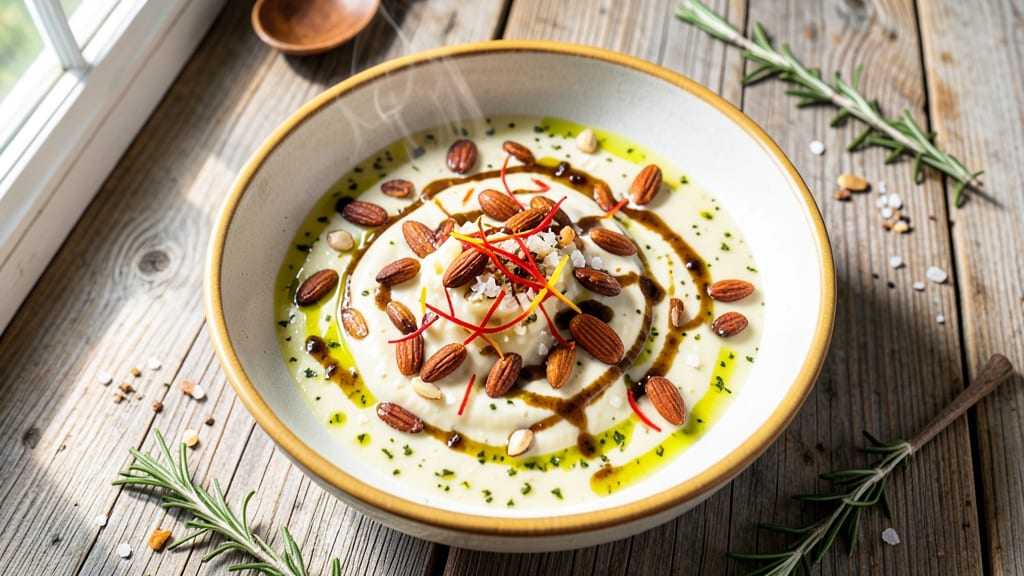
This almond salad dressing recipe transforms simple ingredients into a rich, creamy sauce that skips mayo entirely. The secret lies in blending toasted almonds with lemon juice and oil until perfectly emulsified, creating a velvety texture with nutty depth that elevates any salad.
What makes this recipe stand out is its versatility—it works as a tangy dressing for greens, a dipping sauce for crudités, or even a marinade for grilled vegetables. The result is a dressing that’s both elegant and approachable, perfect for those who want flavor without the heaviness.
The process is straightforward but requires attention to blending technique to achieve that signature smooth consistency. Toasted almonds add a subtle crunch and rich flavor, while lemon juice brightens the dressing and balances the fat from the oil.
A touch of Dijon mustard or garlic enhances complexity, ensuring every bite is packed with layers of taste. Unlike traditional mayo-based dressings, this one stays fresh in the fridge for up to a week, making it ideal for meal prep.
What you’ll end up with is a dressing that’s creamy yet light, nutty yet tangy, and effortlessly customizable. It’s the kind of recipe that proves you don’t need dairy or mayo to create something luxurious.
Whether you’re dressing a hearty grain bowl, drizzling over roasted vegetables, or using it as a dip, this almond dressing will become a staple in your kitchen. The best part? It’s foolproof once you master the emulsification step.
For those with dietary restrictions, this recipe can easily be adapted—swap almonds for sunflower seeds or tahini for a nut-free version, and adjust sweetness with honey or maple syrup.
The possibilities are endless, but the foundation remains the same: a simple, creamy, and deeply flavorful dressing that’s as nutritious as it is delicious. Let’s get blending!
Ingredients for almond salad dressing
Nine simple ingredients blend into a velvety almond dressing that rivals mayo-based versions.
| Ingredient | Amount | Notes |
|---|---|---|
| Raw Almonds 🥜 | 1 cup | Toasted until golden brown |
| Extra-Virgin Olive Oil 🫒 | ½ cup | High quality, fruity variety |
| Fresh Lemon Juice 🍋 | ¼ cup | Strained for smooth texture |
| Dijon Mustard 🌶️ | 1 tbsp | For tangy depth |
| Garlic Cloves 🧄 | 2 cloves | Peeled, minced for flavor |
| Salt 🧂 | ½ tsp | Fine sea salt preferred |
| Black Pepper 🌶️ | ¼ tsp | Freshly ground for warmth |
| Ice Water 💧 | ¼ cup | For emulsification |
| Maple Syrup 🍯 | 1 tsp | Optional for subtle sweetness |
The almonds are the foundation here—raw almonds from the bulk section yield the best flavor, but any store-bought bag works. Toast them in a dry pan over medium heat until golden and fragrant (about 5-7 minutes), then let cool before blending. Trader Joe's or Whole Foods carry high-quality extra-virgin olive oil, but any fruity variety will do. The Dijon mustard adds complexity, so don't skip it—Maille is a go-to brand, but generic store options work fine. Fresh garlic cloves make all the difference; pre-minced jars often contain additives that can alter flavor.
No almonds? Sunflower seeds or tahini work as nut-free alternatives, though texture will differ slightly. Short on lemon juice? Lime juice at a 1:1 ratio offers a similar tang. The ice water is critical for emulsification—don't substitute room-temperature water, or the dressing may break. For a sweeter version, agave or honey (if not vegan) can replace maple syrup. If the dressing separates, blend in another splash of ice water or a teaspoon of mustard to stabilize it.
This dressing keeps beautifully in an airtight jar in the fridge for up to 1 week. The almonds oxidize over time, so cover the surface with a thin layer of olive oil to preserve freshness. For meal prep, portion into small containers—it's perfect for drizzling over salads, dipping veggies, or marinating grilled vegetables. Freezing isn't recommended, as texture degrades, but it reheats beautifully if stored properly.
Why You'll Love This Recipe
- Five-Ingredient Magic: I swear by this combo—just toast the almonds until they’re golden, then blend with olive oil, lemon, mustard, and garlic. No fancy gadgets, no stress, just done.
- Nutty Crunch Surprise: That first bite of toasted almonds in every spoonful? It’s like a little flavor bomb—creamy from the olive oil, bright from the lemon, and pop of texture. Honestly, I’ve ruined salads before, but this one always wins.
- Picnic to Potluck: Toss it on greens for a quick lunch, drizzle over roasted veggies for dinner, or bring it in a jar for a gathering. It’s my go-to for anything that needs a little wow—no last-minute shopping, just grab-and-go.
- Leftovers That Last: Make a big batch—it keeps for days in the fridge, and the flavor only gets better. I’ve had it on Tuesday’s salad and Friday’s grain bowl, and it’s still fresh. (Yes, even on a Tuesday night.)
Step-by-step instructions for almond salad dressing
Transform simple pantry staples into a velvety almond dressing with rich texture and bright flavor.
Toast the Almonds Until Golden
Preheat your oven to 350°F and spread the 1 cup raw almonds in a single layer on a baking sheet. Toast for 8-10 minutes until they're fragrant and turn a light golden color. Watch closely—they'll darken quickly once they start browning.
Remove from the oven and let cool for 5 minutes. This toasting step is crucial—it removes bitterness and develops nutty depth. While cooling, I like to give the almonds a rough chop with a knife or pulse briefly in a food processor. You want them small enough to blend smoothly but not so fine they turn into almond butter.
Blend Almonds with Dry Ingredients
Transfer the toasted almonds to a high-speed blender along with the 2 cloves minced garlic, 0.5 tsp salt, and 0.25 tsp black pepper. Blend on high for 30 seconds until the almonds break down into a fine powder. The mixture should resemble coarse sand with no whole almond pieces remaining.
Here's the thing—don't skip this step. The fine texture is what creates that signature creamy consistency without mayo. If your blender struggles, work in batches, but make sure all almonds are completely pulverized before moving forward.
Add Wet Ingredients Gradually
With the blender running on low speed, slowly pour in the 0.5 cup extra-virgin olive oil through the feed tube. This gradual approach prevents oil splatter and helps create a smooth emulsion. After the oil is fully incorporated, add the 0.25 cup fresh lemon juice and 1 tbsp Dijon mustard.
Blend for another 1-2 minutes until completely smooth. You'll notice the mixture thickens as the almonds absorb the liquids. If it looks too thick, that's normal—we'll fix that in the next step. The key here is patience; rushing causes lumps that never disappear.
Emulsify with Ice Water
Add the 0.25 cup ice water and 1 tsp maple syrup (if using) to the blender. Blend on high for 30-60 seconds until completely smooth and creamy. The ice water is what transforms the mixture from a paste into a proper dressing—it's the emulsifier that binds everything together.
Taste and adjust seasoning if needed. I usually add a pinch more salt or lemon juice at this stage to balance the flavors. The dressing should be tangy, nutty, and slightly sweet with a smooth, almost yogurt-like consistency. If it's too thick, add 1-2 teaspoons of water at a time until it reaches pouring consistency.
Chill and Serve
Transfer the dressing to a clean jar and refrigerate for at least 30 minutes before using. This chilling time allows all the flavors to meld together and the texture to thicken slightly. The dressing will keep in the refrigerator for up to 1 week, making it perfect for meal prep.
Before serving, give the jar a good shake—sometimes the oils separate during storage. This dressing works beautifully on mixed greens, grain bowls, or as a dip for crudités. The nutty richness pairs especially well with bitter greens like arugula or endive, where it adds a luxurious creaminess without the heaviness of traditional dressings.
Pro Tips For Making Almond Salad Dressing
- Toast the Almonds: Skip the raw almonds—toss them in a dry skillet over medium heat for 3-4 minutes until they’re golden and fragrant. That nutty depth makes the dressing sing, and it only takes a minute. (Yes, even if you’re impatient like me.)
- Toast the Garlic: Mince the garlic first, then lightly toast it in olive oil for 30 seconds until it smells sweet and aromatic. Raw garlic can taste sharp and overpower the dressing, but toasted garlic adds warmth and complexity. (Your future salads will thank you.)
- Measure Lemon Juice: Use a tablespoon to press the juice from the lemon—don’t eyeball it. Too much makes the dressing bitter, and too little leaves it flat. A standard lemon yields about 2 tablespoons, so don’t squeeze until the rind is exposed.
- Emulsify Slowly: Start with just 1 tablespoon of olive oil, whisking vigorously before adding more. Rushing the process leads to separation, and nobody wants a dressing that splits halfway through the salad. Take your time—it’s worth it.
Storing and reheating this recipe
Fridge Storage Tips
Store your almond dressing in an airtight glass jar with a tight-sealing lid—I prefer Le Parfait glass containers for their airtight seal. Keep it refrigerated at 40°F or below for up to 1 week.
The toasted almonds oxidize over time, so always cover the surface with a thin layer of extra-virgin olive oil before sealing to preserve freshness and prevent browning.
For meal prep, divide the dressing into smaller portions (about ½ cup each) to minimize air exposure. This keeps it fresh longer and makes it easier to grab for quick salads.
I like to label my jars with the date to track freshness—trust me, you'll forget how long it's been sitting there! 🥫
Freezing Considerations
While this dressing isn't ideal for freezing, you can store it in the freezer for up to 1 month if needed. Use silicone ice cube trays for individual portions—simply freeze, then transfer cubes to a freezer bag.
Thaw in the fridge overnight before using, and give it a good stir as the texture may separate slightly.
For best results, avoid freezing if possible. The almonds lose their creamy texture and can become grainy upon thawing. If you must freeze, add 1 extra teaspoon of ice water when thawing to help restore consistency.
Reheating Methods
There's no need to reheat this dressing—it's best served cold straight from the fridge! However, if you accidentally leave it out overnight, you can safely consume it within 2 hours at room temperature. For extra safety, give it a 30-second microwave zap at 50% power to restore freshness before using.
If the dressing separates after refrigeration, simply shake or blend for 10-15 seconds until smooth again. The emulsification process is stable, but temperature changes can cause temporary separation. A splash of ice water (about 1 teaspoon) can help restore the creamy texture if needed.
Long-Term Preservation
For extended storage beyond 1 week, consider canning in a water bath for up to 6 months. Use a pint-sized mason jar and process for 15 minutes after sealing.
The high acidity from lemon juice makes this dressing safe for canning, but always check for proper seal integrity before storing.
If you're not canning, the dressing can be preserved in the fridge for up to 2 weeks if you maintain the oil layer on top.
For a longer shelf life, reduce the amount of ice water in the recipe by 2 tablespoons—this creates a thicker dressing that lasts even longer without separating.
Nutrition facts
Frequently asked questions about almond salad dressing
Can I make this dressing without a high-speed blender?
Yes, but you'll need to work differently. Use a regular blender or even a food processor, but pulse the toasted almonds into a very fine powder first. Then whisk the wet ingredients into the almond powder gradually, adding ice water 1 teaspoon at a time while whisking vigorously. The texture won't be as silky smooth, but you'll still get a creamy dressing with nutty flavor. For best results, let it sit for 10 minutes before tasting to allow full emulsification.
What's the secret to getting it perfectly creamy?
The key is proper emulsification using ice water. The cold water helps break down the almond oils and create a stable emulsion. Always blend on high speed for at least 30 seconds after adding the ice water. If it still looks thick, add another ½ teaspoon of ice water at a time until it reaches a smooth, pourable consistency. Patience is crucial—rushing this step often leads to separation later.
Can I substitute almond butter instead of whole almonds?
You can try, but the texture will be different. Use ¼ cup almond butter instead of whole almonds, and reduce the olive oil to ¼ cup. The dressing will be richer but may be slightly thicker. For better results, blend the almond butter with the ice water first to create a smooth base before adding other ingredients. The flavor will be more intense, but you'll lose that subtle toasted almond crunch that whole almonds provide.
Why did my dressing separate after refrigerating?
This happens when the emulsion breaks, usually from temperature changes or insufficient blending. Simply shake or blend the dressing for 10-15 seconds until smooth again. For prevention, always store it in an airtight container and avoid temperature fluctuations. If it continues separating, try adding ½ teaspoon of Dijon mustard or another ½ teaspoon of ice water to help stabilize the emulsion.
How can I make this dressing vegan?
This recipe is already vegan! Simply ensure your maple syrup is certified vegan (some contain bone char). For extra richness, replace the almonds with ¼ cup tahini or ½ cup sunflower seeds, adjusting the ice water as needed. The sunflower seed version will have a slightly different texture but maintains the same creamy consistency when properly blended. All other ingredients are naturally vegan-friendly.