
Salads
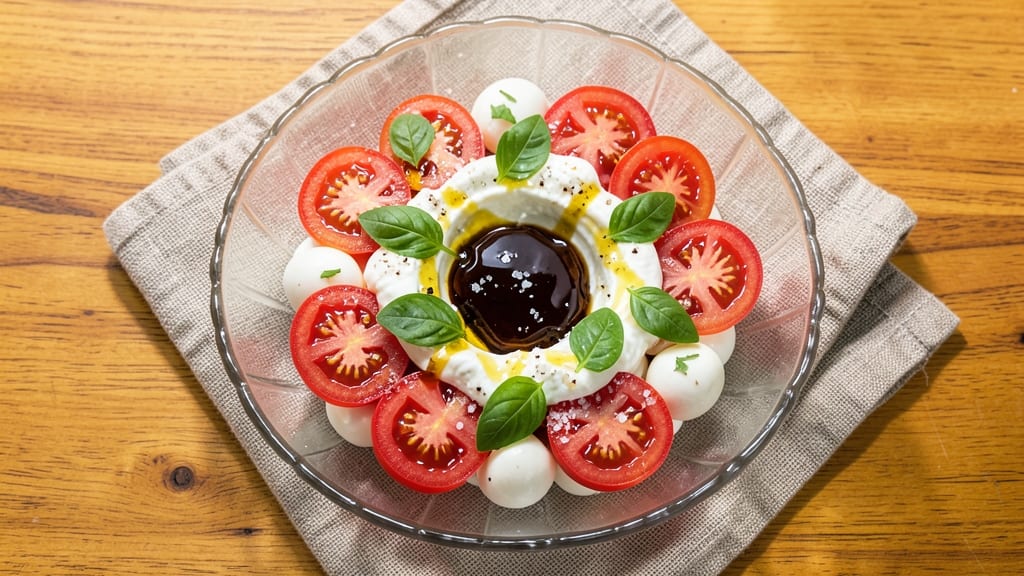
This Caprese salad balsamic dressing recipe transforms simple ingredients into a boldly balanced sweet-tart drizzle that elevates classic Caprese salads.
The secret lies in the perfect ratio of aged balsamic vinegar to extra-virgin olive oil, with just enough honey and Dijon mustard to create depth without overpowering the fresh mozzarella and tomatoes.
I developed this dressing after years of testing—it’s the one that finally delivers that restaurant-quality finish without requiring hours of reduction.
The magic happens in the balance: aged balsamic vinegar provides the signature tang, while high-quality olive oil smooths the edges. A touch of honey rounds out the sharpness, and Dijon mustard adds a subtle umami kick that ties everything together.
This version requires no special equipment—just a whisk and a few minutes of patience to let the flavors meld. For extra freshness, I recommend finishing with a sprinkle of fresh basil just before serving.
What you’ll end up with is a glossy, velvety dressing that clings beautifully to mozzarella, tomatoes, and basil leaves, enhancing their natural sweetness without masking their flavors. The dressing keeps well in the refrigerator for up to 2 weeks, making it perfect for meal prep or gifting.
It’s also incredibly versatile—drizzle it over grilled vegetables, use it as a marinade, or even toss it with pasta for a quick, elegant meal.
For best results, let the dressing sit for at least 30 minutes before using—this allows the flavors to fully develop and creates that signature glossy sheen. If you prefer a thicker consistency, simply whisk in a teaspoon of reduced balsamic glaze for extra richness.
This dressing is the finishing touch that turns a simple Caprese salad into a showstopper.
Ingredients for caprese salad balsamic dressing
Eight ingredients, one perfect balance—this dressing transforms simple Caprese salads into restaurant-worthy masterpieces.
| Ingredient | Amount | Notes |
|---|---|---|
| Aged Balsamic Vinegar 🍷 | ½ cup | High-quality, 10+ year aged |
| Extra-Virgin Olive Oil 🫒 | ½ cup | Fruity, peppery variety |
| Raw Honey 🍯 | 2 tbsp | Light floral preferred |
| Dijon Mustard 🌿 | 1 tbsp | Whole grain preferred |
| Fresh Basil Leaves 🌿 | ¼ cup | Packed, stems removed |
| Garlic Cloves 🧄 | 1 clove | Minced, fresh preferred |
| Red Wine Vinegar 🍷 | 1 tbsp | For acidity balance |
| Diamond Crystal Kosher Salt 🧂 | ½ tsp | Fine grain preferred |
The aged balsamic vinegar is non-negotiable—look for 10+ year aged at specialty stores like Whole Foods or Trader Joe's. Their deep, caramel-like notes are what give this dressing that signature complexity. For olive oil, California extra-virgin brands like Corto or Otto have that perfect fruity pepper kick. Honey should be light floral—Manuka or clover work beautifully. Fresh basil is a must for that signature aroma, but if you're using dried, reduce to one-third the amount and add it at the end.
No aged balsamic? Regular balsamic vinegar plus 1 tsp balsamic glaze mimics the depth. Dijon mustard can be swapped for whole-grain mustard, but skip the powdered stuff—it lacks the texture. For a tangier profile, increase the red wine vinegar by 1 tsp. Garlic can be omitted entirely if you prefer a milder flavor, but trust me, that one minced clove adds an incredible depth. If you're making this ahead, store the vinegar and oil separately until ready to whisk—this prevents the dressing from turning cloudy.
This dressing keeps beautifully for 2 weeks in an airtight jar in the fridge. For extra gloss, whisk in 1 tsp of reduced balsamic glaze just before serving—it adds that signature restaurant shine. Portion into small jars for giftable servings. The flavors actually improve after 30 minutes of resting, so plan ahead if you're serving immediately. If it thickens too much, simply whisk in 1 tsp of water to loosen.
Why You'll Love This Recipe
- Five-Ingredient Magic: I swear by this dressing because it’s that simple—just whisk together aged balsamic, olive oil, honey, mustard, and basil. No peeling, no chopping, no stress. The mustard gives it a little tang, and the honey cuts through the richness like a dream.
- Sweet-Tart Balance: Honestly, the aged balsamic and raw honey combo is ridiculously good—deep, caramelized notes with a bright finish. That Dijon mustard sneaks in and ties everything together so it’s never cloying, just perfect for drizzling over fresh mozzarella or grilled chicken.
- Weeknight to Party: This dressing works for everything—toss it with greens for a quick lunch, drizzle it over bruschetta for a dinner party, or even use it as a marinade. I’ve even poured it into jars to take to potlucks, and no one ever guesses how easy it was.
- Make-Ahead Secret Weapon: Between us, I double the batch and keep it in the fridge for up to a week. The flavors get better with time, and it’s cheaper than buying fancy bottled dressings. Plus, no last-minute shopping—just grab and go.
Step-by-step instructions for Caprese salad balsamic dressing
This dressing transforms simple Caprese into a symphony of textures and flavors—rich, tangy, and perfectly balanced.
Warm the Balsamic and Honey
In a small saucepan, combine the 0.5 cup aged balsamic vinegar and 2 tbsp raw honey. Heat over medium-low heat until the mixture reaches 160°F—just before it begins to simmer. You'll see the honey dissolve completely and the balsamic deepen in color to a rich amber. This warming process caramelizes the sugars slightly, intensifying the sweet-tart balance that makes this dressing special.
Remove from heat immediately once it reaches temperature—you don't want it to boil, or the vinegar's acidity will become overly sharp. Let it cool for 5 minutes while you prepare the remaining ingredients. The warm balsamic will mellow out as it cools, creating that perfect equilibrium with the olive oil later.
Create the Emulsifying Base
In a blender or food processor, combine the 0.5 cup extra-virgin olive oil, 1 tbsp Dijon mustard, 1 clove minced garlic, and 0.5 tsp diamond crystal kosher salt. Blend until completely smooth and emulsified—this step is crucial for creating a dressing that clings beautifully to your Caprese salad. The Dijon mustard acts as our natural emulsifier, preventing the oil and vinegar from separating later.
Taste the mixture at this stage. You should detect bright garlic, peppery olive oil, and a subtle mustard tang. If the garlic flavor feels too strong, reduce it slightly by adding 1 teaspoon of the cooled balsamic mixture to mellow the sharpness. The mustard will thicken the dressing enough to coat each basil leaf and tomato slice perfectly.
Blend the Fresh Basil and Vinegars
Add the 0.25 cup fresh basil leaves (stems removed) and the 1 tbsp red wine vinegar to the blender with the oil mixture. Pulse until the basil is finely chopped but still visible—you want texture, not a completely smooth sauce. The red wine vinegar adds a bright acidity that cuts through the richness of the olive oil and honey.
Now carefully pour in the cooled balsamic-honey mixture while blending on low speed. This gradual addition prevents the dressing from breaking. You're aiming for a velvety texture with visible basil flecks—this gives both visual appeal and bursts of freshness with every bite. The dressing should coat the back of a spoon but still flow freely.
Rest and Adjust for Perfection
Transfer the dressing to a clean jar and let it rest at room temperature for 15-20 minutes. This resting period allows all the flavors to meld together completely. The acidity will mellow slightly, the sweetness will distribute evenly, and the texture will stabilize—no more separation, just a luxurious drizzle ready for your Caprese.
Taste and adjust the balance: Need more sweetness? Add ½ teaspoon more honey. Too sharp? A pinch of salt or a splash of olive oil will help. The ideal dressing should be complex—bright from the vinegars, rich from the olive oil, with a lingering sweetness that makes each bite sing. Store any leftovers in the refrigerator for up to 5 days, shaking gently before use.
Pro Tips For Making Caprese Salad Balsamic Dressing
- Warm the Vinegar: I learned this the hard way—cold balsamic vinegar tastes harsh and clings like glue. Heat it gently (just until steaming) before mixing, then let it cool slightly. That caramelized depth comes through way smoother, and the dressing emulsifies better.
- Pulse the Basil: Skip the chopping board and pulse basil leaves in a mini food processor with the mustard first. You’ll get finer, even distribution without bruising the leaves (which turn bitter fast). Run it just until combined—no need to overwork it.
- Whisk in Stages: Start by whisking olive oil into the warm vinegar slowly, drop by drop, until the mixture thickens slightly. Only then add honey and mustard. Rushing this step leads to separation later—trust me, I’ve made enough curdled dressing to know.
- Use Honey Last: Add raw honey at the very end, not at the start. It’s the sweetness stabilizer—balancing the acidity—but too early and it can turn the dressing cloying. A teaspoon at the end keeps the flavors bright and the texture light.
Wine and beer pairings for caprese salad balsamic dressing
White Wine Pairings
For this dressing, I always reach for a crisp Italian white wine like Vermentino or Pinot Grigio—their bright acidity mirrors the dressing's tang while complementing the sweetness of the honey. A glass of Soave from Veneto adds mineral notes that enhance the garlic and basil complexity.
Chill your wine to 45-50°F before serving to let its citrus and floral aromas shine alongside the dressing's rich flavors. 🍷
Light Red Options
If you prefer red wine, opt for light-bodied Italian varieties like Chianti or Valpolicella. Their subtle cherry notes won't overpower the dressing but instead create a beautiful contrast with the olive oil's pepperiness.
Serve slightly cooler than room temperature (60-65°F) to preserve both the wine's freshness and the dressing's delicate balance.
Beer Pairings
A crisp Italian lager like Peroni or Moretti is my go-to beer pairing—its effervescence cleanses the palate between bites of the rich dressing. For craft beer lovers, a Belgian witbier (like Hoegaarden) brings citrusy notes that echo the red wine vinegar in the dressing.
Avoid heavy stouts or IPAs, as their bold flavors can clash with the dressing's delicate sweet-tart profile. 🍺
Non-Alcoholic Choices
For a refreshing non-alcoholic option, try sparkling blood orange soda—its citrusy sweetness enhances the dressing's honey and basil flavors. Alternatively, a cucumber-mint infused water with a squeeze of lemon provides a crisp, cooling contrast. Both options highlight the dressing's bright acidity without competing for attention.
Seasonal Wine Adjustments
In summer, I lean toward dry sparkling wines like Prosecco to complement the dressing's fresh basil and tomato undertones. For fall and winter, a dry Riesling from Germany adds a touch of honeyed sweetness that harmonizes beautifully with the dressing's depth.
The key is matching the wine's acidity to the dressing's tang—this creates a perfect balance with every bite. ⚡
Nutrition facts
Frequently asked questions
Can I make this dressing without aged balsamic vinegar?
Yes! For a similar depth of flavor, combine ½ cup regular balsamic vinegar with 1 teaspoon balsamic glaze (reduced balsamic syrup). Warm this mixture gently to 160°F just like the recipe calls for. The glaze mimics the caramelized notes of aged balsamic, though the texture will be slightly thinner. For extra richness, add ½ teaspoon of brown sugar to the warm mixture.
How do I adjust the sweetness if I dislike honey?
Swap the honey for 2 teaspoons of maple syrup or 1 teaspoon of agave nectar—both work beautifully with the dressing's tang. For a savory twist, reduce the honey to 1 teaspoon and add ½ teaspoon of pure vanilla extract to deepen the flavor without sweetness. Taste as you go, as preferences vary!
Why did my dressing separate? How can I fix it?
Separation usually happens when oil and vinegar aren't properly emulsified. To fix it, whisk vigorously or blend briefly with ½ teaspoon Dijon mustard or a pinch of xanthan gum. For prevention, always whisk the warm balsamic mixture into the oil base gradually while blending. If the separation persists, add 1 teaspoon of warm water to loosen the texture.
Can I use this dressing on other dishes besides Caprese salad?
This versatile dressing elevates grilled vegetables, pasta dishes, or even roasted chicken. For a lighter touch, reduce the olive oil to ¼ cup when using on delicate dishes like cucumber salads. The sweet-tart balance also works beautifully with burrata or as a marinade for seafood like shrimp or scallops.
How do I store leftover dressing for maximum freshness?
Transfer to an airtight glass jar and refrigerate for up to 2 weeks. For longer storage, freeze in ice cube trays—thaw overnight in the fridge and whisk to restore texture. If the dressing thickens in the fridge, simply whisk in 1 teaspoon of warm water before using. Avoid metal spoons, as they can react with the vinegar over time.