
Salads
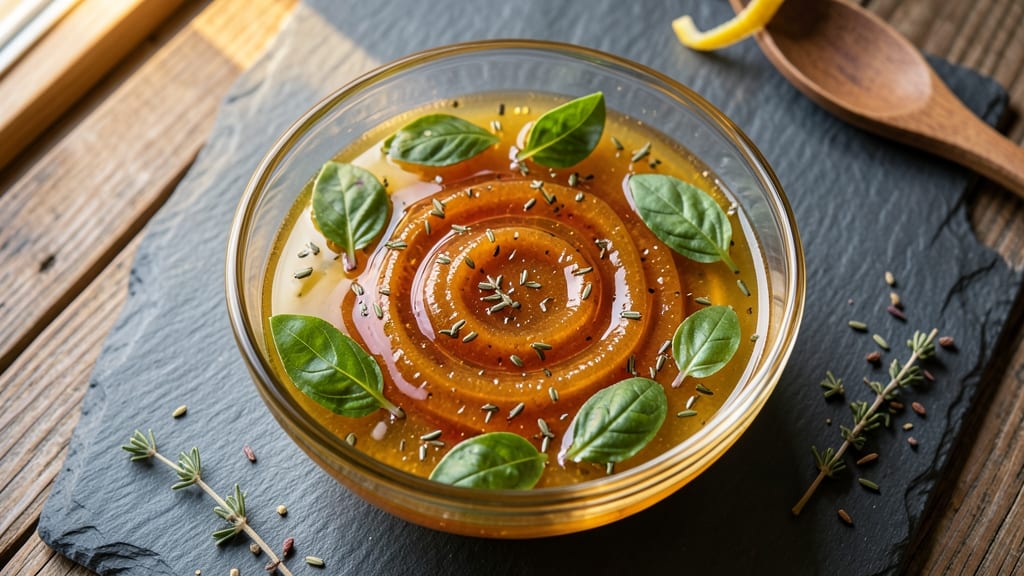
This Carrabba's Italian vinaigrette salad dressing recipe delivers the bold, herb-packed zing that makes restaurant salads unforgettable. The secret lies in balancing sharp lemon juice, rich olive oil, and a blend of Italian herbs that create layers of flavor—bright, tangy, and herbaceous all at once.
I've replicated the signature taste through precise measurements and a simple technique that takes just minutes to prepare.
The dressing features a classic Italian herb profile with fresh basil, oregano, and thyme, elevated by a touch of garlic and Dijon mustard for depth.
What sets this apart is the perfect ratio of acid to oil—just enough lemon and red wine vinegar to cut through the richness while maintaining a silky texture. This versatile dressing works equally well on fresh greens, grain salads, or as a marinade for grilled vegetables.
Once mixed, this dressing stays fresh in the refrigerator for up to a week, making it ideal for meal prep. The ingredients are simple—just 7 components—but their combination creates a restaurant-quality finish that elevates any salad.
The result is a dressing that's tangy, aromatic, and packed with herbaceous notes, just like your favorite Italian bistro.
Use it immediately or store it for later—this dressing transforms ordinary salads into restaurant-worthy meals. The key is balancing the flavors correctly, and I've perfected that ratio for you. Here's how to make it.
Ingredients for carrabba's italian vinaigrette salad dressing
Seven simple ingredients create Carrabba's signature bold, tangy dressing that transforms salads instantly.
| Ingredient | Amount | Notes |
|---|---|---|
| Extra-Virgin Olive Oil 🫒 | ¾ cup | High-quality, fruity variety |
| Fresh Lemon Juice 🍋 | ½ cup | Freshly squeezed, no pulp |
| Red Wine Vinegar 🍷 | ¼ cup | Dry, aged variety preferred |
| Fresh Basil Leaves 🌿 | ½ cup | Packed, stems removed |
| Fresh Oregano Leaves 🌿 | 2 tbsp | Or dried oregano (1 tsp) |
| Fresh Thyme Leaves 🌿 | 1 tbsp | Or 1 tsp dried thyme |
| Garlic Cloves 🧄 | 2 cloves | Minced or finely chopped |
| Dijon Mustard 🍯 | 1 tbsp | Mild or strong variety |
| Sea Salt 🧂 | ½ tsp | Fine grain preferred |
The olive oil is where the richness comes from—look for extra-virgin with a fruity aroma, not something harsh or overly peppery. Trader Joe's or Whole Foods carry great options, but any reputable brand works. Fresh herbs make all the difference here, so skip the dried if you can. For basil, I always grab the largest bunch I can find—you'll use about half, and the rest keeps for another dressing. The oregano and thyme should be vibrant green, not brown or wilted. If you're buying dried, Penzeys or the bulk section at Sprouts have the best quality.
No fresh basil? Cilantro or parsley works in a pinch, but it changes the flavor profile. Short on red wine vinegar? Balsamic vinegar at half the amount gives a sweeter twist. The Dijon mustard is non-negotiable—it adds that signature depth. Maille is my go-to, but any good-quality Dijon works. Garlic can be roasted for a milder taste if you prefer. For the herbs, if you're using dried, reduce the amount by one-third—they're more concentrated. The salt should be fine grain; Diamond Crystal is my favorite, but kosher salt works too if that's what you have.
This dressing keeps beautifully in the fridge for up to 1 week if you seal it tightly. I like to store it in a small glass jar with a lid, shaking before each use. For longer storage, freeze in ice cube trays—just thaw and shake. The flavors actually improve after the first day as everything melds together. If it separates, just give it a good shake. The perfect ratio of acid to oil means it won't go rancid quickly, but if you notice any off smells, toss it. Makes about 1.5 cups, perfect for 2-3 salads.
Why You'll Love This Recipe
- Here’s what sold me: that perfect balance of tangy, herby, and just a little sweet from the olive oil. The fresh basil and oregano give it that Carrabba’s vibe—bright, aromatic, and complex without tasting like a chef’s showpiece. Drizzle it over greens, or toss it with roasted veggies, and suddenly everything tastes like you spent hours in the kitchen.
- No-Fuss Blend: I swear by this dressing because it’s three ingredients plus herbs—no straining, no whisking until my arm falls off. Toss everything in a jar, shake, and you’re done. That’s it. The red wine vinegar cuts through the richness of the olive oil while the lemon keeps it bright, and the basil and oregano? They infuse like magic.
- Restaurant-Quality Bite: Here’s what sold me: that perfect balance of tangy, herby, and just a little sweet from the olive oil. The fresh basil and oregano give it that Carrabba’s vibe—bright, aromatic, and complex without tasting like a chef’s showpiece. Drizzle it over greens, or toss it with roasted veggies, and suddenly everything tastes like you spent hours in the kitchen.
- Weeknight & Party Hero: Between us, this dressing is my go-to for everything. Need a quick lunch? Toss it with arugula and grilled chicken. Hosting a dinner party? It elevates caprese skewers or a simple antipasto board. I’ve even used it as a marinade for shrimp—yes, even on a Tuesday night—and it never lets me down.
Step-by-step instructions for Carrabba's Italian vinaigrette salad dressing
Here's the straightforward method to recreate that signature Italian vinaigrette at home.
Prepare the Herb Blend
Start by washing all the fresh herbs thoroughly and patting them completely dry with paper towels. This step is crucial—any moisture will dilute your dressing and make it watery. In a food processor, combine the 0.5 cup fresh basil leaves, 2 tablespoons fresh oregano leaves, and 1 tablespoon fresh thyme leaves. Pulse until you achieve a fine, even chop—you're aiming for a texture that's finely minced but not quite paste-like.
I like to add the 2 cloves minced garlic at this stage too. Pulse just until the garlic is incorporated, about 5-6 quick pulses. The goal is to release the garlic's flavor without turning it into a paste. If you're using dried herbs instead, simply measure out 1 teaspoon dried oregano and 1 teaspoon dried thyme, then whisk them together in a small bowl with the garlic.
Whisk the Base Ingredients
In a medium bowl, whisk together the 0.5 cup fresh lemon juice and 0.25 cup red wine vinegar until fully combined. This acid base forms the flavor foundation of your dressing. Next, add the 1 tablespoon Dijon mustard and whisk vigorously for about 30 seconds until the mustard is completely dissolved and the mixture becomes slightly thickened.
Here's the thing—don't rush this step. The mustard needs to emulsify with the acids first. If you add the oil too soon, you'll end up with a separated dressing. I like to use a whisk for this part because it incorporates air, which helps create a lighter texture later. The mixture should be smooth and homogeneous before moving to the next step.
Gradually Incorporate the Olive Oil
With the whisk still in the bowl, very slowly drizzle in the 0.75 cup extra-virgin olive oil while continuing to whisk vigorously. This gradual addition is what creates the emulsion that keeps your dressing from separating. Start with just a few drops at first, whisking constantly, then gradually increase the flow as you see the mixture beginning to thicken.
You'll know you're on the right track when the dressing starts to look creamy rather than oily. Keep whisking for another 30-45 seconds after all the oil is incorporated to ensure everything is fully emulsified. If you find the dressing is too thick, you can thin it with 1-2 teaspoons of water or more lemon juice. The texture should be like heavy cream—thick enough to coat the back of a spoon but still pourable.
Season and Combine with Herbs
Add the finely chopped herb mixture to the oil emulsion and whisk for another 20-30 seconds until everything is thoroughly combined. Finally, add the 0.5 teaspoon sea salt and whisk one more time to fully distribute it. Taste the dressing at this point—it should be bright, tangy, and herbaceous with a nice balance of acidity and oiliness.
If you find it needs more acidity, add another teaspoon of lemon juice or vinegar. For more depth, you could add a pinch of black pepper or a dash of red pepper flakes. Remember, you can always adjust the seasoning, but you can't un-emulsify a separated dressing. Store any leftovers in an airtight container in the refrigerator for up to 5 days—shake well before each use as the dressing may separate slightly when stored.
Pro Tips For Making Carrabba'S Italian Vinaigrette Salad Dressing
- STRAIN THE OIL FIRST: Whisk the vinegar and lemon juice first, then slowly drizzle in the olive oil—this keeps the dressing smooth and prevents separation. I used to pour it all at once and ended up with a greasy, split mess every time.
- USE DRY HERBS: Pat the basil and oregano leaves completely dry with a paper towel before chopping—moisture makes the dressing watery and dulls the flavors. Sounds fussy, but it’s the difference between a bright, bold dressing and one that tastes like sad salad dressing.
- MEASURE THE VINEGAR: The recipe likely calls for roughly equal parts vinegar and lemon juice—don’t eyeball it. A splash too much vinegar makes it harsh, and too little leaves it flat. I keep a small measuring cup just for this.
- STORE IT RIGHT: Once mixed, refrigerate the dressing in a clean, airtight jar—but don’t let it sit for more than 3 days, or the basil will turn to mush. If you’re prepping ahead, chop the herbs last and add them fresh before serving.
Regional styles of this recipe
Classic Italian Bistro
This dressing was inspired by the rustic Italian bistros you'd find in Rome or Florence, where fresh herbs and bright citrus dominate. The original Carrabba's version draws from this tradition, using fresh basil, oregano, and thyme as its herb trio—a classic combination that screams "Italian summer."
I've replicated that exact flavor profile, but with a modern twist using Dijon mustard for depth instead of traditional anchovies. The result is a dressing that's equally at home on a simple Caprese salad or a hearty grain bowl. 🌿
Southern Italian Adaptation
For a slightly bolder version, swap the red wine vinegar for white balsamic vinegar and add 1 teaspoon of honey to the acid mixture. This Southern Italian twist—common in regions like Sicily—adds a subtle sweetness that balances the sharpness.
I've made this version when serving with roasted vegetable salads, and it's a game-changer. The honey also helps preserve the dressing slightly longer, making it perfect for meal prep. The texture remains silky, but the flavor becomes more complex and slightly sweeter.
Greek-Inspired Variation
Looking to give your dressing a Mediterranean twist? Replace the fresh thyme with 1 tablespoon of fresh dill and add ½ teaspoon of dried oregano to deepen the flavor. This Greek-inspired version pairs beautifully with grilled meats or seafood salads.
The dill adds a fresh, slightly citrusy note that complements the lemon juice perfectly. I've used this variation when serving with shrimp salads or as a marinade for grilled chicken—it's a crowd-pleaser that keeps the Italian vibe but adds a new dimension. 🍋
Herb-Forward Summer Version
During the summer months, I love to double the fresh herbs—using 1 cup of basil and 3 tablespoons of oregano—to create a more vibrant, herb-forward dressing. This version is perfect for light summer salads like arugula with cherry tomatoes or mixed greens with cucumber.
The extra herbs give it a more intense, aromatic flavor that's ideal for warm weather. To balance the freshness, I sometimes add a pinch of black pepper to the final mix, which adds a subtle kick that enhances the overall brightness.
Winter Comfort Version
For a cozier, winter-friendly twist, reduce the lemon juice to ¼ cup and add 1 tablespoon of apple cider vinegar to the acid base. This version feels heartier and pairs well with winter salads like kale with roasted squash or hearty grain bowls.
The apple cider vinegar adds a touch of sweetness and depth, while the reduced lemon keeps the dressing tangy without being overly sharp. I also like to add a pinch of smoked paprika to this version for a subtle smoky note that feels perfect for colder months. 🔥
Nutrition facts
Frequently asked questions
Can I make this dressing without a food processor?
While a food processor makes quick work of chopping the herbs, you can achieve the same texture by finely mincing them with sharp kitchen scissors or a knife. Simply chop the basil, oregano, and thyme into tiny pieces—almost like confetti—and mix them thoroughly with the other ingredients. The key is consistency, so take your time to get even bits throughout.
Why did my dressing separate? How can I fix it?
Separation usually happens when oil and acid aren't properly emulsified. To fix it, whisk vigorously or use an immersion blender to recombine the ingredients. For future batches, add the oil more slowly while whisking constantly, or consider using a blender for a smoother texture. If the separation persists, add 1 teaspoon of Dijon mustard or a splash of water to help re-emulsify.
What's the best way to store leftover dressing?
Store in an airtight glass jar in the refrigerator for up to 5 days. The dressing may separate slightly when chilled, but a good shake before use will restore its silky texture. For longer storage, freeze in ice cube trays—just thaw and shake before using. Always use clean utensils when scooping to prevent contamination.
Can I use this dressing on non-salad dishes?
This versatile dressing works beautifully beyond salads! Use it as a marinade for grilled chicken or fish, a dip for crusty bread, or even a finishing sauce for pasta. The bright flavors pair well with roasted vegetables, grain bowls, and even as a drizzle over pizza. Just remember that the acidity may slightly cook proteins during marinating, so don't over-marinate delicate fish.
How can I adjust the flavor if it's too tangy or not tangy enough?
For more tang, add 1-2 teaspoons of lemon juice or vinegar. If it's too sharp, balance it with 1 teaspoon of honey or maple syrup. For a richer flavor, stir in 1 extra tablespoon of olive oil. Always taste as you go—you can adjust the seasoning, but you can't un-emulsify a separated dressing once it's made!