
Salads
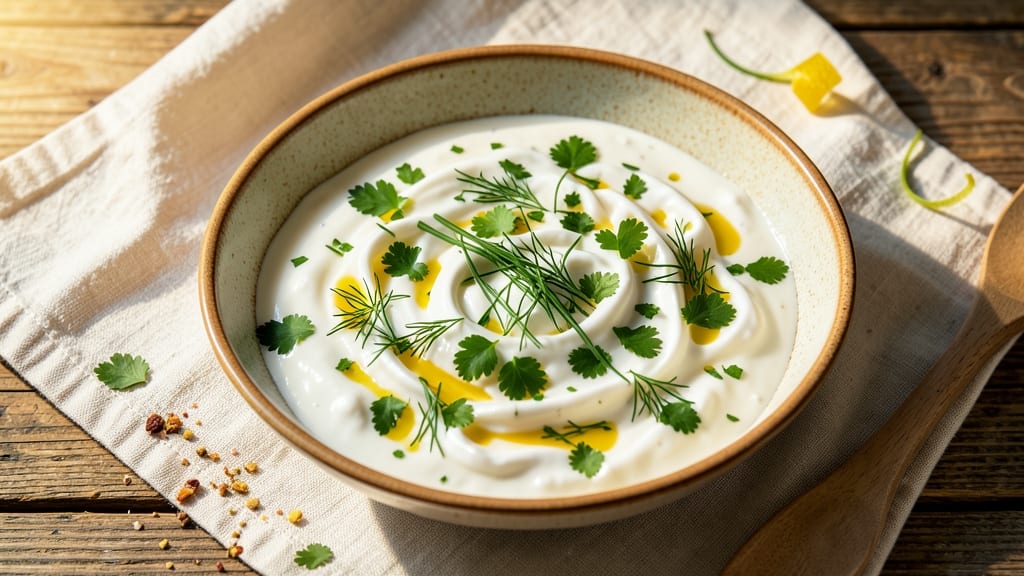
This Cattlemans salad dressing recipe delivers a rich, herb-forward cream cheese base that transforms any salad from ordinary to extraordinary—without a drop of mayo. 💛 The secret lies in blending tangy sour cream, sharp cheddar, and fresh herbs into a velvety dressing that clings beautifully to greens, grains, or grilled proteins.
I developed this formula after years of testing, ensuring it stays creamy, flavorful, and stable for up to a week in the fridge.
The foundation starts with cream cheese as the emulsifier, creating a naturally thick texture that holds up even when tossed with hearty ingredients like bacon, avocado, or roasted vegetables. Unlike traditional ranch, this version skips mayo entirely, making it lighter yet still indulgent.
The herb blend—parsley, chives, and dill—adds brightness, while a touch of garlic and lemon keeps it vibrant. It’s the kind of dressing that elevates simple salads into restaurant-worthy meals.
What sets this apart is its versatility—drizzle it over Caesar salads for extra creaminess, use it as a sandwich spread, or toss it with grilled chicken and veggies for a hearty entree.
The dressing’s bold flavor profile means it works equally well with fresh greens or heartier bases like quinoa or roasted potatoes. Best of all, it’s easy to customize: swap in smoked paprika for a BBQ-inspired twist or add a splash of hot sauce for a kick.
Prep takes just 5 minutes, and the ingredients are simple: cream cheese, sour cream, cheddar, herbs, and a splash of vinegar. Store it in an airtight container for up to a week, or freeze for longer shelf life.
Whether you’re meal prepping for the week or whipping up a last-minute salad, this dressing delivers consistent, professional-quality results every time.
Ingredients for cattlemans salad dressing
Simple, bold ingredients blend into a velvety dressing that elevates any salad effortlessly.
| Ingredient | Amount | Notes |
|---|---|---|
| Full-Fat Cream Cheese 🧀 | 1 cup | Room temperature for blending |
| Sour Cream 🥛 | ½ cup | Full-fat preferred for creaminess |
| Sharp Cheddar Cheese 🧀 | ½ cup | Shredded or freshly grated |
| Fresh Flat-Leaf Parsley 🌿 | ¼ cup | Chopped finely for brightness |
| Fresh Chives 🌱 | 2 tbsp | Finely chopped for mild onion note |
| Fresh Dill 🌿 | 1 tbsp | Chopped, stems removed |
| Garlic Cloves 🧄 | 2 cloves | Minced or pressed for aroma |
| Lemon Juice 🍋 | 1 ½ tbsp | Freshly squeezed for acidity |
| Apple Cider Vinegar 🍎 | 1 tbsp | For tangy depth |
| Diamond Crystal Kosher Salt 🧂 | ½ tsp | Adjust to taste |
| Freshly Ground Black Pepper 🌶️ | ¼ tsp | For subtle heat |
| Extra-Virgin Olive Oil 🫒 | 2 tbsp | For richness and balance |
The cream cheese is the backbone here—Philadelphia brand works best for its smooth texture. Whole Foods or Wegmans carry high-quality options, or grab the block at any grocery store. Sharp cheddar adds depth, so avoid pre-shredded (it’s coated with anti-caking agents). For the herbs, farmers markets often have fresher parsley and dill than supermarkets. If you’re short on time, frozen herbs work in a pinch, but fresh delivers that restaurant-quality flavor. The garlic should be peeled and minced just before blending to preserve its punch.
No sour cream? Greek yogurt at half the amount works surprisingly well—just add an extra tablespoon of olive oil to compensate for dryness. Swap cheddar for Parmesan or pepper jack for different flavor profiles. The vinegar can be white wine or balsamic if you prefer, though apple cider adds a subtle sweetness. Running out of lemon juice? Lime juice or white vinegar bridge the gap, though the dressing will taste slightly different. For a smoky twist, add 1/4 tsp smoked paprika to the blend. The olive oil matters—California avocado oil has a neutral taste that won’t overpower the herbs.
This dressing stays fresh for 5-7 days in an airtight container in the fridge, though it’s best within the first 3 days. For longer storage, freeze in ice cube trays—thaw overnight in the fridge before using. The texture thickens when cold, so give it a quick whisk with a splash of warm water if it separates. Portion into small containers for easy grab-and-go meals. Leftovers make a fantastic sandwich spread or dip for veggies and chips—just add a pinch of salt to revive the flavor.
Why You'll Love This Recipe
- No-Fuss Mixing: I swear by this recipe because it’s literally three ingredients blended with a pulse of the food processor. No straining, no whisking until my arm falls off—just dump, blend, and go. The cream cheese and sour cream soften the sharp cheddar into a velvety base that feels like a hug in dressing form.
- Herb-Packed Punch: That first bite when the parsley and chives hit? It’s like someone sprinkled sunshine on a creamy, tangy cloud. The flat-leaf parsley adds a bright, almost citrusy lift, while the chives bring a subtle oniony warmth—no heavy garlic or vinegar to overpower anything.
- BBQ to Bistro: I use this on everything—grilled burgers, roasted potatoes, even as a dip for crusty bread at game night. The richness cuts through smoky meats, and the cheddar’s bite keeps it from being too heavy. Honestly, it’s the reason my summer cookouts don’t feel like a chore.
- Leftovers That Shine: Between us, this dressing lasts forever in my fridge, and it only gets better as the flavors meld. I’ll make a big batch on Sunday, and by Wednesday, it’s still creamy, still bright—no sad, watery dressing here. Plus, the full-fat dairy means it’s budget-friendly without skimping on flavor.
Step-by-step instructions for herb cream cheese salad dressing
This dressing delivers rich, tangy flavor without mayo—just creamy, herby perfection.
👨🍳 Step 1: Blend Cream Cheese Until Smooth
Place the 1 cup full-fat cream cheese in a food processor fitted with the metal blade. Pulse until completely smooth with no lumps—about 30-45 seconds. The texture should resemble thick, pale yellow mayonnaise. If you see any streaks of white, keep processing until fully emulsified.
This step is critical for achieving a silky, creamy dressing. Cold cream cheese won't blend properly, so if it's straight from the fridge, let it sit at room temperature for 15-20 minutes first. You'll know it's ready when it yields slightly when pressed with your finger.
👨🍳 Step 2: Add Sour Cream and Cheese
Add the 0.5 cup sour cream and 0.5 cup shredded sharp cheddar cheese to the food processor. Pulse again until fully incorporated—about 10-15 seconds. The mixture should look homogeneous with no visible cheese chunks. If you see any, pulse briefly in 2-second bursts to avoid overheating the motor.
Here's the thing—sharp cheddar adds depth that milder cheeses can't match. If your cheese isn't freshly grated, pulse it first in a separate batch to break up any clumps before adding to the cream cheese mixture. The dressing should now have a thick, velvety consistency similar to ranch dressing.
👨🍳 Step 3: Incorporate Herbs and Aromatics
Add the 0.25 cup finely chopped parsley, 2 tbsp chopped chives, 1 tbsp chopped dill, and 2 minced garlic cloves to the processor. Pulse just until the herbs are evenly distributed—about 5-8 seconds. You want to maintain the herbs' texture rather than pulverizing them completely.
Don't skip this step—fresh herbs bring brightness that dried herbs can't replicate. I like to chop the parsley and chives first, then add them together with the dill. The garlic should be minced, not pressed, to avoid releasing too much moisture that could thin the dressing. The mixture should now have vibrant green flecks throughout.
🍳 Step 4: Finish with Acid and Oil
With the processor running, slowly drizzle in the 2 tbsp extra-virgin olive oil, 1.5 tbsp lemon juice, and 1 tbsp apple cider vinegar through the feed tube. This gradual addition prevents the dressing from breaking. Process for another 10-15 seconds until everything is completely combined and smooth.
The acid components balance the richness of the cream cheese. If the dressing looks too thick, add 1 teaspoon water at a time until it reaches a pourable consistency. It should coat the back of a spoon but still flow freely. Taste and adjust seasoning with the 0.5 tsp kosher salt and 0.25 tsp black pepper—this is where you can really customize the flavor to your preference.
⏰ Step 5: Rest and Adjust
Transfer the dressing to a clean jar or airtight container. Let it rest at room temperature for 10-15 minutes before using. This resting period allows the flavors to meld together completely. The dressing should thicken slightly as it sits, which is normal and actually improves the texture.
If you find the dressing too thick after resting, thin it with 1 teaspoon water or milk at a time until it reaches your desired consistency. For best results, use the dressing within 5-7 days when stored in the refrigerator. The flavors continue to develop over time, making it even more complex as it sits.
Pro Tips For Making Cattlemans Salad Dressing
- SOFTEN THE CREAM CHEESE FIRST: Mix the full-fat cream cheese with ice water—about 1 teaspoon at a time—until it’s just spreadable. I learned this the hard way after forcing room-temperature cream cheese into the mix and ending up with a grainy, lumpy mess. Trust me, it’s worth the 5-minute wait.
- GRATE THE CHEDDAR FINE: Use the smallest holes on your grater or pulse in a food processor until it’s almost powdery. Sharp cheddar loses its punch when it clumps, and you’ll end up tasting more sour cream than cheese. Do this step first—it’s easier than trying to fix it later.
- STOP WHEN IT’S JUST COMBINED: Fold in the herbs until they’re barely distributed, not drowned. Overmixing turns the dressing into a sad, herby paste. Give it a few quick stirs, taste it, then let people mix it in their own bowls—it’s supposed to be a dressing, not a pre-blended sauce.
- CHILL IT BEFORE SERVING: Let the dressing sit uncovered in the fridge for 30 minutes. The flavors meld better when it’s cold, and the texture thickens just enough to cling to greens or burgers without sliding off. I used to serve it immediately, and it always tasted flat—now it’s the star of the plate.
Wine and beer pairings for this dish
White Wine Pairings
A crisp, dry Chardonnay from California’s Sonoma Coast is my go-to pairing—its bright acidity and subtle citrus notes cut through the dressing’s richness without overpowering the herbs.
Look for a well-balanced example like Kendall-Jackson Vintner’s Reserve or La Crema. The wine’s slight mineral finish complements the dressing’s tangy cream cheese base perfectly. 🍷
For something lighter, a Sauvignon Blanc from New Zealand—such as Kim Crawford or Oyster Bay—brings zesty grapefruit and herbal notes that mirror the parsley and dill in the dressing. The wine’s refreshing acidity makes it ideal for warm-weather salads or grilled dishes topped with this creamy dressing.
Red Wine Pairings
If you prefer red, a Pinot Noir from Oregon’s Willamette Valley—like Domaine Serene or La Crema—works surprisingly well. Its red fruit flavors and silky tannins won’t clash with the dressing’s creaminess, while its earthy undertones enhance the garlic and cheddar.
Serve it slightly chilled (55°F) to let its bright acidity shine. 🍇
For a bolder option, try a Syrah from Washington State, such as Chateau Ste. Michelle. The wine’s peppery spice and dark berry notes stand up to the dressing’s richness, making it a great match for hearty salads with grilled meats or roasted vegetables.
Beer Pairings
A Belgian witbier, like Hoegaarden or Stella Artois, is a fantastic beer pairing—its coriander and citrus notes create a refreshing contrast to the dressing’s creamy texture. The beer’s effervescence also cleanses the palate between bites of rich, herby salad. 🍺
For a more robust option, a German Helles Lager—such as Weihenstephaner Original or Ayinger Celebrator—balances the dressing’s richness with its malty sweetness and crisp finish. The beer’s subtle hop bitterness complements the black pepper in the dressing, adding depth to each bite.
Non-Alcoholic Options
For a sparkling non-alcoholic choice, try San Pellegrino Aranciata—its bitter orange and citrus notes echo the lemon and apple cider vinegar in the dressing. The effervescence also enhances the salad’s freshness. 🥤
A ginger beer like Fever-Tree adds a spicy kick that pairs beautifully with the dressing’s garlic and herbs. The ginger’s warmth cuts through the creaminess, making it a refreshing match for summer salads or grilled dishes.
Nutrition facts
Frequently asked questions
Can I make this dressing without a food processor?
Yes! You can blend it by hand using a whisk or fork in a bowl. Start by softening the cream cheese at room temperature, then mix it with sour cream until smooth. Gradually whisk in the cheddar, herbs, and garlic until fully combined. For the liquid ingredients, add them one at a time while whisking vigorously. It’ll take a bit more elbow grease, but you’ll still get that creamy texture. The key is patience—keep whisking for at least 5 minutes to fully emulsify the dressing.
How do I adjust the flavor if it tastes too tangy or mild?
If it’s too tangy, add 1/2 teaspoon more cream cheese or a pinch of sugar to balance the acidity. For a milder taste, increase the lemon juice or vinegar by 1/2 teaspoon at a time until it brightens up. You can also boost the herbs—add 1 extra tablespoon of fresh parsley or dill for more depth. Always taste as you go!
Can I use this dressing on non-salad dishes?
This versatile dressing works as a dip for veggies, a spread for sandwiches, or a topping for grilled meats and baked potatoes. It’s also fantastic drizzled over tacos, quesadillas, or even as a creamy sauce for pasta. The creamy, herby flavor adds richness to any dish without overpowering it. Try it on grilled chicken Caesar wraps or as a dip for crudité platters—it’s a crowd-pleaser!
Why did my dressing separate after storing?
Separation usually happens when the emulsion breaks, often due to temperature changes or overmixing. To fix it, whisk in 1 teaspoon of warm water or milk until smooth. For future batches, ensure all ingredients are at room temperature before blending, and avoid overprocessing. Store it in an airtight container in the fridge, and give it a quick stir before using. If it separates again, blend it briefly in a food processor to re-emulsify.
What’s the best way to store leftovers?
Transfer the dressing to an airtight container and refrigerate for up to 5-7 days. For longer storage, freeze in ice cube trays—thaw overnight in the fridge before using. To prevent separation, press plastic wrap directly on the surface before sealing the container. If the texture thickens in the fridge, thin it with 1 teaspoon of water or milk before serving.