
Salads
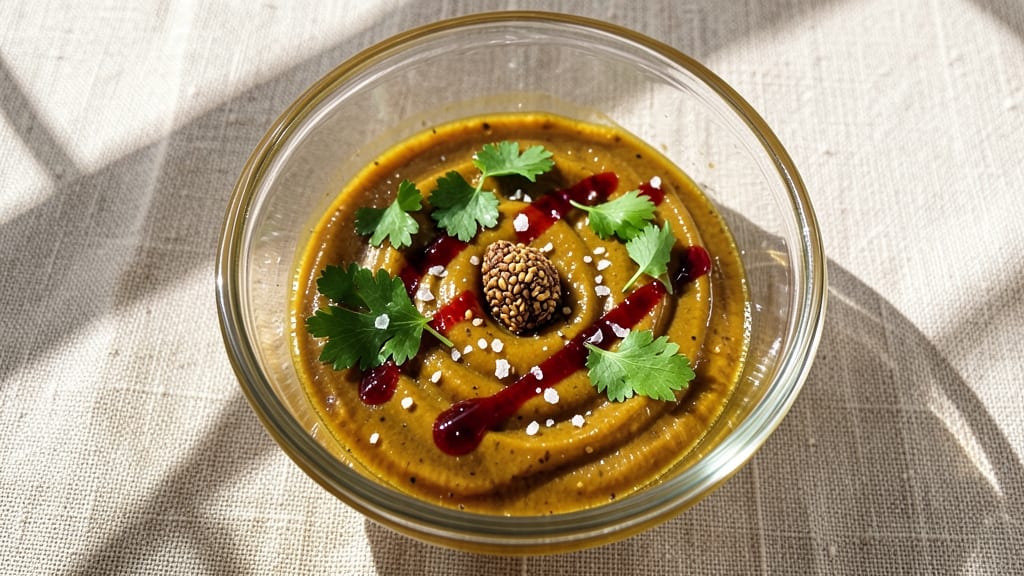
This celery seed salad dressing recipe transforms simple greens into a flavor explosion with just six ingredients and a few minutes of prep. The secret lies in celery seed's earthy depth, balanced perfectly with tangy vinegar and rich olive oil, creating a dressing that clings beautifully to every leaf.
I developed this after struggling to find a dressing that elevated basic salads without overpowering them—now it's my go-to for everything from crisp arugula to hearty kale.
The base is simple yet powerful: high-quality olive oil, white wine vinegar, Dijon mustard (for natural emulsification), and a pinch of salt to enhance all flavors.
What sets this apart is the celery seed—just a teaspoon toasted and ground—adding a subtle, aromatic complexity that pairs perfectly with fresh herbs like parsley or chives. The dressing keeps for up to five days in the fridge, making it ideal for meal prep without sacrificing freshness.
What you'll end up with is a velvety, well-balanced dressing that's tangy yet rich, with just the right amount of herbal zing to make any salad unforgettable. The texture is silky smooth, not too thick or thin, and the flavor develops beautifully over time.
This isn't just another vinaigrette—it's a game-changer for anyone who wants restaurant-quality dressing at home.
Use it immediately on fresh greens, or let it sit overnight in the fridge for even deeper flavor development. The possibilities are endless: drizzle over grain bowls, toss with roasted vegetables, or use as a marinade base. Here's how to make it perfectly every time.
Ingredients for celery seed salad dressing
Six simple ingredients create this restaurant-quality dressing that elevates any salad.
| Ingredient | Amount | Notes |
|---|---|---|
| Extra-Virgin Olive Oil 🫒 | ½ cup | High quality, fruity flavor preferred |
| White Wine Vinegar 🍷 | ¼ cup | Dry variety for best balance |
| Dijon Mustard 🌶️ | 1 tbsp | For natural emulsification |
| Celery Seeds 🌿 | 1 tsp | Toasted and ground for depth |
| Fresh Parsley 🌱 | ¼ cup | Chopped, for fresh herbal note |
| Sea Salt 🧂 | ½ tsp | Adjust to taste |
The celery seeds are the star here—toast them lightly in a dry pan for 30 seconds before grinding to unlock their nutty aroma. Penzeys or bulk bins at Whole Foods have the freshest seeds, but any grocery store works. Fresh parsley makes all the difference (the dried stuff just doesn't cut it), so grab a bunch and use half for this, saving the rest for garnishes. The olive oil should be extra-virgin with noticeable fruity notes—none of that cheap cooking oil. I always grab mine from Trader Joe's or Costco for the best balance of quality and price.
No celery seeds? Fennel seeds at double the amount gives similar earthiness, though it's not quite the same. Short on parsley? Fresh chives or basil work in a pinch, but parsley's bright flavor is ideal. The Dijon mustard is non-negotiable—it's what makes this dressing cling to greens without separating. If you're out, whole-grain mustard thinned with water can work, but it won't be as smooth. The white wine vinegar can be swapped for apple cider vinegar if you prefer something slightly sweeter—just add an extra pinch of salt to balance.
This dressing keeps beautifully for 5-7 days in the fridge, with flavors actually improving overnight. I like to store it in a small amber glass jar (the color protects it from light) and shake well before each use. For meal prep, double the batch—it's perfect for drizzling over grain bowls, roasted veggies, or even as a marinade base. The texture stays silky smooth as long as you keep it sealed tight, so no need for preservatives. If it thickens, just whisk in a splash of water or vinegar to loosen it up.
Why You'll Love This Recipe
- No-Fuss Blender Magic: I swear by this dressing because it’s three ingredients, one pulse—no whisking, no straining, no mess. Toss everything in, hit blend, and you’ve got a silky-smooth dressing that tastes like you spent hours in the kitchen. (Between us, I’ve made it while waiting for pasta to boil.)
- Earthy Crunch in Every Bite: That toasty celery seed kick—it’s like a warm hug for your taste buds. The Dijon mustard adds depth, while the parsley keeps it bright, so you get this weirdly addictive balance of tangy, nutty, and fresh. Honestly, I’ve caught myself pouring extra just to taste it straight from the jar.
- Weeknight Meal Prep Hero: This dressing lasts forever in the fridge (I’ve had it for a week, no joke) and works on everything—grilled chicken, roasted veggies, even as a marinade. Pro tip: Double the batch and store it in small jars so you’re never scrambling for a quick lunch fix.
- Pocketbook-Friendly Pantry Staple: You’re probably already using olive oil and vinegar, so this is basically free. Celery seeds are cheap, and parsley lasts ages in the fridge. I’ll be real: I’ve made this on a grocery budget, and it still tastes like I splurged. That’s the kind of recipe that makes you feel clever.
Step-by-step instructions for celery seed salad dressing
This dressing comes together in minutes with bold flavors that elevate any green salad.
Toast the Celery Seeds for Maximum Flavor
Heat a small dry skillet over medium-low heat. Add the 1 teaspoon celery seeds and toast them for 1-2 minutes, stirring constantly, until they release their nutty aroma and begin to turn a deeper golden color. You want them fragrant but not burnt—just a whisper of smoke should signal they're ready.
Let the toasted seeds cool completely before grinding. I like to transfer them to a mortar and pestle for a few seconds of crushing, but a clean coffee grinder works too. This step unlocks the celery's earthy depth that makes this dressing stand out.
Whisk Together the Base Ingredients
In a medium bowl, combine the ½ cup extra-virgin olive oil and ¼ cup white wine vinegar. Start with a quick whisk to break up any surface tension between the oil and vinegar. The mixture should look slightly cloudy at first—that's normal and will clear as you work.
Add the 1 tablespoon Dijon mustard and whisk vigorously for 30 seconds until fully incorporated. The mustard acts as an emulsifier, helping the oil and vinegar bond. If the dressing starts to separate after a few minutes, just whisk again—this dressing is forgiving.
Add the Toasted Celery Seeds and Salt
Sprinkle in the toasted and ground celery seeds along with the ½ teaspoon sea salt. Whisk everything together for 1 full minute until the seeds are evenly distributed and the salt dissolves completely. The dressing should now have a vibrant greenish tint from the parsley we'll add next.
Taste at this stage—you might want to adjust the salt slightly. Remember, we're building flavor layer by layer, and the parsley will add freshness that balances the earthiness.
Fold in the Fresh Parsley
Add the ¼ cup chopped fresh parsley to the bowl. Using a fork or small whisk, gently fold it in just until the leaves are evenly distributed throughout the dressing. Be careful not to overmix—we want the parsley to stay in chunks rather than turning into a puree.
Give it one final taste. The dressing should have a bright, tangy kick from the vinegar, a subtle mustard bite, and that distinctive celery seed earthiness that makes it unforgettable. If it needs more acidity, add a splash more vinegar; if it needs more richness, stir in a bit more olive oil.
Let It Rest and Shake Before Serving
Transfer the dressing to a clean jar with a tight-fitting lid. Let it sit at room temperature for 10-15 minutes before using. This resting period allows all the flavors to meld together beautifully.
Just before serving, give the jar a good shake to re-emulsify the dressing. The parsley will naturally settle to the bottom, so shake again right before pouring over your salad. This dressing keeps well in the refrigerator for up to 1 week—just remember to give it a shake before each use.
Pro Tips For Making Celery Seed Salad Dressing
- Toast the celery seeds: I learned this the hard way—raw celery seeds taste bitter and sharp. Lightly toast them in a dry pan for 30 seconds until fragrant before grinding. That warm, nutty aroma makes the whole dressing sing.
- Use a mortar and pestle: Yes, even if you’re impatient like me. A quick grind in a mortar with a pinch of salt releases the seeds’ oils better than a blender. Skip this, and your dressing will taste flat—like someone forgot the main event.
- Balance the vinegar first: Taste the raw vinegar before adding anything else. If it’s too harsh, mix it with a splash of water or a teaspoon of honey. You can always adjust the oil later, but fixing overpowering vinegar is a headache.
- Strain the parsley aggressively: Don’t just chop it and toss it in. Press the parsley through a fine-mesh strainer or cheesecloth to remove all the fibrous bits. It’s messy, but your dressing will be silky smooth—not like you’re eating salad garnish.
Best sauces and condiments for celery seed salad dressing
Classic Pairings
This celery seed dressing shines brightest on crisp arugula salads—the peppery bite of the greens mirrors the dressing's earthy notes beautifully. I love tossing it with shaved fennel and toasted walnuts for a sophisticated salad that feels restaurant-worthy. 🌿
For heartier salads, try it with roasted beets and goat cheese—the dressing's tangy richness cuts through the sweetness of the beets while the celery seed adds a subtle herbal depth.
It's also perfect for grain bowls with quinoa or farro, where the dressing clings to every bite without overpowering the grains.
Unexpected Uses
Don't limit this dressing to salads—it's fantastic as a marinade base for grilled chicken or fish. Just thin it with a bit of water and let it sit for 30 minutes before using. The celery seed's earthiness pairs wonderfully with lemon and garlic in this application. 🍗
Drizzle it over roasted Brussels sprouts or asparagus for an elegant side dish that feels gourmet. The dressing's silky texture and complex flavors elevate simple vegetables to something special without requiring extra effort.
Sweet Contrasts
For a surprising twist, use this dressing with fruit salads—especially those featuring pears, apples, or berries. The dressing's tangy brightness balances the natural sweetness of the fruit while the celery seed adds an intriguing herbal note. 🍎
Try it with watermelon and feta for a refreshing summer dish that's both sweet and savory. The dressing's depth makes the simple combination taste like a sophisticated appetizer.
Storage Secrets
Store your dressing in an amber glass jar in the fridge for up to 7 days—the dark glass protects the delicate flavors from light degradation. Always shake well before using, as the parsley will settle.
If the dressing thickens over time, simply whisk in 1-2 teaspoons of water to restore its silky texture. ❄️
For longer storage, consider freezing the dressing in ice cube trays—just thaw and shake before use. This method preserves the freshness of the parsley better than traditional freezing methods.
Nutrition facts
Frequently asked questions
Why toast the celery seeds instead of using them raw?
Toasting the seeds for 1-2 minutes unlocks their nutty, aromatic depth that raw seeds can't match. The heat enhances their earthy flavor, making the dressing taste more complex and sophisticated. Plus, it prevents a bitter aftertaste that can occur with raw celery seeds.
Can I make this dressing without Dijon mustard?
Yes, but the texture may separate more easily. Try whole-grain mustard thinned with 1 tsp water or 1 tsp honey for sweetness. For a mustard-free version, whisk the oil and vinegar vigorously for 2 full minutes to create a temporary emulsion. The flavor will be less stable but still delicious.
How do I fix separated dressing?
Simply whisk vigorously for 30 seconds or shake the jar hard for 10 seconds. The Dijon mustard helps re-emulsify naturally. If it keeps separating, add ½ tsp more mustard or 1 tsp water to thin it slightly. For stubborn cases, blend briefly with an immersion blender to restore smoothness.
What's the best way to store leftovers?
Transfer to an amber glass jar with a tight lid and refrigerate for up to 7 days. Always shake well before using. For longer storage, freeze in ice cube trays—thaw overnight in the fridge and shake to restore texture. The parsley stays fresher this way than in bulk freezing.
Can I use this dressing on cooked dishes?
It works beautifully as a finishing drizzle on roasted vegetables, grilled meats, or even pasta dishes. The celery seed's earthy notes complement warm, savory flavors exceptionally well. For cooked applications, thin with 1-2 tsp water if needed to create a lighter sauce.