
Sauces & Condiments
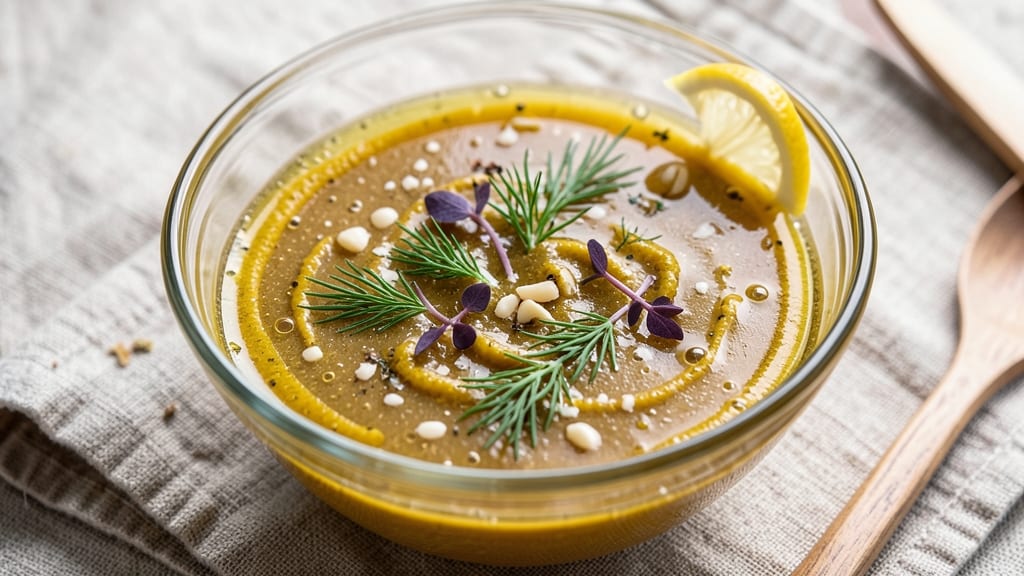
This chicken souvlaki salad dressing recipe transforms simple greens into a vibrant, Mediterranean-inspired meal with just a few ingredients and 5 minutes of prep. The bright lemon-garlic zing cuts through grilled chicken and fresh vegetables, creating a dressing that's tangy, aromatic, and impossible to resist.
I developed this after realizing how much better souvlaki salads taste when dressed with homemade sauce instead of store-bought versions.
The secret lies in balancing fresh lemon juice with high-quality olive oil, creating a stable emulsion that won't separate. Finely minced garlic and fresh herbs like oregano and dill add layers of flavor that transport you straight to a Greek taverna.
What makes this dressing special is its versatility—it works equally well on souvlaki salads, grilled chicken plates, or even as a marinade for your next batch of chicken skewers.
Once you taste this dressing, you'll never go back to bottled versions. The lemon brightens the flavors while the olive oil provides richness, and the herbs give it that authentic Mediterranean character.
It stays fresh in the refrigerator for up to 5 days, making it perfect for meal prep or keeping on hand for quick lunches.
Pair it with grilled chicken, cucumbers, tomatoes, red onion, and feta cheese for the ultimate souvlaki salad experience. The dressing enhances every component, creating a harmonious balance of flavors that will have everyone asking for seconds. Let's make this dressing!
Ingredients for chicken souvlaki salad dressing
Seven simple ingredients create the perfect Mediterranean zing for souvlaki salads.
| Ingredient | Amount | Notes |
|---|---|---|
| Extra-Virgin Olive Oil 🫒 | ¾ cup | High-quality, fruity variety preferred |
| Fresh Lemon Juice 🍋 | ½ cup | Freshly squeezed, no pulp |
| Garlic Cloves 🧄 | 4 cloves | Finely minced for smooth texture |
| Fresh Dill 🌿 | ¼ cup | Chopped, stems removed |
| Fresh Oregano 🍃 | ¼ cup | Chopped, or 1 tbsp dried |
| Dijon Mustard 🍯 | 1 tbsp | For emulsion stability |
| Honey 🍯 | 1 tbsp | Or maple syrup for vegan option |
| Salt 🧂 | 1 tsp | Kosher or sea salt |
| Black Pepper 🌶️ | ½ tsp | Freshly ground preferred |
The olive oil is the star here—look for extra-virgin with a fruity aroma, not that harsh industrial stuff. Trader Joe's and Whole Foods have great options, or grab a bottle from the Mediterranean aisle at Kroger. Fresh herbs make all the difference: dried oregano and dill just can't compete. If you're using dried, reduce to one-third the amount—it's more concentrated. For the garlic, mince it finely so it blends smoothly into the dressing without chunks. I always grab a bunch of fresh dill and oregano from the grocery store's produce section—it's cheaper than buying pre-chopped and lasts longer.
No fresh dill? Fresh parsley works in a pinch, though it'll taste slightly different. Short on honey? Maple syrup or agave keeps it vegan-friendly. The Dijon mustard is non-negotiable—it helps emulsify the dressing so it doesn't separate. If you're out, whole-grain mustard at half the amount works, but it'll be less stable. For the olive oil, if you've got avocado oil, it'll work but lacks that Mediterranean character. The lemon juice should be fresh—bottled just doesn't cut it. If you're making this ahead, store the lemon juice and herbs separately until ready to mix.
This dressing keeps beautifully—5 days in the fridge sealed in a jar. I always make extra because it disappears fast. For leftovers, give it a good stir before using. If it separates (which happens sometimes), just whisk it vigorously or blend briefly to recombine. The dressing works magic on souvlaki salads, grilled chicken, or even as a marinade—double the recipe and use half for marinating. Freezes for 3 months if stored in an airtight container, though the texture might get slightly grainy after thawing.
Why You'll Love This Recipe
- Five-Ingredient Magic: I swear by this combo—just olive oil, lemon, garlic, dill, and oregano. No fancy gadgets, no measuring cups (well, one), and it’s ready while you’re still debating what to eat.
- Bright & Bold: That zingy lemon cuts through the richness of grilled chicken like a Greek summer breeze. The dill and oregano? They turn "salad dressing" into "I’d eat this with a spoon" territory.
- Meal Prep MVP: Drizzle this over prepped souvlaki bowls or toss it with chopped veggies for grab-and-go lunches. It keeps for five days in the fridge—no sad, wilted greens here.
- Budget Brightener: Fresh herbs feel fancy, but they’re cheaper than takeout. A few cloves of garlic and a lemon go a long way, and you’ll use every last drop before the week’s out.
Step-by-step instructions for lemon-garlic souvlaki dressing
This bright, herby dressing comes together in minutes—perfect for drizzling over grilled chicken souvlaki salads.
Whisk Together Wet Ingredients
In a medium bowl, combine the 0.75 cup extra-virgin olive oil with the 0.5 cup fresh lemon juice. The oil should be at room temperature for best emulsification. I like to use a whisk for this step—it creates a smooth, silky base that won't separate later.
Next, add the 1 tbsp Dijon mustard and 1 tbsp honey. Whisk vigorously for about 30 seconds until everything is fully incorporated. The mustard acts as an emulsifier to keep the dressing from breaking, while the honey adds just the right amount of sweetness to balance the acidity. You'll notice the mixture immediately thickens slightly as these ingredients blend together.
Add Aromatics and Herbs
To the wet mixture, add the 4 minced garlic cloves, 0.25 cup chopped fresh dill, and 0.25 cup chopped fresh oregano. Stir well with a wooden spoon to distribute the herbs evenly. The garlic should be finely minced so it dissolves completely into the dressing—this prevents any grainy texture in your final product.
Here's the thing—fresh herbs make all the difference. If you're using dried oregano, reduce to 1 tablespoon and make sure it's finely ground. The herbs should be completely submerged in the oil mixture. If they float, give it a quick pulse with an immersion blender to break them down further. The dressing should now have a vibrant green color with a fresh, herby aroma.
Season and Taste
Add the 1 teaspoon salt and 0.5 teaspoon black pepper to the bowl. Stir thoroughly to distribute the seasoning evenly. Taste a small spoonful—this is where you can adjust the balance. If it needs more brightness, add another splash of lemon juice. If it's too sharp, a tiny bit more honey will help.
I always recommend letting the dressing sit for 10-15 minutes at room temperature before using. This allows all the flavors to meld together perfectly. The dressing should be thick enough to coat the back of a spoon but still pour smoothly. If it's too thick after resting, thin it with 1-2 teaspoons of water or a bit more lemon juice.
Store and Use
Transfer the dressing to a clean glass jar with a tight-sealing lid. Store it in the refrigerator for up to 1 week. Before using, give it a good shake—sometimes the herbs settle at the bottom. This dressing works beautifully over grilled chicken souvlaki salads, on roasted vegetables, or even as a marinade for extra flavor.
For maximum freshness, I like to make a fresh batch whenever I'm preparing a big meal. The dressing keeps well, but the herbs do lose some of their vibrancy over time. When you're ready to use it, simply drizzle generously over your salads or toss it with your favorite greens for an instant flavor boost.
Pro Tips For Making Chicken Souvlaki Salad Dressing
- Mince Garlic Like a Pro: I used to crush those cloves with the flat side of my knife, but that just bruises them—you end up with bitter, uneven bits in your dressing. Instead, peel the cloves first, then smash them with the heel of your knife (not the blade) until they’re a paste. This keeps the garlic smooth and flavorful without turning your dressing into a mouthful of garlic chunks.
- Zest Your Lemon First: The juice is obvious, but the zest is where this dressing gets its bright, complex edge. Use a microplane or fine grater to get just the yellow part—no white pith—and mix it into the oil before adding the juice. The zest dissolves better this way, and the dressing won’t separate later. (Yes, even if you’re impatient like me.)
- Toast the Herbs Lightly: Fresh dill and oregano lose their punch when they sit in oil too long. Give them a quick 10-second toast in a dry pan over medium-low heat—just until fragrant, not browned. Then let them cool before adding to the dressing. This deepens their flavor without making the dressing taste like a sad, wilted bouquet.
- Balance Oil to Juice: Too much olive oil? Your dressing turns into a heavy, greasy mess. Too little? It’s just a sad, watery lemony drizzle. Aim for a 3:1 ratio of oil to juice (e.g., 3 tablespoons oil to 1 tablespoon juice), then taste as you go. If it’s too sharp, add a drizzle more oil; if it’s too bland, squeeze in a little extra lemon. Adjust in small increments—you can’t fix it later.
Creative variations of this recipe
Mediterranean Twist
Turn this dressing into a pesto-inspired variation by swapping ½ cup fresh basil for the dill and oregano. Add ¼ cup pine nuts (toasted in a dry pan for 2 minutes) and 2 tbsp grated Pecorino Romano for a rich, nutty depth.
This works beautifully with grilled chicken and roasted cherry tomatoes. 🌿
Spicy Kick
For heat lovers, add 1 tsp red pepper flakes or ½ tsp cayenne pepper to the dressing. I like to toast the red pepper flakes in a dry skillet for 30 seconds to deepen their flavor before mixing.
This version pairs perfectly with spicy chicken souvlaki or grilled lamb chops. 🌶️
Creamy Yogurt Version
Blend ¼ cup plain Greek yogurt into the dressing for a tangy, creamy texture. Use ½ cup olive oil and reduce the lemon juice to ¼ cup to balance the richness.
This version is perfect for heartier salads with feta, cucumbers, and olives. Trust me, the yogurt adds a luxurious creaminess without overpowering the herbs. 🥛
Herb Swaps
Don’t have dill or oregano? Try these fresh herb alternatives:
- ½ cup chopped parsley + 1 tbsp dried thyme for a brighter, earthier flavor
- ¼ cup chopped mint for a refreshing twist (great with lamb)
- ¼ cup chopped tarragon for a slightly sweet, anise-like note
Sweet and Tangy
Boost the sweetness with 2 tbsp orange zest and 1 tbsp orange juice instead of honey. This citrus-forward dressing shines on grilled chicken with blood oranges and arugula. The orange zest adds a beautiful pop of color too! 🍊
Make-Ahead Marinade
Double the recipe and use half as a marinade for 1-2 hours before grilling. The dressing’s acidity tenderizes the chicken while infusing it with Mediterranean flavors. Reserve the other half for your salad—it’ll keep beautifully in the fridge for up to 5 days.
Pro tip: Marinate chicken in a sealed bag for even distribution. 🍗
Nutrition facts
Frequently asked questions
Can I make this dressing without fresh herbs?
If you're short on fresh dill or oregano, use 1 tablespoon dried herbs instead. Just remember dried herbs are more concentrated, so reduce the amount by about one-third. For example, use 1 tbsp dried dill instead of 0.25 cup fresh. The flavor won't be identical, but it'll still taste delicious.
How do I prevent the dressing from separating?
Separation happens when oil and liquid ingredients don't fully emulsify. To prevent this, always whisk the olive oil and lemon juice vigorously for at least 30 seconds before adding other ingredients. The Dijon mustard acts as a natural emulsifier—don't skip it! If separation occurs, simply blend briefly with an immersion blender or whisk vigorously to recombine.
Can I use this dressing as a marinade for chicken?
Yes! Double the recipe and use half as a marinade for 1-2 hours before grilling. The acidity in the lemon juice tenderizes the chicken while infusing it with Mediterranean flavors. For best results, marinate in a sealed bag to ensure even distribution. Save the remaining dressing for your salad—it'll keep for 5 days in the fridge.
What's the best way to store leftover dressing?
Transfer the dressing to a clean, airtight glass jar and store it in the refrigerator for up to 1 week. Before using, give it a good shake as the herbs may settle. For longer storage, freeze the dressing for 3 months in an airtight container. Note that the texture may become slightly grainy after thawing, so blend briefly to restore smoothness.
Why does my dressing taste too bitter?
Bitterness usually comes from over-minced garlic or using too much lemon juice. To fix it, balance the flavors by adding 1 tsp honey or maple syrup to sweeten. If the garlic is too strong, reduce the amount next time to 3 cloves instead of 4. Always taste as you go—adjust gradually to avoid overcorrecting.