
Salads
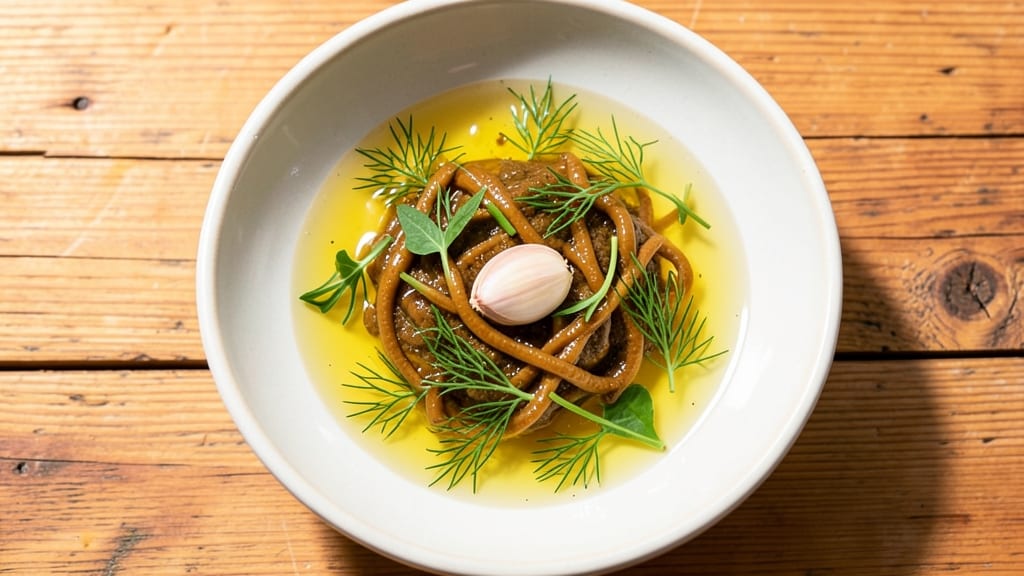
This China Coast salad dressing recipe transforms simple ingredients into a vibrant, citrusy herb vinaigrette that brings coastal brightness to any dish. 💛 The secret lies in balancing sharp lemon juice with aromatic herbs and a touch of umami from Dijon mustard—no mayo needed.
I developed this after craving a dressing that could stand up to bold flavors while keeping things light and refreshing.
What makes this dressing special is its versatility. It elevates everything from crisp seafood salads to grilled vegetables, and its tangy profile cuts through rich ingredients beautifully. The recipe relies on just a handful of pantry staples, yet delivers restaurant-quality results with minimal effort.
The key is emulsifying the oil and vinegar properly for a silky texture that coats every bite.
By the time you whisk together the ingredients, you’ll have a dressing that’s bright, herbaceous, and packed with citrusy depth. It’s the kind of sauce that turns a simple salad into a standout dish—perfect for summer meals or as a marinade for grilled proteins.
The best part? It stays fresh in the fridge for up to a week, so you can make a batch and use it all week long.
Whether you’re dressing a seafood platter, drizzling over roasted vegetables, or using it as a dip, this dressing delivers a coastal-inspired flavor that’s both elegant and approachable. Let’s make it—your taste buds will thank you.
Ingredients for china coast salad dressing
Just nine ingredients for a dressing that tastes like you spent hours perfecting it.
| Ingredient | Amount | Notes |
|---|---|---|
| Extra-Virgin Olive Oil 🫒 | ¾ cup | Light and fruity preferred |
| Fresh Lemon Juice 🍋 | ½ cup | Freshly squeezed from 2-3 lemons |
| Dijon Mustard 🍯 | 1 tbsp | Mild or strong depending on preference |
| Fresh Dill 🌿 | ¼ cup | Chopped finely, stems removed |
| Fresh Tarragon 🌿 | 0.15 cup | Chopped, or substitute with basil |
| Garlic Cloves 🧄 | 2 cloves | Minced finely for subtle flavor |
| White Wine Vinegar 🍷 | 2 tbsp | Dry variety preferred |
| Sea Salt 🧂 | 1 tsp | Diamond Crystal preferred |
| Black Pepper 🌶️ | ½ tsp | Freshly ground for best flavor |
The herbs are where the magic happens. Fresh dill and tarragon give that signature coastal vibe—don't even think about using dried. I grab mine from the grocery store's refrigerated section (the Whole Foods or Trader Joe's varieties are my go-tos). If you can't find tarragon, basil works in a pinch, though it changes the flavor profile a bit. The olive oil should be light and fruity—California olive oil brands like Corto or Bertolli are perfect. Avoid the heavy extra-light olive oils—they won't emulsify well.
No Dijon? Yellow mustard works at half the amount, though it'll be less complex. Short on fresh herbs? Dried dill at one-quarter the amount gets you close, but it won't have that same bright punch. The garlic can be roasted for a milder taste (just toss whole cloves in a 400°F oven for 10 minutes before mincing). For a sweeter touch, add 1 tsp honey or agave—local honey adds a nice floral note. And if you're making this ahead, store the vinegar and lemon juice separately until ready to mix—they'll keep longer.
This dressing stays fresh for up to 1 week in the fridge, but the flavor actually improves after a day or two as everything melds. I like to store it in a glass jar with a tight seal—shake well before each use. The oil will separate, but that's totally normal. For extra shelf life, add a pinch of xanthan gum (just 1/8 tsp) when whisking—it helps the emulsion last longer. Freezes beautifully too, though texture might change slightly. Perfect for meal prep!
Why You'll Love This Recipe
- Five-Ingredient Magic: This dressing comes together with just a whisk and a jar—no fancy tools, no stress. Honestly, I’ve made it while waiting for pasta to boil, and it still tastes like I spent an hour in the kitchen.
- Bright & Herby Zing: That fresh tarragon and dill? They cut through greens like a summer breeze, while the Dijon mustard adds just enough bite to make it unforgettable. It’s the kind of flavor that makes you reach for seconds without thinking.
- Weeknight & Picnic Hero: Drizzle it on grilled chicken, toss it with roasted veggies, or pack it in a jar for a no-fuss picnic. Between us, it’s my go-to for anything that needs a little pep—even sad store-bought salads get a glow-up.
- Makes Extra, Costs Less: A little goes a long way, and since it keeps for days in the fridge, I end up using it on everything. Plus, buying fresh herbs in bulk is cheaper than pre-made dressings—this recipe pays for itself in three uses.
Step-by-step instructions for China Coast salad dressing
Here's how to whip up this bright, herbaceous vinaigrette that's perfect for seafood, greens, or grilled veggies.
👨🍳 Step 1: Prep All Ingredients for Maximum Flavor
Start by finely chopping the 0.25 cup fresh dill and 0.15 cup fresh tarragon—remove any woody stems first. I like to use a sharp chef's knife and chop them separately before combining, so you can taste and adjust the herb balance later. Mince the 2 cloves garlic until you can barely see the pieces—this ensures a subtle, even flavor rather than overpowering bites.
Fresh lemon juice is key here, so squeeze 0.5 cup from 2-3 lemons. I always roll the lemons on the counter first to help extract more juice. Save the zest for garnishes if you like—it adds a bright pop of color. Measure out the 0.75 cup extra-virgin olive oil and 2 tbsp white wine vinegar next. The oil should be light and fruity to complement the citrus notes.
🍳 Step 2: Whisk Together Wet Ingredients First
In a medium bowl, combine the 0.5 cup fresh lemon juice, 2 tbsp white wine vinegar, 1 tbsp Dijon mustard, 1 tsp sea salt, and 0.5 tsp black pepper. Whisk vigorously for about 30 seconds until the salt and mustard are fully dissolved—this prevents graininess in your dressing. The mixture should look smooth and slightly thickened from the mustard.
Here's the thing—if your lemon juice is particularly acidic, you might want to add a tiny splash of water or a pinch more salt to balance it. Taste as you go, but remember the herbs and oil will mellow the acidity later. The goal is a tangy base that's bright but not overpowering.
🥘 Step 3: Slowly Incorporate the Olive Oil
With the whisk still going, very slowly drizzle in the 0.75 cup extra-virgin olive oil while whisking continuously. This is where the magic happens—adding the oil gradually creates an emulsified dressing that won't separate. Start with just a few drops at first, then increase to a steady stream as the mixture begins to thicken slightly.
Keep whisking for about 2-3 minutes total until the dressing looks creamy and satiny. It should coat the back of a spoon without being too thick. If it starts to look like it's breaking (oil separating), whisk in another teaspoon of lemon juice or vinegar to re-emulsify. Don't rush this step—proper emulsification makes all the difference.
👨🍳 Step 4: Fold in the Herbs and Garlic
Once the base is emulsified, remove the whisk and use a silicone spatula to gently fold in the chopped dill, tarragon, and garlic. Stir just until combined—overmixing can bruise the herbs and release bitter flavors. Taste and adjust seasoning if needed; you might want a bit more salt or pepper depending on your herbs.
Here's where it gets fun—give it a quick taste test. The dressing should be bright, herby, and slightly tangy with a smooth finish from the olive oil. If it's too strong, add a splash more oil; if too mild, stir in another teaspoon of lemon juice. The perfect balance is what makes this dressing shine over grilled fish or fresh greens.
⏰ Step 5: Rest and Serve
Let the dressing sit at room temperature for 10-15 minutes before using. This resting time allows all the flavors to meld together beautifully. If you're making it ahead, store it in an airtight jar in the fridge for up to 5 days—just give it a good shake before using, as the herbs might settle.
This dressing works wonders on everything from seafood platters to mixed greens salads. The herbs add a fresh, almost coastal vibe that pairs perfectly with grilled shrimp or summer vegetables. And don't worry if it separates slightly in the fridge—just give it a quick whisk when you're ready to use it, and it'll come back together like new.
Pro Tips For Making China Coast Salad Dressing
- STRAIN THE MUSTARD: Whisk the Dijon into the lemon juice first—it dissolves better when wet, and you’ll avoid those stubborn clumps later. I used to force it through a sieve after mixing, but this way, it blends smoother the first time.
- USE COLD OIL: Chill the extra-virgin olive oil in the fridge for 10 minutes before adding it to the dressing. Cold oil emulsifies more easily with the citrus and herbs, and the dressing won’t separate as quickly once tossed with greens.
- CHOP HERBS FINE: Pulse the dill and tarragon in a food processor for 3-4 seconds—just enough to break them down, not turn them to paste. Too coarse, and the flavors hide; too fine, and they turn bitter. Aim for tiny, even bits.
- TASTE BEFORE DILUTING: Skip the water or extra oil until you’ve tasted the base mixture. The dressing should balance bright, tangy, and herby—if it’s too sharp, a splash of water thins it; if too mild, a drizzle of oil rounds it out. Guessing leads to regret.
Make-ahead tips for china coast salad dressing
Prep Ahead Strategy
Make this dressing 2-3 days in advance for the best flavor development. The herbs and citrus mellow beautifully over time, creating a more cohesive taste.
I like to store the wet ingredients (lemon juice, vinegar, mustard, salt, and pepper) separately from the dry ingredients (herbs and garlic) in two small airtight containers. This prevents the herbs from wilting and keeps everything fresh longer. 💛
Herb Prep Shortcut
Save time by pre-chopping your herbs and garlic up to 2 days ahead and storing them in a sealed container in the fridge. I keep them in a small glass jar with a tight lid—this preserves their color and flavor better than plastic.
When ready to make the dressing, just grab the prepped herbs and add them to the emulsified base. This trick cuts prep time in half! 🌿
Storage Containers
Use a glass jar with a tight-sealing lid (like a Ball mason jar) for storage—it’s the best option for keeping the dressing fresh and preventing contamination. I avoid plastic containers because they can absorb odors and flavors over time.
For portion control, divide the dressing into smaller jars so you only take out what you need. This also helps maintain the emulsion longer. ✨
Freezing for Later
This dressing freezes beautifully for up to 3 months, making it perfect for meal prep. Portion it into ice cube trays before transferring to a freezer bag—this way, you can thaw just what you need without defrosting the whole batch.
When ready to use, thaw overnight in the fridge and give it a good whisk to restore its creamy texture. The flavor might be slightly muted after freezing, but it’s still delicious! ❄️
Reusing Leftover Dressing
If you have leftover dressing, don’t toss it—repurpose it! Use it as a marinade for grilled fish or shrimp, or drizzle it over roasted vegetables for extra flavor. It also makes a fantastic dip for crudités or freshly baked bread.
Just give it a quick whisk to re-emulsify before using, and it’ll taste as fresh as the day you made it. 💡
Flavor Boost Before Serving
For an extra burst of freshness, add a splash of fresh lemon juice or a pinch of flaky sea salt just before serving. This brightens up the dressing and makes it taste like it was just made.
I also like to garnish with a few lemon zest strips or extra chopped herbs for a pop of color and texture. It’s these little touches that elevate the dressing from good to restaurant-quality! 🍋
Nutrition facts
Frequently asked questions
Can I substitute white wine vinegar with apple cider vinegar?
Yes, you can use apple cider vinegar as a substitute, but the flavor will be slightly sweeter and more mellow. For a closer match to the original recipe, use a 1:1 ratio, but consider adding an extra ½ teaspoon of Dijon mustard to compensate for the milder acidity. The dressing will still work well, especially for heartier salads or grilled dishes.
How do I fix a dressing that's too thick or separated?
If your dressing is too thick, whisk in 1-2 teaspoons of water or more lemon juice until it reaches a pourable consistency. For separation, simply whisk vigorously for 1-2 minutes—the mustard and vinegar will help re-emulsify the oil. If it still doesn't come together, add another ½ teaspoon of Dijon mustard and whisk again. This happens occasionally with vinaigrettes, but it's easily fixed!
What are the best herbs to use if I can't find tarragon?
If tarragon isn't available, try basil or chives for a similar fresh, slightly sweet note. For a more robust flavor, use 1 tablespoon of fresh thyme or 1 teaspoon of dried oregano (reduce dried herbs by ⅓). The key is balancing the herbs with the citrus—start with less and adjust to taste. Basil works best for a Mediterranean twist, while thyme adds an earthier coastal vibe.
Can I make this dressing without Dijon mustard?
Use 1 tablespoon of yellow mustard as a substitute, but reduce it to ½ tablespoon if you prefer a milder flavor. For a mustard-free version, add 1 teaspoon of honey or maple syrup to balance the acidity and help emulsify the dressing. The texture will be slightly thinner, but it'll still taste bright and herby.
How much dressing should I make for a seafood salad?
For a standard 8-10 inch salad bowl with mixed greens and seafood, this recipe makes about 1½ cups—enough for 2-3 servings. For a seafood platter with shrimp, scallops, and crab, double the recipe. The dressing-to-food ratio should be roughly 2 tablespoons per serving, but