
Salads
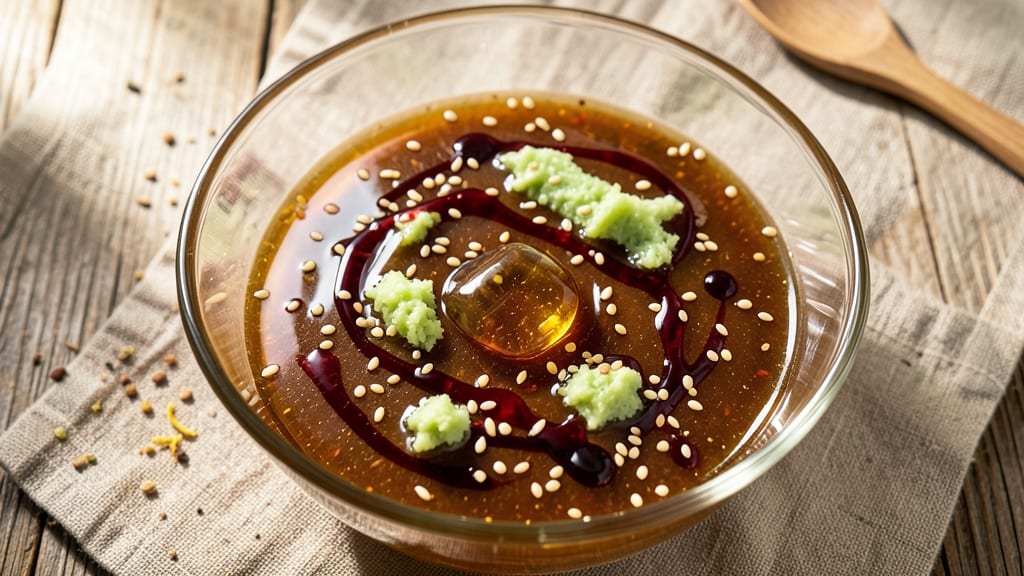
This Chinese cabbage salad dressing recipe transforms simple greens into a vibrant, flavor-packed dish with just 5 ingredients and 10 minutes of prep. The secret lies in balancing tangy rice vinegar, nutty sesame oil, and zesty ginger for a dressing that's bright yet complex—perfect for Asian-inspired salads or as a marinade. I developed this after realizing store-bought versions lacked the depth of homemade, where fresh herbs and toasted sesame seeds elevate every bite.
The magic happens when you whisk together rice vinegar, soy sauce, and a touch of honey for natural sweetness, then fold in sesame oil and grated ginger. This combination creates a dressing that clings beautifully to crisp cabbage leaves while adding layers of umami and freshness.
The toasted sesame seeds add texture and aroma, making this dressing far more interesting than basic vinaigrettes.
What makes this dressing special is its versatility—it works equally well on Chinese cabbage, shredded carrots, or even as a dip for spring rolls. The ginger adds a subtle kick that pairs perfectly with the cabbage's natural crunch, while the sesame oil brings richness without overpowering.
Once you taste the difference, you'll never go back to bottled versions.
For best results, whisk the dressing just before serving to maintain its vibrant color and fresh flavor. Store any leftovers in the fridge for up to 5 days, though I rarely have any lasting that long.
This is the kind of simple yet sophisticated dressing that makes every salad feel like a restaurant-quality meal.
Ingredients for chinese cabbage salad dressing
Five simple ingredients transform into a dressing that elevates every Asian-inspired salad.
| Ingredient | Amount | Notes |
|---|---|---|
| Rice Vinegar 🍶 | ½ cup | Light or seasoned variety |
| Soy Sauce 🍶 | 2 tbsp | Low-sodium preferred |
| Honey 🍯 | 1 ½ tbsp | Wildflower or clover preferred |
| Sesame Oil 🫒 | 2 tbsp | Toasted for nutty flavor |
| Fresh Ginger 🧄 | 1 tbsp | Finely grated, fresh preferred |
| Toasted Sesame Seeds 🌾 | 1 tbsp | For texture and aroma |
| Fresh Cilantro 🌿 | ¼ cup | Chopped, stems removed |
| Garlic Cloves 🧄 | 1 clove | Minced, optional for depth |
| Salt 🧂 | ½ tsp | Kosher or sea salt |
| Black Pepper 🌶️ | ¼ tsp | Freshly ground |
The rice vinegar is the backbone here—Kikkoman or Mushroom brands are my go-tos, but any light variety works. Fresh ginger is non-negotiable for that zesty kick (the jarred stuff just doesn't cut it). I grab mine at Trader Joe's or the produce section of any supermarket—the knobby ones last longer. For sesame oil, Kadoya is the gold standard, but the basic stuff at Walmart gets the job done. Toast your own sesame seeds in a dry pan for 2 minutes—they'll smell like heaven and add incredible texture. Pro tip: buy sesame seeds in bulk from Asian markets if you're making this often.
No rice vinegar? Apple cider vinegar works in a pinch, though it's tangier. Low-sodium soy sauce? Use regular, just cut the amount to 1.5 tbsp and add a pinch of salt. Honey too expensive? Maple syrup or agave nectar are perfect swaps—same sweetness, different flavor profile. Fresh ginger not an option? Powdered ginger at half the amount (so 0.5 tbsp) gives similar warmth. Want to skip the garlic? No problem—it's just for depth. The cilantro is optional but adds that fresh herb note that makes this dressing stand out—dried oregano at one-third the amount works if you're out.
This dressing stays vibrant for 5 days in the fridge, sealed tightly in a jar. I always make extra because it disappears fast—perfect for meal prep. For best texture, whisk just before using. The sesame seeds and cilantro keep best in the freezer (up to 3 months) if you're prepping ahead. Store the dressing without the seeds/herbs separately and mix them in right before serving to keep everything fresh. Trust me, it's worth the extra minute.
Why You'll Love This Recipe
- Five-Ingredient Magic: I swear by this combo—just vinegar, soy, honey, sesame oil, and ginger. No fancy gadgets, no last-minute grocery runs. Honestly, I keep the ingredients in my pantry just for this.
- Umami Bomb: That first splash of soy sauce and sesame oil? Instant flavor explosion. The ginger adds a zing that cuts through the sweetness—like a little wake-up call for your taste buds.
- Meal Prep MVP: Make a big batch on Sunday, and you’ve got dressing for salads, noodles, or even grilled chicken all week. I’ll be real: It’s my secret for keeping lunches exciting without extra effort.
- Budget Brightener: Fresh ginger and sesame oil might seem fancy, but a little goes a long way. This dressing costs me pennies per serving—way cheaper than store-bought—and lasts forever in the fridge.
Step-by-step instructions for sesame-ginger dressing
This vibrant dressing comes together in minutes with bold Asian flavors.
Combine Wet Ingredients in a Bowl
In a medium bowl, pour in the 0.5 cup rice vinegar and 2 tablespoons soy sauce. Add the 1.5 tablespoons honey and 2 tablespoons sesame oil, then whisk vigorously for about 30 seconds until everything is fully incorporated. The mixture will look smooth and slightly syrupy at this stage.
I like to use a fork first to break up any honey clumps, then switch to a whisk for a completely homogeneous texture. The vinegar and soy sauce will create a tangy base that balances the sweetness of the honey perfectly. Don't rush this step—proper mixing ensures no pockets of undissolved honey remain.
Add Aromatics and Seasonings
Next, add the 1 tablespoon finely grated fresh ginger, 1 minced garlic clove (if using), 0.5 teaspoon salt, and 0.25 teaspoon black pepper to the bowl. Stir everything together with a spoon until the ginger and garlic are fully distributed throughout the dressing. You'll notice the mixture becoming more aromatic and slightly thicker.
The ginger should be freshly grated for maximum zing—pre-grated ginger loses its potency quickly. If you're using garlic, mincing it finely ensures it blends smoothly without any noticeable chunks. At this point, taste the mixture—it should be tangy, slightly sweet, and aromatic with a hint of spice.
Incorporate Fresh Cilantro and Sesame Seeds
Gently fold in the 0.25 cup chopped fresh cilantro and 1 tablespoon toasted sesame seeds using a silicone spatula. Be careful not to overmix—just enough to distribute the herbs and seeds evenly. The cilantro adds freshness while the sesame seeds contribute a nutty crunch and visual appeal.
Here's where the dressing really comes alive. The cilantro should be chopped finely enough to distribute evenly without making the dressing look speckled. The sesame seeds will add texture, so save some for garnishing if you like. Give it one final taste—you might want to adjust the balance between sweet, salty, and tangy by adding a touch more honey or rice vinegar if needed.
Let It Rest and Adjust Consistency
Cover the bowl with plastic wrap and let the dressing sit at room temperature for 5-10 minutes. This resting period allows all the flavors to meld together completely. After resting, give it one final stir and taste again. The flavors should now be perfectly balanced and harmonious.
If the dressing is too thick for your preference, thin it out with 1-2 teaspoons of water or a splash of rice vinegar. For extra richness, you can add 1 teaspoon of sesame oil. The ideal consistency should coat the back of a spoon but still pour easily. This dressing is best used fresh, so plan to use it immediately or store it in the refrigerator for up to 5 days in an airtight container.
Pro Tips For Making Chinese Cabbage Salad Dressing
- STEAM THE GINGER: Skip the grating—slice it paper-thin (about 1/16-inch) and let it sit in the dressing for 10 minutes. The heat releases more flavor without bitterness, and you avoid the gritty texture that comes from grating. (Yes, even if you’re impatient like me, wait—it makes a real difference.)
- MIX IN SESAME OIL LAST: Add sesame oil after everything else is combined, then give it a quick toss. Stirring it in early turns your dressing into a greasy mess, and that nutty aroma gets lost. A few drops at the end keep it bright and aromatic—just like takeout.
- USE COLD HONEY: Chill your honey in the fridge for 30 minutes before mixing. Warm honey blends into the dressing like syrup, making it cloying. Cold honey keeps its texture and sweetness sharp, balancing the vinegar and soy sauce properly. (Trust me, your taste buds will notice.)
- DILUTE THE SOY SAUCE: Thin the soy sauce with 1-2 teaspoons of water or vinegar before adding it to the dressing. Undiluted soy sauce clumps and overpowers the other flavors, turning your dressing into a salty sludge. A quick dilution keeps it smooth and cohesive—no one wants a gluey salad.
Dietary considerations for this chinese cabbage salad dressing
Gluten-Free Adaptations
This dressing is naturally gluten-free as long as you use certified gluten-free soy sauce (like Kikkoman Gluten-Free Tamari). Regular soy sauce often contains wheat, so always check the label. I’ve tested this with San-J Tamari and found it adds even deeper umami flavor without any gluten risk. 🌾
Low-Sodium Options
For a low-sodium version, reduce the soy sauce to 1 tablespoon and add ¼ teaspoon extra salt to compensate. Alternatively, swap in coconut aminos (like Coconut Secret) for a naturally low-sodium, gluten-free alternative with a slightly sweeter profile. The honey and rice vinegar will still balance the flavors beautifully.
Vegan and Dairy-Free
This dressing is already 100% plant-based, making it perfect for vegan diets. The sesame oil, honey (or maple syrup), and soy sauce all align with vegan standards. For extra richness, I sometimes add 1 teaspoon of tahini to the dressing—it deepens the nutty flavor while keeping it dairy-free. 🌱
Nut-Free Variations
If you’re avoiding nuts due to allergies, simply omit the sesame oil and seeds and replace them with 1 extra tablespoon of olive oil and ½ teaspoon of ground flaxseed for texture.
The dressing will still have a bright, tangy profile without the nutty depth. Always check labels on sesame-free products to avoid cross-contamination.
Sweetness Adjustments
For a lower-sugar option, reduce the honey to 1 tablespoon and add ½ teaspoon of rice vinegar to compensate for the lost sweetness. Alternatively, use monk fruit sweetener (like Lakanto) at half the honey amount—it dissolves smoothly and adds no glycemic impact.
The dressing will still taste balanced and vibrant.
Storage for Dietary Needs
Store this dressing in an airtight glass container (like Le Parfait jars) in the fridge for up to 5 days. For nut-free or gluten-free versions, label the container clearly to avoid mix-ups.
If you’re prepping ahead, store the sesame seeds and cilantro separately—add them fresh before serving to maintain texture and flavor. ✨
Nutrition facts
Frequently asked questions
Can I make this dressing without sesame oil?
Swap the 2 tablespoons sesame oil for 2 tablespoons neutral oil like avocado or light olive oil. For extra flavor, add ½ teaspoon toasted sesame paste (if nut-free) or 1 teaspoon tahini. The dressing will still be delicious—just slightly less nutty.
How much dressing should I make for a standard Chinese cabbage salad?
This recipe yields about ½ cup of dressing—perfect for a 12-ounce head of Chinese cabbage (shredded). For a larger salad (like with added carrots or edamame), double the recipe. The ratio works well for 4-6 servings when paired with other crunchy veggies.
Why does my dressing look cloudy or separated?
Cloudiness usually means the sesame oil and vinegar haven't fully emulsified. Whisk more vigorously for 1-2 minutes or add ½ teaspoon Dijon mustard to help bind the ingredients. If it separates, just stir before using—the flavors will still be great! For extra insurance, chill the dressing for 10 minutes before serving.
Can I use this dressing on other vegetables besides cabbage?
This dressing works beautifully on shredded carrots, bell peppers, or cucumbers for an Asian-inspired crudité platter. It also makes a fantastic dip for spring rolls, rice paper rolls, or grilled tofu. For heartier dishes, drizzle it over steamed bok choy or stir-fried greens—the ginger and sesame add incredible depth.
How do I make this dressing spicier?
Add ½ teaspoon of sriracha, ¼ teaspoon red pepper flakes, or 1 teaspoon of chili garlic sauce to the wet ingredients before whisking. For a smoky kick, include ½ teaspoon of smoked paprika with the garlic. Start with half the amount and adjust to taste—this dressing is already bold, so spice builds gradually.