
Sauces & Condiments
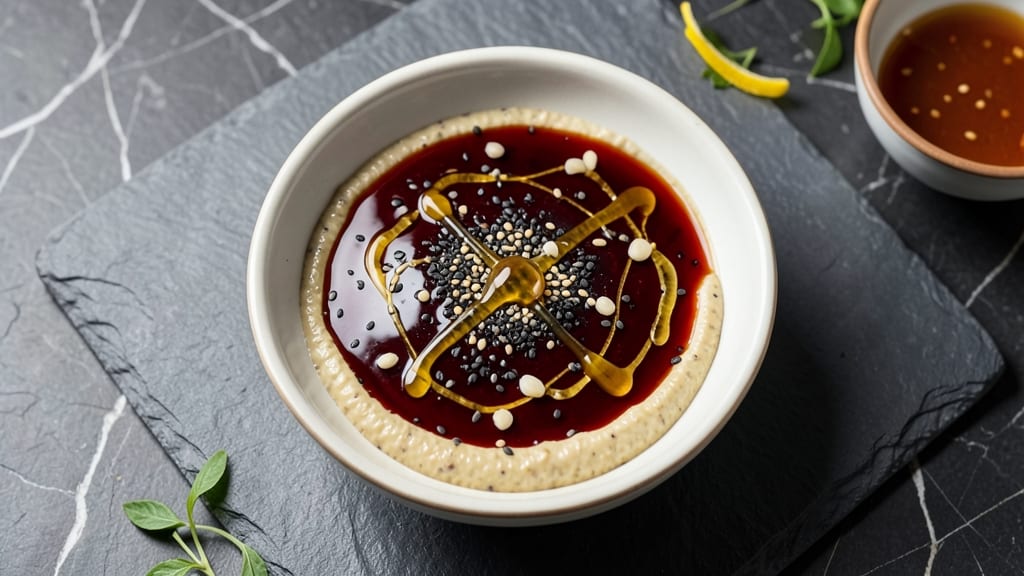
This Chinese soy sauce salad dressing transforms simple greens into vibrant, umami-packed bowls with just five ingredients. The secret lies in balancing salty soy sauce with bright vinegar and aromatic sesame oil, creating a dressing that clings perfectly to lettuce, noodles, or grilled vegetables.
I developed this recipe after years of testing—it's the one that finally made my takeout-style salads taste homemade.
The foundation starts with a simple emulsion of soy sauce, rice vinegar, and a touch of honey for depth. Toasted sesame oil adds nutty richness, while a splash of sesame paste creates that signature Asian flavor complexity.
Unlike store-bought versions, this dressing stays fresh for up to two weeks in the refrigerator, maintaining its bold flavors without separation.
What you'll end up with is a glossy, aromatic dressing that enhances rather than overpowers your dishes. It's versatile enough for quick weeknight salads or elegant dinner parties, pairing beautifully with everything from steamed greens to cold soba noodles.
The umami richness comes through in every drizzle, making even simple ingredients taste extraordinary.
For an extra layer of flavor, try adding a pinch of red pepper flakes or a squeeze of fresh lime juice. This dressing is your secret weapon for restaurant-quality Asian-inspired meals at home—simple to make, impossible to resist.
Ingredients for chinese salad dressing recipe with soy sauce
Five simple ingredients create this restaurant-quality dressing that elevates any Asian-inspired dish.
| Ingredient | Amount | Notes |
|---|---|---|
| Light Soy Sauce 🥢 | ½ cup | High-quality brand for balance |
| Rice Vinegar 🍶 | ¼ cup | Seasoned or plain works |
| Toasted Sesame Oil 🫒 | 1 tbsp | Nutty aroma essential |
| Sesame Paste 🥜 | 1 tbsp | Unsweetened for authentic taste |
| Honey 🍯 | 1 tbsp | For subtle sweet depth |
| Garlic Cloves 🧄 | 1 clove | Minced for subtle garlic flavor |
| Fresh Ginger 🌿 | ½ tsp | Finely grated for zing |
| Water 💧 | ¼ cup | For thinning consistency |
| Salt 🧂 | ½ tsp | Adjust to taste |
The soy sauce is your flavor anchor—Kikkoman or Pearl River Bridge are my go-tos, but any light soy will work. Rice vinegar should smell bright and tangy; Mushroom or seasoned vinegar adds complexity. Toasted sesame oil is a must—La Choy or Kadoya brands are reliable. For sesame paste, Asian markets carry the unsweetened kind (check the label). The honey? Local raw honey adds subtle floral notes, but any variety works. Fresh ginger and garlic? Peel and grate the ginger with a microplane, and mince the garlic finely—no need to go overboard.
No soy sauce? Coconut aminos in a pinch, though the flavor will differ slightly. Short on sesame oil? Toasted peanut oil mimics the nutty profile. The dressing separates if you skip the water—it helps emulsify everything. For extra heat, add a pinch of red pepper flakes or a squeeze of lime juice. Want it sweeter? Swap honey for maple syrup. If you're making this ahead, shake before each use—the flavors meld beautifully overnight.
Store in an airtight jar in the fridge for up to 2 weeks. The flavors actually improve after a day or two. For longer storage, freeze in ice cube trays—thaw and shake before using. This dressing clings perfectly to greens, noodles, or grilled veggies. Double the batch—you’ll want leftovers.
Why You'll Love This Recipe
- Five-Ingredient Magic: I swear by this combo—just stir, taste, adjust. No straining herbs, no fancy techniques, just a whisk and a jar. Honestly, I’ve made it while waiting for takeout to arrive.
- Umami Bomb: That first splash of light soy sauce hits different—salty, deep, but balanced by honey’s sweetness. The sesame paste? It’s the secret weapon—nuttiness that lingers like a good memory.
- Lunchbox Hero: Drizzle it over prepped greens, toss with cold noodles, or even slather on grilled chicken. Between us, I’ve used it for breakfast (yes, on avocado toast) and it still tastes spot-on.
- Pantry Goldmine: Toasted sesame oil lasts forever, and a single bottle of soy sauce stretches across so many meals. Make a double batch—it’s my go-to for last-minute salads when I’ve got nothing but wilted lettuce and a craving.
Step-by-step instructions for Chinese soy sauce salad dressing
Here's how to blend this bold, aromatic dressing that elevates every Asian-inspired dish.
Mince Garlic and Grate Ginger
Start by mincing the 1 clove of garlic cloves into tiny pieces—think about the size of a grain of rice. This ensures the garlic flavor distributes evenly without overpowering. I like to use the flat side of my chef's knife to press down gently after each chop, which gives me more control.
Next, finely grate the 0.5 teaspoon of fresh ginger using a microplane or the smallest holes on a box grater. You want the ginger to be almost paste-like in texture. The key here is to use fresh ginger—it adds a bright, zesty kick that dried ginger just can't match. If you're using a pre-grated ginger, make sure it's fresh and not dried.
Whisk Together Wet Ingredients
In a medium bowl, combine the 0.5 cup of light soy sauce, 0.25 cup of rice vinegar, 1 tablespoon of honey, and 0.25 cup of water. Give it a quick stir to mix everything together. The soy sauce and rice vinegar form the base of this dressing, creating that signature umami and tangy balance.
Now add the minced garlic and grated ginger to the bowl. Stir well to incorporate these aromatics completely. Let the mixture sit for about 2 minutes—this allows the garlic and ginger to infuse and soften slightly, which prevents a harsh bite when you taste it later.
Incorporate Sesame Oil and Paste
Add the 1 tablespoon of toasted sesame oil and 1 tablespoon of sesame paste to the bowl. The toasted sesame oil brings that nutty aroma, while the sesame paste adds a thicker, more authentic texture. I like to whisk vigorously for about 30 seconds to fully emulsify everything—this is where the dressing starts to come together.
At this point, you might notice the mixture looks a bit thick. That's normal! The sesame paste and honey are natural thickeners. If you prefer a thinner consistency for drizzling, you can add a splash more water, but I find this ratio works perfectly for most applications.
Season and Taste
Add the 0.5 teaspoon of salt and whisk again to combine. Taste the dressing and adjust the seasoning if needed. You might want to add a bit more soy sauce for saltiness, a touch more honey for sweetness, or even a splash of rice vinegar for tang. Remember, this dressing should balance all those flavors—umami, sweet, tangy, and nutty.
If you're using this dressing right away, you can use it immediately. But if you're making it ahead, let it sit for at least 10 minutes to allow the flavors to meld together even more. This resting time makes a noticeable difference in how cohesive and delicious the dressing tastes.
Pro Tips For Making Chinese Salad Dressing Recipe With Soy Sauce
- STIR IN STAGES: Mix the soy sauce and rice vinegar first—this prevents clumping when you add the sesame paste later. I learned this the hard way after watching my dressing turn into a grainy mess when I dumped everything in at once.
- USE FRESH SESAME PASTE: Store-bought paste gets rancid fast. Toast your own sesame seeds (5 minutes in a dry pan, stirring constantly) and grind them fresh—it makes a noticeable difference in flavor. Yes, it takes 10 minutes, but your salad will taste like it came from a dim sum cart.
- DILUTE THE SESAME OIL: Add toasted sesame oil last and sparingly—just 1 teaspoon at a time. Too much upfront will overwhelm the other flavors. Taste as you go; you can always add more, but you can’t take it out.
- SWEETEN WITH MODERATION: Honey’s job is to balance, not dominate. Start with 1 teaspoon and adjust—too much turns your dressing into syrup. If your salad’s already sweet (like with mango or pineapple), cut the honey in half and boost the vinegar for tang instead.
Make-ahead tips for this chinese salad dressing recipe with soy sauce
Batch Prep Secrets
Make this dressing in large batches—it’s perfect for meal prep! I double the recipe and store it in a 16-ounce glass jar with a tight-sealing lid. The flavors actually deepen over 24 hours, making it ideal for busy weeks.
Just shake well before each use to redistribute the sesame oil, which naturally rises to the top. 💫
Freezer-Friendly Trick
For long-term storage, freeze the dressing in 1-tablespoon portions using ice cube trays. Once frozen, transfer the cubes to a ziplock bag and flatten for easy stacking. Thaw overnight in the fridge—no microwave needed! This works especially well for dressing individual salads or marinating proteins like chicken or tofu. 🧊
Flavor Boosting Hacks
Want extra depth? Add 1 teaspoon of white miso paste to the wet ingredients for umami richness. For a smoky twist, stir in ½ teaspoon of smoked paprika after whisking.
I also love adding 1 teaspoon of lime juice right before serving—it brightens the dressing and cuts through rich dishes like fried rice. 🍋
Storage Containers
Use amber glass jars to protect the dressing from light, which can degrade the sesame oil over time. Avoid plastic containers—they absorb odors and can alter the flavor. If you’re short on jars, sterilized mason jars from the dollar store work perfectly.
Label with the date to track freshness, though I’ve kept mine for up to 3 weeks without issues. ✨
Thickening Adjustments
If the dressing separates after refrigeration, whisk in 1 teaspoon of water or ½ teaspoon of cornstarch slurry (mix ½ tsp cornstarch with 1 tsp water). For a thicker consistency, reduce the water by 1 tablespoon in the recipe.
I’ve found that adding ½ teaspoon of xanthan gum (a pinch!) helps stabilize the emulsion for up to 4 weeks in the fridge. 💡
Weeknight Prep Plan
Make this dressing on Sunday mornings while coffee brews—it’s a great way to start the week ahead. Store it in the fridge for quick assembly of lunches or dinners. Pair it with pre-cut veggies, cooked grains, or marinated proteins for effortless meals.
Pro tip: Keep a small jar in your fridge and one in your pantry for emergencies—trust me, you’ll be glad you did! 🏃♀️
Nutrition facts
Frequently asked questions
Can I substitute dark soy sauce for light soy sauce in this recipe?
Yes, but expect a darker, richer color and slightly deeper umami flavor. Use the same amount, but know it may stain lighter salads. For a balanced look, reduce dark soy sauce by 1 tablespoon and add 1 tablespoon of light soy sauce to maintain the original brightness.
Why does my dressing separate after refrigeration?
Sesame oil naturally rises to the top when chilled—this is normal! Before using, whisk vigorously for 10-15 seconds or shake the jar. For a thicker, more stable dressing, reduce water by 1 tablespoon or add ½ teaspoon xanthan gum when making it.
How can I make this dressing spicier?
Add ½ teaspoon of red pepper flakes or 1 teaspoon of sriracha to the wet ingredients. For a smoky kick, stir in ½ teaspoon smoked paprika after whisking. Start with half the amount and adjust to taste—this dressing packs bold flavors already!
Is this dressing vegan?
Yes! All ingredients are naturally vegan. For extra protein, drizzle over tofu bowls or veggie stir-fries. Just ensure your soy sauce is vegan-certified (some contain fish-based additives). The sesame paste and honey are also vegan-friendly in this recipe.
Can I use this dressing on non-salad dishes?
It's perfect for marinating proteins like chicken or tofu, glazing grilled veggies, or even drizzling over ramen or pho. The umami richness enhances any Asian-inspired dish. For marinades, reduce the water by 2 tablespoons to prevent sogginess.