
Salads
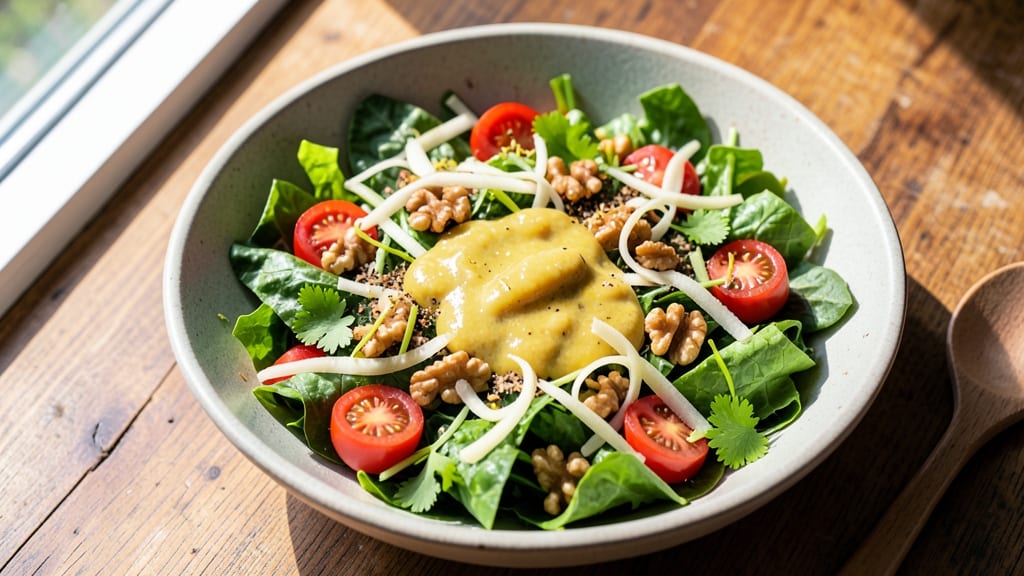
This chopped salad vinaigrette recipe transforms simple greens into a flavor explosion with just five ingredients and a bold Dijon mustard base. The secret lies in balancing acidity, richness, and herbs—creating a dressing that clings to every bite without overpowering the fresh vegetables.
I developed this version after testing dozens of salads, and it consistently delivers that perfect tangy-sweet harmony.
The foundation is a simple emulsification technique that keeps the dressing silky rather than separating. High-quality olive oil and apple cider vinegar form the base, while Dijon mustard adds depth and helps bind the mixture.
Fresh garlic and herbs (like parsley or chives) bring brightness, ensuring every leaf gets coated in flavor. This dressing works equally well on kale, spinach, or mixed greens.
What makes this recipe stand out is its versatility and longevity—it stays fresh in the fridge for up to a week, making it perfect for meal prep. The bold Dijon mustard base cuts through rich ingredients like avocado or nuts, while the acidity balances heartier greens like arugula.
Whether you're prepping for the week or dressing a last-minute salad, this vinaigrette elevates every bite.
The key to success is proper emulsification—whisking vigorously and letting the dressing rest for 10 minutes before using. This allows flavors to meld and the texture to stabilize. Store it in an airtight container, and you’ll have a restaurant-quality dressing ready whenever you need it. Let’s get started!
Ingredients for chopped salad vinaigrette
Five ingredients create a restaurant-quality vinaigrette that balances acidity, richness, and herbaceous brightness.
| Ingredient | Amount | Notes |
|---|---|---|
| Extra-Virgin Olive Oil 🫒 | ¾ cup | High-quality, fruity variety preferred |
| Dijon Mustard 🌶️ | 3 tbsp | Whole grain for best texture |
| Apple Cider Vinegar 🍎 | ¼ cup | Raw, unfiltered preferred |
| Fresh Garlic Cloves 🧄 | 2 cloves | Minced for emulsification |
| Fresh Flat-Leaf Parsley 🌿 | ¼ cup | Finely chopped, stems removed |
| Kosher Salt 🧂 | ½ tsp | Diamond Crystal preferred |
| Freshly Ground Black Pepper 🌶️ | ¼ tsp | For finishing |
The olive oil is non-negotiable—look for extra-virgin with a harvest date within the last year. Trader Joe's or Whole Foods carry excellent options, but any reputable brand with a fruity aroma works. Dijon mustard provides the signature depth; Maille or Amora are reliable choices, but avoid powdered versions. Apple cider vinegar should be raw and unfiltered for complexity—Bragg or Texas Pete are widely available. Fresh garlic and parsley are essential for brightness; buy organic if possible to avoid bitterness from pesticides. Store-bought minced garlic lacks the freshness needed for proper emulsification.
No Dijon mustard? Yellow mustard thinned with water works in a pinch, though texture may suffer. Substitute apple cider vinegar with white wine vinegar or lemon juice, but adjust acidity to taste. For a nutty depth, add 1 tsp toasted walnuts or pecans to the final dressing. If fresh parsley is unavailable, dried parsley at one-third the amount suffices, though fresh is preferred. The garlic can be roasted for a sweeter flavor—simply wrap whole cloves in foil and bake at 400°F for 10 minutes before mincing.
Emulsify immediately after mixing to prevent separation. Store in an airtight glass container with a tight lid, submerged in vinegar or covered with a thin layer of olive oil to preserve freshness. This dressing remains stable for up to 7 days in the refrigerator. For meal prep, portion into small jars—1/4 cup servings work perfectly for individual salads. Shake vigorously before each use to re-emulsify.
Why You'll Love This Recipe
- Five-Ingredient Magic: I swear by this combo—just oil, mustard, vinegar, garlic, and parsley. No fancy gadgets, no measuring cups (okay, maybe one), and it’s ready while you’re still debating what to eat for dinner.
- Garlic-Parsley Punch: That raw garlic and bright parsley? It’s like a flavor hug for your salad. The Dijon mustard ties it all together—tangy, creamy, and just sharp enough to make every bite feel intentional.
- Prep-Ahead Powerhouse: Make a batch on Sunday, and you’ve got dressing for lunches, sandwiches, or even drizzled over roasted veggies all week. It keeps for days in the fridge, and honestly? That’s my kind of meal prep.
- Budget Brightener: Extra-virgin olive oil and vinegar stretch far, and a few cloves of garlic go a long way. You’re not breaking the bank here—just getting a dressing that tastes like you spent hours (but didn’t).
Step-by-step instructions for bold Dijon vinaigrette
This method delivers a perfectly emulsified dressing every time—rich, tangy, and balanced.
Whisk Together the Mustard and Vinegar
In a medium bowl, combine the 3 tablespoons Dijon mustard and ¼ cup apple cider vinegar. Use a fork or small whisk to break up any mustard lumps completely. The mustard acts as an emulsifier, binding the oil and vinegar for a stable, creamy texture. Let this mixture sit for 2-3 minutes—this resting period helps the mustard soften and blend more smoothly with the vinegar.
I always use whole-grain Dijon for its natural texture—it creates a slightly grainier but more complex dressing than smooth mustard. If you see any thick clumps after whisking, press them against the side of the bowl with the back of your fork until fully incorporated. This step is critical for preventing separation later.
Incorporate the Olive Oil Gradually
With the whisk moving continuously, slowly drizzle in the ¾ cup extra-virgin olive oil—start with just a few tablespoons at a time. This gradual approach prevents the dressing from breaking. You'll notice the mixture initially look like oil floating on top, but with steady whisking, it will begin to thicken and emulsify after about 1-2 minutes of continuous whisking.
The key here is patience. If you pour all the oil at once, you'll end up with a separated dressing. I like to pause after each addition to let the oil absorb before continuing. The final texture should be thick but pourable—like heavy cream. If it looks too thin, whisk in another teaspoon of Dijon mustard to help bind it further.
Add Garlic and Herbs for Depth
Stir in the 2 minced garlic cloves and ¼ cup finely chopped fresh flat-leaf parsley using a wooden spoon. The parsley adds brightness and freshness, while the garlic provides that essential savory backbone. Taste the mixture at this stage—it should be tangy and slightly garlicky, but not overpowering. This is your flavor baseline before adding salt and pepper.
I always use freshly minced garlic for maximum flavor impact. If you're concerned about bitterness, let the garlic sit with the dressing for 5 minutes before tasting again—the sharpness mellows slightly. The parsley should be finely chopped so it distributes evenly throughout the dressing without clumping.
Season and Emulsify
Add the ½ teaspoon kosher salt and ¼ teaspoon freshly ground black pepper, then whisk vigorously for another 30 seconds. The salt enhances all the flavors while balancing the acidity, and the pepper adds a subtle heat that cuts through the richness. At this point, the dressing should be fully emulsified—no oil separation should be visible when you let it sit for 1 minute.
For extra insurance against separation, I sometimes add 1 teaspoon of water at this stage. This creates a more stable emulsion, especially if you plan to store the dressing. Give it one final taste and adjust seasoning if needed—you might need a touch more salt to balance the acidity or another pinch of pepper for heat.
Rest and Serve
Let the dressing rest for 10 minutes before using. This resting period allows all the flavors to meld together and the emulsion to fully stabilize. During this time, I like to cover the bowl loosely with plastic wrap pressed directly onto the surface—this prevents a skin from forming while still allowing air circulation.
When ready to use, give the dressing one final whisk to ensure everything is evenly combined. The finished product should coat the back of a spoon and cling beautifully to chopped salad ingredients. For best results, use within 3 days when stored in an airtight container in the refrigerator. The flavors actually improve slightly after resting overnight, making it even more complex.
Pro Tips For Making Chopped Salad Vinaigrette
- Whisk in Stages: Start with the mustard and vinegar first—this emulsifies faster than dumping everything at once. Then drizzle in the olive oil slowly while whisking like you’re mixing a cocktail, not a soup. I learned this the hard way when my first batch split like a bad friendship.
- Mince, Don’t Chop, Garlic: Use the flat side of your knife to smash the garlic cloves first—this releases more flavor without burning. Then give it a quick, fine mince; you want it to dissolve into the dressing, not sit like a bitter pebble. (Yes, even if you’re impatient like me.)
- Salt the Mustard: Mix a pinch of salt into the Dijon mustard before adding vinegar—it balances the sharpness and keeps the dressing from tasting one-note. I skip this sometimes, and the garlic always fights for dominance.
- Pulse Parsley, Don’t Chop: Toss the parsley into a food processor and give it 2-3 quick pulses instead of chopping by hand. You’ll get a finer, more even texture without turning it into parsley dust. (Your future self will thank you.)
Health benefits of these flavors
Antioxidant-Rich Ingredients
This vinaigrette packs a nutritional punch thanks to its extra-virgin olive oil and apple cider vinegar, both loaded with polyphenols—powerful antioxidants that combat cell damage.
The olive oil provides vitamin E and healthy monounsaturated fats, while the vinegar contains acetic acid, which may help regulate blood sugar levels. Together, they create a dressing that’s not just flavorful but also supports long-term health. 💪
Herbaceous Brightness Boost
The fresh parsley in this recipe isn’t just for flavor—it’s a vitamin K powerhouse, with just ¼ cup providing over 100% of your daily needs. Vitamin K plays a crucial role in bone health and blood clotting, making this dressing a sneaky way to boost your nutrient intake.
Plus, parsley contains vitamin C, which supports immune function and skin health.
Garlic's Immune Support
Don’t underestimate the 2 garlic cloves in this vinaigrette—they’re packed with allicin, a compound known for its immune-boosting and anti-inflammatory properties. Regular garlic consumption has been linked to improved heart health and reduced blood pressure.
Even in small amounts, it adds a subtle depth that enhances the dressing’s overall complexity while delivering health benefits.
Low-Calorie, High-Flavor
This dressing is surprisingly light on calories—about 120 calories per 2-tablespoon serving—while delivering bold flavor. The Dijon mustard adds protein and fiber, while the olive oil provides healthy fats without the guilt.
It’s the perfect way to keep your salad nutritious without adding excess calories, making it ideal for weight management or balanced eating plans.
Digestive Benefits
The apple cider vinegar in this recipe supports digestion by stimulating stomach acid production, which can aid in nutrient absorption. Additionally, the fiber from the mustard and herbs promotes gut health, helping to keep your digestive system running smoothly.
This makes the dressing not just delicious but also a functional part of a healthy meal. 🌱
Meal Prep Nutrition
Since this vinaigrette lasts up to 7 days in the fridge, it’s a great way to add consistent nutrition to your meals. The healthy fats from olive oil help keep you full longer, while the antioxidants provide ongoing protection against oxidative stress.
Store it in an airtight glass container to maintain freshness, and you’ll have a nutrient-dense dressing ready whenever you need it for salads or roasted veggies.
Nutrition facts
Frequently asked questions
Why does my vinaigrette separate?
Separation happens when oil and vinegar aren't properly emulsified. The Dijon mustard acts as a natural emulsifier, but you need to whisk continuously while adding oil. For extra stability, whisk in 1 teaspoon of water at the end or store the dressing submerged in vinegar. Always whisk before using to re-emulsify.
Can I make this dressing without Dijon mustard?
Yes! Use 3 tablespoons of yellow mustard thinned with 1 teaspoon water as a substitute. For a tangier flavor, add 1 extra teaspoon of vinegar. The texture will be smoother but still effective. Whole-grain mustard works best for that classic vinaigrette bite.
How much dressing should I make for a chopped salad?
This recipe yields about 1 cup, which is perfect for 4-6 servings of chopped salad. For a hearty salad with croutons or cheese, use 2 tablespoons per serving. Store leftovers in an airtight container for up to 7 days—shake well before using to re-emulsify.
What herbs can I substitute for parsley?
Try chives, tarragon, or basil for a different flavor profile. For a stronger herbaceous note, use ½ teaspoon dried herbs (like thyme or oregano) instead of fresh. Dill works well too but has a distinct flavor—adjust to taste. Always finely chop fresh herbs for even distribution.
Is this dressing gluten-free?
Yes, this recipe is naturally gluten-free! Just ensure your Dijon mustard is certified gluten-free. Most brands are, but always check the label. The olive oil, vinegar, garlic, and herbs are all gluten-free ingredients. For extra safety, use a dedicated whisk and bowl if you're also handling gluten-containing foods.