
Salads
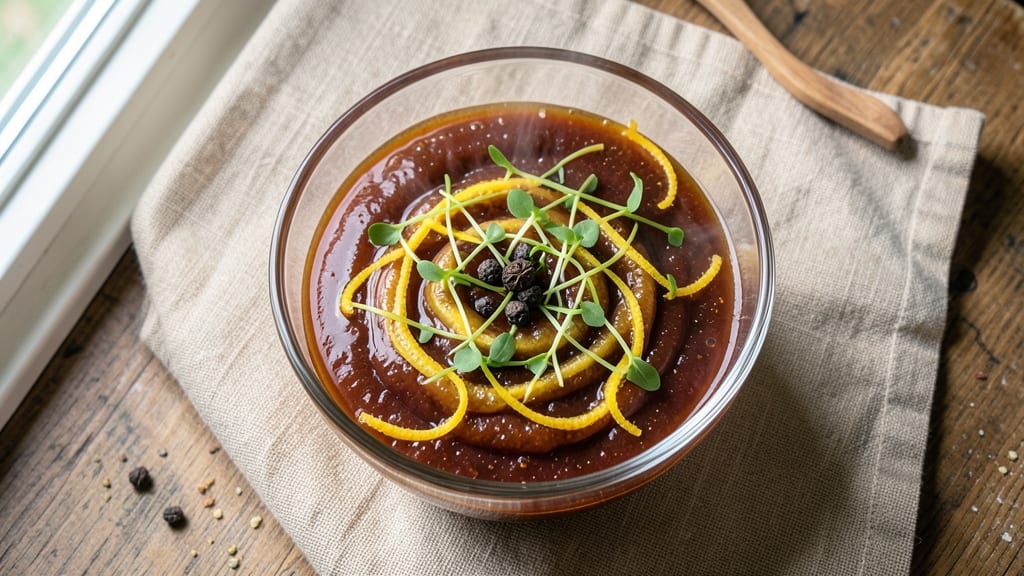
This citrus balsamic vinaigrette salad dressing recipe transforms ordinary salads into vibrant, restaurant-quality dishes with just five simple ingredients. The bright acidity of lemon juice and the deep richness of aged balsamic vinegar create a perfect balance, while high-quality olive oil adds smooth, velvety texture.
I developed this recipe after realizing most store-bought dressings lacked that fresh, homemade zing that makes salads irresistible.
The secret to this vinaigrette lies in proper emulsification—whisking the citrus juice and vinegar together first creates a stable base that easily incorporates the oil. A pinch of salt and freshly cracked black pepper enhances the flavors without overpowering, while optional herbs like thyme or basil add aromatic depth.
This dressing works equally well on mixed greens, grain bowls, or even as a marinade for grilled vegetables.
What you'll end up with is a dressing that's tangy, slightly sweet, and perfectly balanced—bright enough to cut through rich ingredients while complementing delicate flavors. The emulsification technique ensures it won't separate, and the recipe scales easily for meal prep or entertaining.
Store it in the refrigerator for up to five days, shaking gently before each use to maintain that silky texture.
This versatile dressing elevates simple salads to gourmet level while remaining quick to prepare. Whether you're dressing a lunch salad or drizzling over roasted vegetables, the citrus balsamic combination delivers that signature restaurant-quality finish. Let's make this dressing that will become your new kitchen staple.
Ingredients for citrus balsamic vinaigrette salad dressing
Five ingredients transform ordinary salads into vibrant, restaurant-quality dishes with perfect balance.
| Ingredient | Amount | Notes |
|---|---|---|
| Extra-Virgin Olive Oil 🫒 | ¾ cup | High-quality, fruity, cold-pressed |
| Aged Balsamic Vinegar 🍷 | ⅓ cup | 12-25 year aged preferred |
| Fresh Lemon Juice 🍋 | ⅓ cup | Strained, no pulp |
| Granulated Sugar 🍚 | 1 tbsp | Or agave syrup for vegan option |
| Diamond Crystal Kosher Salt 🧂 | ½ tsp | Adjust to taste |
| Freshly Ground Black Pepper 🌶️ | ¼ tsp | Cracked directly over dressing |
| Fresh Thyme Leaves 🌿 | 1 tbsp | Optional, finely chopped |
The aged balsamic vinegar is non-negotiable here—12-25 year aged delivers that complex, caramelized depth that sets this apart from basic vinaigrettes. Trader Joe's and Whole Foods carry excellent options, though specialty Italian markets often have superior selections. For the olive oil, prioritize extra-virgin with at least 70% oleic acid—brands like California Olive Ranch or Colavita are reliable choices. Fresh lemon juice should come from organic lemons when possible, as conventional lemons often have a wax coating that can affect flavor. The sugar balances acidity without overpowering, though agave syrup works beautifully for a vegan adaptation.
No aged balsamic? Red wine vinegar with 1 tsp balsamic glaze mimics the depth, though it won't be identical. Substituting white wine vinegar entirely loses the rich undertones. For the citrus, orange juice works at half the amount but reduces the signature brightness. The thyme is optional but adds aromatic complexity—dried thyme at one-third the amount suffices in a pinch. When emulsifying, use a whisk for proper integration, but a handheld immersion blender ensures perfect consistency if you're nervous about separation. The salt should be Diamond Crystal kosher—it dissolves cleanly without graininess, which is critical for this delicate balance.
This dressing maintains peak freshness for 5-7 days when refrigerated in an airtight container. Shake gently before each use to re-emulsify the oil. For long-term storage, transfer to a sterilized glass jar and freeze for up to 3 months. Thaw overnight in the fridge before use. The emulsification technique ensures stability, but adding 1 tsp mustard powder can enhance longevity if you plan to store it longer. Portion into small containers for meal prep—2 tbsp servings work perfectly for individual salads.
Why You'll Love This Recipe
- Five-Ingredient Magic: I swear by this combo—just oil, vinegar, lemon, sugar, and salt. That’s it. No fancy gadgets, no measuring cups with confusing lines, just a jar and a whisk. Honestly, I make it while scrolling through emails, and it still comes out perfect.
- Bright and Tangy: The aged balsamic gives this dressing depth, but the lemon juice? It’s the star. That sharp, fresh zing cuts through greens, roasted veggies, or even grilled chicken like a dream. Between us, it’s the only dressing I’ll toss on a simple arugula salad when I’m in a rush.
- Meal Prep MVP: This keeps beautifully in the fridge for up to a week—no weird separation, no weird flavors. I double the batch on Sundays so I’m never stuck with wilted lettuce and sad dressing. It’s my secret weapon for quick lunches, potlucks, or when I’m too tired to think.
- Budget-Friendly Luxury: Extra-virgin olive oil and aged balsamic might sound fancy, but a little goes a long way. I buy them in bulk, and this recipe stretches my ingredients without sacrificing flavor. Plus, the sugar and salt are already in my pantry, so it’s basically free to make.
Step-by-step instructions for citrus balsamic vinaigrette
This method delivers a perfectly balanced dressing with vibrant acidity and rich depth.
Whisk Together the Acidic Components
In a medium bowl, combine the 0.33 cup aged balsamic vinegar, 0.33 cup fresh lemon juice, and 1 tablespoon granulated sugar. Use a whisk to blend vigorously for 30 seconds until the sugar fully dissolves. The mixture should become slightly syrupy with a pale golden hue.
This step creates the foundational acidity and sweetness balance. The sugar helps emulsify the dressing later by reducing surface tension between the oil and vinegar. Let the mixture sit for 2 minutes while you prepare the remaining ingredients—this allows the flavors to begin melding.
Season with Salt and Pepper
Add the 0.5 teaspoon Diamond Crystal kosher salt and 0.25 teaspoon freshly ground black pepper to the vinegar mixture. Whisk again for 15 seconds until completely dissolved. Taste the mixture at this stage—you should detect bright lemon acidity with a subtle sweetness and just a hint of saltiness.
The salt enhances the natural flavors while the pepper adds a subtle warmth that will complement the citrus notes. This is the flavor base before adding the oil, so it's important to season properly now. If using agave syrup instead of sugar, the flavor profile will be slightly more vegetal but still balanced.
Gradually Incorporate the Olive Oil
With the whisk moving continuously, very slowly pour in the 0.75 cup extra-virgin olive oil in a thin, steady stream. This gradual addition is critical—it allows the oil to emulsify properly rather than separating. Continue whisking for 2-3 minutes until the dressing thickens noticeably and takes on a glossy, creamy appearance.
You'll know the emulsion is working when the dressing becomes thick enough to coat the back of a spoon. If it starts to separate, simply whisk vigorously for another 30 seconds to re-emulsify. The oil should now be fully incorporated, creating a silky texture that will cling beautifully to salad greens.
Fold in the Fresh Thyme
Remove the whisk and gently fold in the 1 tablespoon fresh thyme leaves using a silicone spatula. The thyme should be finely chopped beforehand to ensure even distribution. Give the dressing one final taste and adjust the seasoning if needed—this is your chance to perfect the balance of flavors.
The thyme adds an herbal complexity that elevates the dressing from simple to sophisticated. If you prefer a stronger thyme flavor, you can increase to 1.5 tablespoons (though the original amount provides a subtle aroma). The dressing should now have a bright citrus tang with underlying sweetness, balanced by the rich olive oil and aromatic thyme.
Rest and Serve
Cover the bowl with plastic wrap and let the dressing rest at room temperature for 15-20 minutes before serving. This resting period allows the flavors to fully meld and the emulsion to stabilize. The dressing will thicken slightly during this time, which is ideal for tossing with hearty greens or roasted vegetables.
When ready to use, give the dressing one final stir before drizzling over your salad. The perfect citrus balsamic vinaigrette should coat the greens evenly, adding brightness without overpowering the natural flavors of your vegetables. Store any leftovers in an airtight container in the refrigerator for up to 5 days, shaking well before each use.
Pro Tips For Making Citrus Balsamic Vinaigrette Salad Dressing
- Whisk in stages: Start with the vinegar and lemon juice, then slowly drizzle in the olive oil while whisking like your life depends on it—this emulsifies the dressing properly. I used to dump everything in at once and ended up with a sad, separated mess every time.
- Use cold lemon juice: Chill your lemon juice in the fridge for 10 minutes before mixing—it balances the acidity better and keeps the dressing from turning bitter too fast. I learned this after a batch tasted harsh and overpowering the next day.
- Salt the sugar first: Toss the granulated sugar with a pinch of kosher salt before dissolving it in the vinegar—this cuts through the sweetness and rounds out the flavor. I skipped it once, and the dressing tasted cloyingly sweet instead of balanced.
- Store oil separate: Keep the olive oil in a separate container and mix it in just before serving—this prevents the dressing from turning cloudy or rancid faster. Yes, it’s an extra step, but your salad will taste fresher for days.
Common mistakes when making perfect results
Skipping the Emulsification Step
One of the biggest mistakes is pouring all the oil in at once without whisking. This causes the dressing to separate immediately, creating a greasy layer on top. Always add oil gradually while whisking continuously—this creates tiny oil droplets that stay suspended in the vinegar mixture.
I’ve seen people dump oil in and wonder why their dressing looks like a salad oil spill. 💫
Using Low-Quality Ingredients
Substituting cheap vinegar or refined olive oil ruins the flavor profile. Aged balsamic vinegar (12-25 years) and extra-virgin olive oil are non-negotiable—they provide depth and richness that cheaper alternatives lack.
I once used a generic balsamic vinegar and ended up with a dressing that tasted flat and one-dimensional. Invest in quality ingredients to get that restaurant-quality finish.
Ignoring the Sugar's Role
The sugar isn’t just for sweetness—it helps emulsify the dressing by reducing surface tension between oil and vinegar. Omitting it or using too little can cause separation. If you’re avoiding sugar, use agave syrup instead, but measure carefully—too much can make the dressing overly sweet.
I’ve found that 1 tablespoon is the perfect balance for this recipe.
Over-Mixing After Adding Oil
Once the oil is fully incorporated, over-whisking can break the emulsion, causing separation. After adding the oil, whisk just until the dressing thickens—about 2-3 minutes—then stop. Over-mixing introduces air bubbles and destabilizes the emulsion. I learned this the hard way when my dressing turned into a foamy mess. 🔥
Not Resting the Dressing
Rushing to use the dressing immediately means missing out on flavor development. Letting it rest for 15-20 minutes allows the flavors to meld and the emulsion to stabilize. I’ve noticed that dressings I use straight away always taste slightly off—like something’s missing. Patience here makes all the difference.
Using Bottled Lemon Juice
Bottled lemon juice often contains preservatives and lacks the fresh, bright acidity of freshly squeezed juice. The pulp and oils in fresh juice also help stabilize the emulsion.
If you must use bottled juice, strain it thoroughly to remove any additives. I’ve compared the two, and fresh juice always wins in both flavor and texture.
Nutrition facts
Frequently asked questions
Can I substitute orange juice for lemon juice?
Yes, but reduce the amount to 0.17 cup instead of 0.33 cup to maintain the bright citrus character. Orange juice adds a sweeter, more floral note that works beautifully with the balsamic. For maximum brightness, I recommend using a mix of both—try 0.25 cup lemon juice and 0.1 cup orange juice for a complex flavor profile.
How do I fix a separated dressing?
Simply whisk vigorously for 1-2 minutes to re-emulsify. If it still separates, add 1 teaspoon Dijon mustard or a splash of warm water to help stabilize it. The key is gradual reintegration—pour the dressing into a clean jar, seal it, and shake energetically for 30 seconds before using. This happens occasionally, especially if stored improperly.
Is this dressing vegan?
Yes, this recipe is naturally vegan! Simply replace the granulated sugar with agave syrup or maple syrup to ensure all ingredients align with plant-based diets. The aged balsamic vinegar and extra-virgin olive oil are also vegan-friendly. Always check labels on vinegar and oil to confirm no animal-derived additives were used.
Can I make this dressing ahead of time?
This dressing keeps well in an airtight container in the refrigerator for 5-7 days. For longer storage, freeze in 2-tablespoon portions for up to 3 months. Thaw overnight in the fridge and shake gently before using to restore the emulsion. The flavors actually improve slightly after resting, making this perfect for meal prep.
What herbs work best besides thyme?
Fresh basil, tarragon, or rosemary add wonderful complementary flavors. For a Mediterranean twist, try 1 tablespoon chopped basil or 0.5 teaspoon dried oregano. If you love heat, add a pinch of red pepper flakes or a few drops of hot sauce. The key is to use fresh herbs and add them just before serving to preserve their vibrant flavors.