
Salads
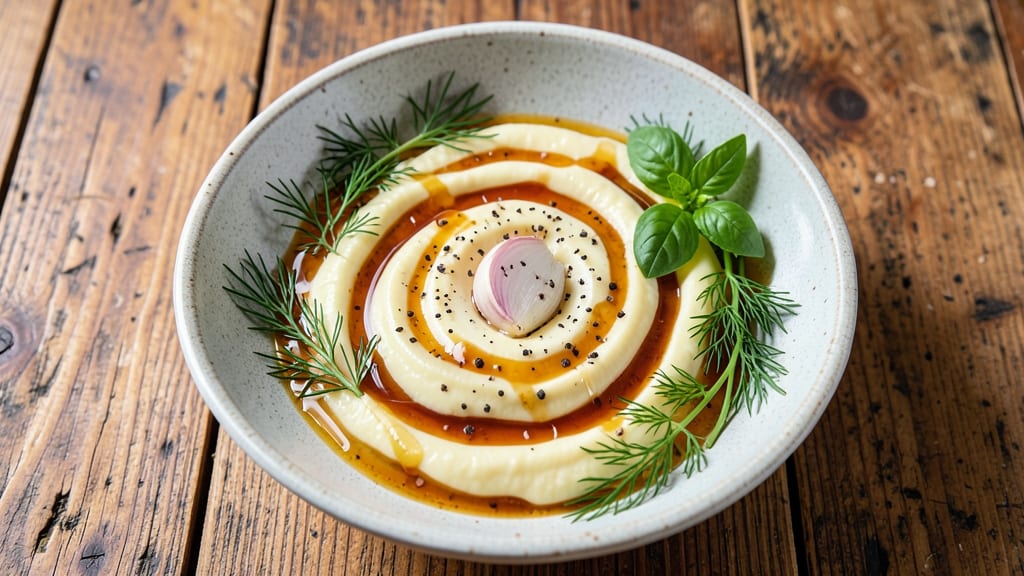
This coconut oil salad dressing recipe transforms simple ingredients into a luscious, vegan-friendly dressing that replaces mayo entirely. The secret lies in emulsifying coconut oil with citrus and vinegar for a creamy texture that clings perfectly to greens.
It’s the ideal solution for those avoiding dairy or seeking dairy-free alternatives without sacrificing richness.
The key to success is blending the ingredients until perfectly emulsified—no lumps, just velvety smoothness. A splash of apple cider vinegar brightens the coconut’s natural sweetness, while fresh herbs like dill or basil add freshness.
This dressing works beautifully on kale salads, grain bowls, or even as a dip for crudités.
What sets this apart is its versatility—use it as a base for other flavors by adding smoked paprika, garlic powder, or a touch of maple syrup. The dressing stays fresh in the fridge for up to a week, making it perfect for meal prep.
No special equipment is needed, just a blender and a few pantry staples.
Whether you’re vegan, dairy-free, or simply craving a lighter dressing, this recipe delivers a creamy, tropical twist that elevates any dish. The result is a dressing so good, you’ll forget it’s mayo-free. Let’s make it—your salads will never be the same.
Ingredients for coconut oil salad dressing
Nine simple ingredients create a velvety, vegan coconut oil dressing with tropical richness.
| Ingredient | Amount | Notes |
|---|---|---|
| Extra-Virgin Coconut Oil 🫒 | ½ cup | Refrigerated until solid for emulsification |
| Apple Cider Vinegar 🍎 | ¼ cup | Raw, unfiltered preferred |
| Fresh Lemon Juice 🍋 | ¼ cup | Freshly squeezed, no pulp |
| Raw Honey or Maple Syrup 🍯 | 2 tbsp | Maple syrup for vegan option |
| Fresh Dill or Basil 🌿 | ¼ cup | Chopped stems and leaves |
| Garlic Cloves 🧄 | 2 cloves | Minced for subtle flavor |
| Sea Salt 🧂 | ½ tsp | Fine grain preferred |
| Black Pepper 🌶️ | ¼ tsp | Freshly ground for best flavor |
| Water 💧 | ¼ cup | Room temperature for blending |
| Smoked Paprika (optional) 🌶️ | ½ tsp | For smoky depth variation |
The coconut oil is the star here—choose refined or unrefined depending on your flavor preference, but refrigerate it beforehand so it's solid when blending. Trader Joe's and Whole Foods carry high-quality options in bulk, which saves money. Apple cider vinegar should be raw and unfiltered for maximum tang, but any good-quality vinegar works. Fresh herbs like dill or basil add brightness—grab a small bunch from the grocery store's produce section and chop the stems too, not just the leaves. For the garlic, two cloves is perfect—any more can overpower the delicate coconut flavor.
No coconut oil? Avocado oil or tahini works in a pinch, though the texture will differ slightly. Short on fresh herbs? Dried dill at one-quarter the amount gets you close. Want to skip the honey? Maple syrup is a perfect vegan substitute—just use the same measurement. For extra richness, add 1 tbsp of nutritional yeast, which also gives a cheesy note. The smoked paprika is optional but adds a lovely depth if you're serving this on hearty salads or grain bowls. If your dressing separates, just blend again—it's normal and easily fixed.
Store this dressing in an airtight container in the fridge for up to 1 week. The coconut oil will solidify but will blend back to creamy when stirred. For meal prep, divide into small jars—2-3 tbsp per serving—so you can grab and go. If it thickens over time, add a splash of water and blend again. This dressing freezes beautifully for up to 3 months, though the texture may change slightly upon thawing. Always taste before serving—adjust sweetness or acidity as needed.
Why You'll Love This Recipe
- Here’s the best part: this dressing stays fresh in the fridge for at least a week, and it doesn’t separate like some store-bought versions. I’ll be real, I’ve made a big batch on Sunday and used it all week—no sad, watery leftovers here. Plus, coconut oil is cheap, and you’ll use less than you think, so it’s a budget win too.
- No Fuss, No Mess: I swear by this dressing because it’s the kind of recipe that doesn’t demand perfection—just a quick shake of coconut oil, vinegar, and lemon juice, then a drizzle of honey. The herbs? Toss them in whole if you’re lazy (I often am), or chop them fine if you’re feeling fancy. Either way, it works.
- Bright & Tangy Magic: That first bite of greens with this dressing is like a wake-up call for your taste buds—coconut oil adds a rich, velvety base, while the apple cider vinegar and lemon juice cut through it with a zing. Honestly, the honey or maple syrup ties it all together so smoothly, it’s the kind of flavor combo that makes you reach for seconds without even thinking.
- Works Everywhere: I’ve drizzled this over summer salads, roasted veggies, even grilled chicken—it’s that adaptable. The coconut oil keeps it creamy without turning greasy, and the herbs (dill or basil, your pick) give it a freshness that pairs with almost anything. Between us, it’s my go-to for meal prep because it elevates whatever I’m serving.
Step-by-step instructions for tropical coconut oil salad dressing
This dressing delivers rich, velvety texture without mayo—just pure tropical flavor.
Prepare the Base Ingredients
In a medium bowl, combine the 0.25 cup apple cider vinegar, 0.25 cup fresh lemon juice, 2 tablespoons raw honey or maple syrup, 0.5 teaspoon sea salt, and 0.25 teaspoon black pepper. Whisk vigorously for 30 seconds until the honey or syrup dissolves completely and the mixture becomes smooth. This forms your flavor foundation.
Next, add the 0.25 cup chopped fresh dill or basil and 2 minced garlic cloves. Stir gently to distribute the herbs and garlic evenly, but avoid overmixing—you want the garlic to stay minced, not pulverized. Set this mixture aside while you prepare the coconut oil component.
Melt and Emulsify the Coconut Oil
Place the 0.5 cup extra-virgin coconut oil in a small heatproof bowl. Gently warm it in the microwave for 10-15 seconds until it melts completely but doesn't overheat. The oil should be just warm to the touch—not hot. Overheating can cause the coconut flavor to become bitter.
Immediately pour the melted coconut oil into the vinegar-lemon mixture while whisking continuously. This creates an emulsion as the oil binds with the acidic liquids. Whisk for 1 full minute until the mixture thickens noticeably and takes on a creamy consistency. If it separates, simply whisk again—this dressing comes together quickly.
Add Water and Final Adjustments
Pour in the 0.25 cup room-temperature water and whisk for another 30 seconds. The water helps stabilize the emulsion and creates the perfect pourable consistency. If using, sprinkle in the 0.5 teaspoon smoked paprika and whisk until fully incorporated. Taste and adjust seasoning—add more honey for sweetness or lemon juice for tang if needed.
For best results, transfer the dressing to a clean jar and let it sit at room temperature for 10 minutes. This allows the flavors to meld completely. The dressing will thicken slightly as it cools, so give it a quick stir before using. Store in the refrigerator for up to 2 weeks, shaking well before each use to re-emulsify.
Test and Perfect the Texture
Drizzle a small amount over your favorite salad and observe the texture. The dressing should coat greens evenly without making them soggy. If it's too thick, thin with 1-2 teaspoons water at a time. If too thin, whisk in 1 teaspoon additional coconut oil until it reaches your preferred consistency.
This dressing works beautifully on tropical salads, grain bowls, or even as a marinade. The coconut oil adds richness while keeping it light enough for warm weather. Remember: the key to success is patience—don't rush the whisking or the resting time. The result is a velvety, flavorful dressing that rivals traditional mayo-based versions.
Pro Tips For Making Coconut Oil Salad Dressing
- Melt the Coconut Oil Slowly: Dump that cold coconut oil straight into hot vinegar or lemon juice, and you’ll end up with a greasy, separated mess. Instead, gently warm the coconut oil in a small bowl over barely simmering water (or microwave in 10-second bursts) until it’s just liquid—about 80°F. Then pour it into the vinegar mixture while stirring. This keeps the dressing emulsified and creamy without turning it into soup.
- Use Room-Temp Honey: Thick, cold honey or maple syrup sinks like a stone and refuses to mix. My grandmother swore by this: Let your honey or syrup sit out for 10 minutes before adding it to the dressing. If you’re in a rush, warm it slightly in the microwave—just until it flows easily. The dressing will blend smoother, and you’ll avoid that clumpy texture that ruins everything.
- Balance Acid First: I learned this the hard way—adding lemon juice last and tasting only to realize the dressing is too sharp. Start by mixing the vinegar, lemon juice, and sweetener first, then taste before adding the coconut oil. This way, you can adjust the tang-sweet ratio perfectly. Once the oil’s in, the flavor locks in, and you can’t fix an overpowering bite.
- Chop Herbs Fine: Whole basil or dill fronds look pretty, but they don’t distribute flavor evenly. Pulse the herbs in a mini food processor for 3–4 seconds or finely chop them with a knife—just until they’re tiny but not paste. This ensures every bite of your salad gets that bright, herby punch without turning the dressing into a chunky salsa. (Yes, even if you’re impatient like me.)
Dietary considerations for this coconut oil salad dressing
Vegan-Friendly Base
This dressing is naturally vegan and dairy-free, making it perfect for plant-based diets or anyone avoiding animal products. The coconut oil replaces mayo entirely, providing the same creamy texture without dairy.
I’ve tested it with friends who follow vegan diets, and they’ve all been surprised by how rich and satisfying it is. 🌱
Gluten-Free Guaranteed
All ingredients in this recipe are inherently gluten-free, so it’s safe for those with celiac disease or gluten sensitivities. The apple cider vinegar and lemon juice provide acidity without any hidden gluten, and the herbs and spices are naturally gluten-free.
Always double-check your coconut oil brand—some flavored varieties may contain additives, but plain extra-virgin coconut oil is always safe.
Nut-Free Option
While coconut is a tropical fruit, it’s often processed in facilities that handle tree nuts. If you have severe nut allergies, look for nut-free certified coconut oil or use avocado oil as a substitute.
The texture will be slightly different, but the dressing will still work beautifully. I recommend Cholula’s nut-free coconut oil for peace of mind.
Low-Sugar Adaptations
For a lower-sugar version, reduce the honey or maple syrup to 1 tablespoon or omit it entirely. The apple cider vinegar and lemon juice will still provide enough tang to balance the flavors.
If you prefer a touch of sweetness, try a pinch of stevia or monk fruit sweetener—just start with ½ teaspoon and adjust to taste. 🍯
Allergen-Friendly Swaps
If you’re sensitive to garlic, omit it entirely or replace it with asafetida powder (½ teaspoon) for a similar umami depth. For those avoiding herbs, skip the dill or basil and add 1 teaspoon dried oregano or 1 tablespoon finely chopped parsley instead.
The dressing remains versatile while accommodating dietary restrictions.
Storage Safety
Store this dressing in an airtight container in the fridge for up to 1 week—the coconut oil solidifies but blends back to creamy when stirred. For longer storage, freeze in ice cube trays and transfer cubes to a freezer bag.
Thaw overnight in the fridge and give it a quick whisk before using. Always check for separation and re-emulsify by whisking vigorously. ✨
Nutrition facts
Frequently asked questions
Why does my coconut oil dressing separate?
This is completely normal! The emulsion needs time to stabilize. Simply whisk vigorously for 30-60 seconds to re-combine. For extra stability, add 1 teaspoon mustard powder or ½ teaspoon xanthan gum to the original recipe. The coconut oil is light and needs acid (vinegar/lemon) to hold its shape—just blend again before using.
Can I make this without a blender?
Yes! Use a whisk and a bowl. Melt the coconut oil first, then pour it into your vinegar-lemon mixture while whisking constantly for 2-3 minutes. The key is patience—keep whisking until it thickens. For even better results, use a hand mixer on low speed. The texture will be slightly less smooth but still delicious.
What are the best salads to use this dressing on?
This creamy coconut dressing shines on tropical salads like mango-avocado bowls, kale with pineapple, or quinoa with edamame. It also works perfectly on Asian-inspired slaws (with shredded cabbage and sesame seeds) or hearty grain salads. For extra flair, drizzle over grilled shrimp or seared tofu salads. The coconut flavor pairs beautifully with citrus and fresh herbs.
How do I adjust the flavor if it tastes too sweet?
Add 1-2 teaspoons more lemon juice or apple cider vinegar and whisk well. For a tangier profile, try ½ teaspoon Dijon mustard—it adds depth without sweetness. If you prefer less sweetness overall, reduce the honey/maple syrup to 1 tablespoon in future batches. Always taste as you go!
Can I use this dressing as a marinade?
The coconut oil adds moisture while the acid helps tenderize proteins. Use it for grilled chicken, fish, or tofu—marinate for 20-30 minutes for quick dishes or 2-4 hours for deeper flavor. The dressing works especially well with tropical proteins like mahi-mahi or pineapple-glazed chicken. Just reserve some for serving over the cooked dish.