
Salads
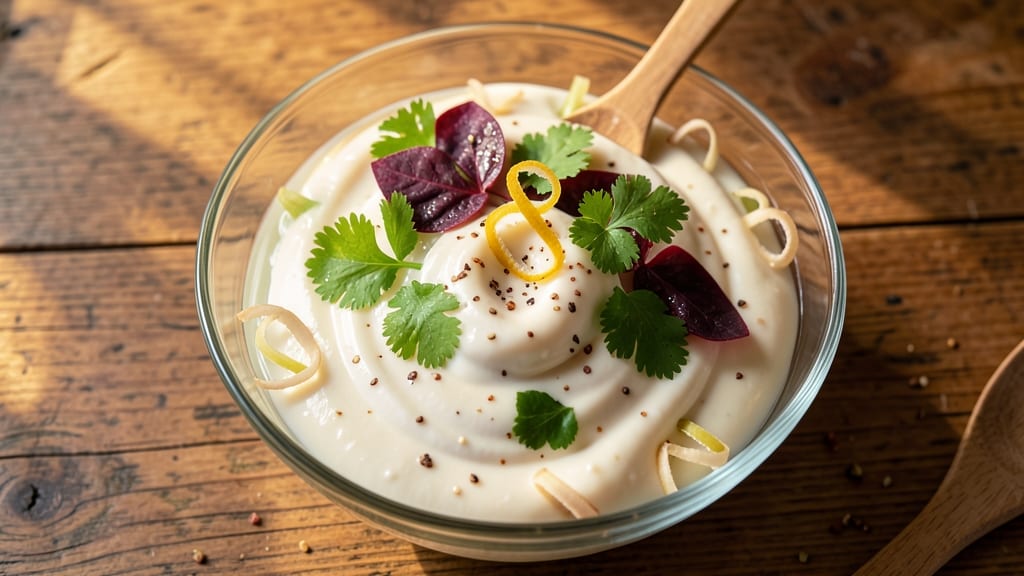
This coconut salad dressing recipe transforms simple greens into a tropical paradise without a single drop of mayo. The secret lies in blending coconut milk with tangy citrus, fresh herbs, and a touch of sweetness—creating a velvety, creamy dressing that clings perfectly to every bite.
I developed this recipe after craving something lighter than traditional ranch or vinaigrette, yet rich enough to satisfy any salad lover.
The beauty of this dressing is its versatility—it elevates everything from crisp mixed greens to hearty grain bowls and even wraps. The coconut milk provides a luscious, dairy-free creaminess, while lime juice and ginger add a bright, zesty kick that cuts through richness.
A splash of rice vinegar ensures balance, and fresh cilantro or basil brings an aromatic finish that makes every dish taste fresh and vibrant.
What makes this recipe stand out is its simplicity: just blend, taste, and adjust. No cooking required, and it comes together in minutes. The dressing stays fresh in the refrigerator for up to five days, making it perfect for meal prep.
Whether you're dressing a simple lunch salad or a complex grain bowl, this tropical-inspired sauce delivers a creamy, tangy experience that’s impossible to resist.
Pair it with mango salsa for extra brightness or drizzle it over roasted vegetables for a flavor boost. The possibilities are endless, and the results are always delicious. Let’s get blending!
Ingredients for coconut salad dressing
Tropical flavors meet creamy texture in this dairy-free dressing blend.
| Ingredient | Amount | Notes |
|---|---|---|
| Full-Fat Coconut Milk 🥥 | 1 cup | Canned, chilled overnight |
| Fresh Lime Juice 🍋 | ½ cup | Strained, freshly squeezed |
| Fresh Cilantro 🌿 | ½ cup | Stems removed, loosely packed |
| Fresh Basil 🌿 | ¼ cup | Loosely packed, stems removed |
| Fresh Ginger 🌿 | 1 tbsp | Grated, peeled, fresh |
| Rice Vinegar 💧 | 2 tbsp | Seasoned or unseasoned |
| Maple Syrup 🍯 | 1 tbsp | Pure, grade B preferred |
| Extra-Virgin Olive Oil 🫒 | ¼ cup | Light, fruity variety |
| Sea Salt 🧂 | ½ tsp | Fine grain preferred |
| Black Pepper 🌶️ | ¼ tsp | Freshly ground preferred |
The coconut milk is the heart of this dressing—full-fat canned gives the richest texture. Chill it overnight before opening to make scooping easier, and use the thick cream from the top for extra richness. Trader Joe's and Costcocilantro and basil should be vibrant, not wilted. If you can't find fresh ginger, powdered works at half the amount, though it lacks the same zing.
No rice vinegar? Apple cider vinegar or lemon juice both work well, though rice vinegar's mild sweetness is ideal. Maple syrup can be swapped for agave nectar or date syrup if you prefer a different sweetness profile. Olive oil matters here—light, fruity varieties won't overpower the tropical notes. For extra brightness, add 1 tbsp of mango puree if you have it. The dressing should be velvety but not overly thick; adjust with a splash of water if needed.
Store in an airtight container with a thin layer of olive oil on top to preserve freshness. Keeps for 5-7 days in the fridge, though the herbs will start to wilt after 3 days. For longer storage, freeze in ice cube trays—thaw and shake before using. This dressing pairs perfectly with mango salsa or tropical fruit for a complete flavor profile.
Why You'll Love This Recipe
- Five-Ingredient Magic: I swear by this combo—just blend, stir, and you’re done. No fancy techniques, no waiting for anything to marinate. Honestly, the hardest part is deciding what to pour it over first.
- Bright & Creamy Balance: That full-fat coconut milk gives it a luscious richness, while the lime and ginger cut through it like a citrusy wake-up call. The cilantro and basil? They make it taste like a vacation in a jar.
- Meal Prep MVP: I make a big batch on Sundays and keep it in the fridge for the week. It’s perfect for tossing with greens, drizzling over grilled fish, or even mixing into curries. (Yes, even on a Tuesday night.)
- Budget-Friendly Luxury: Coconut milk and fresh herbs stretch farther than you’d think, and the flavors feel indulgent without breaking the bank. Plus, the ginger adds a little zing that makes everything taste more expensive than it is.
Step-by-step instructions for coconut salad dressing
A creamy, vibrant dressing that delivers tropical flavors without dairy or mayo.
Chill and Shake the Coconut Milk
Open the can of full-fat coconut milk and refrigerate it overnight or for at least 4 hours. This chilling step is crucial—it causes the natural separation of coconut cream from the water, creating a thick, rich base for your dressing. Once chilled, shake the can vigorously for 30 seconds to fully recombine the cream and water.
Scoop out the thick coconut cream from the top 1 cup using a spoon, leaving the watery portion behind. The cream should be smooth and thick enough to hold its shape when spooned. If it's not fully separated, give it another shake and let it sit for 10 minutes before trying again. This step ensures your dressing will be lusciously creamy rather than thin and watery.
Blend Herbs and Ginger
In a food processor or blender, combine the 0.5 cup fresh cilantro, 0.25 cup fresh basil, and 1 tbsp fresh ginger. Pulse until the herbs are finely chopped but not completely pureed—you want to retain some texture for depth of flavor. This process releases the aromatic oils from the herbs and ginger, which are essential for the dressing's vibrant character.
Transfer the blended herb mixture to a medium bowl. The result should look like a coarse, green paste with visible flecks of ginger. If you prefer a smoother texture, you can strain the mixture through a fine-mesh sieve, but I like the subtle texture it adds. This step builds the aromatic foundation that sets this dressing apart from typical creamy options.
Whisk Wet Ingredients Together
In a separate bowl, whisk together the 0.5 cup fresh lime juice, 2 tbsp rice vinegar, 1 tbsp maple syrup, and 0.25 cup extra-virgin olive oil. The lime juice should be freshly squeezed and strained to avoid any pulp that could make the dressing gritty. Whisking creates an emulsion that helps the dressing cling beautifully to salad greens and other ingredients.
Gradually add the coconut cream to the wet ingredients while whisking continuously. The mixture will thicken noticeably as the coconut cream incorporates. This gradual addition prevents the dressing from separating later. Taste the mixture at this stage—it should be tangy from the lime and vinegar, slightly sweet from the maple syrup, and bright from the olive oil.
Season and Emulsify
Add the herb mixture to the wet ingredients and whisk until fully combined. Then, sprinkle in the 0.5 tsp sea salt and 0.25 tsp black pepper, whisking constantly to distribute the seasoning evenly. The dressing should now have a vibrant green hue from the herbs and a rich, creamy consistency.
For the final step, transfer the dressing to a jar with a tight-sealing lid. Shake vigorously for 10-15 seconds to create a perfect emulsion. The dressing should coat the back of a spoon smoothly without separating. If it does separate, simply shake again before using. This dressing is best made fresh and used within 3-4 days when stored in the refrigerator.
Pro Tips For Making Coconut Salad Dressing
- STRAIN THE MILK: Full-fat coconut milk has a layer of thick cream on top—don’t skip scooping that off first. After shaking the can, let it sit for 2 minutes so the cream pools, then spoon it out for a richer, smoother dressing. (Yes, even if you’re in a hurry—this makes a real difference.)
- ZEST THE GINGER FINE: Grate the ginger with the peeler, not a box grater—it’s faster and gives you a finer, more controlled texture. Use about 1 teaspoon of fresh zest (the green part too, if you’re brave), then toss it in cold water for 10 seconds to mellow the bite. (I learned this the hard way after one dressing tasted like a spicy soap.)
- PULSE THE HERBS: Don’t just chop cilantro and basil—pulse them in a mini food processor with the lime juice first. It releases their oils and blends them into the dressing instead of settling as clumps. If you’re doing it by hand, stack the stems and roll them under a knife for cleaner cuts. (This isn’t the prettiest method, but it works every time.)
- DILUTE GRADUALLY: Start with ¼ cup of lime juice and 2 tablespoons of coconut milk, then taste. If it’s too sharp, add more milk; if it’s too thin, add a splash of lime. Stirring in small batches keeps the balance right—no need to fix a whole bowl of watery dressing. (Trust me, you’ll regret eyeballing it.)
Common mistakes when making this recipe
Over-Mixing the Dressing
I’ve seen so many people over-blend this dressing, turning it into a thick paste instead of a silky emulsion. The key is to whisk just until combined—about 10-15 seconds after adding the coconut cream.
Over-blending releases too much starch from the coconut milk, which can make the dressing gummy. If this happens, simply add 1-2 tablespoons of water to restore the right consistency. 💫
Skipping the Chill Step
One of the biggest mistakes is using coconut milk straight from the can without chilling it first. The separation step is what gives this dressing its luxurious creaminess.
If you’re short on time, pop the can in the freezer for 20 minutes—it’ll still separate enough to scoop out the thick cream. Never skip this; the texture will be watery and disappointing.
Using Low-Quality Coconut Milk
Not all coconut milk is created equal. Light or skim versions won’t give you that rich, velvety texture we’re going for. Always use full-fat canned coconut milk—brands like Thai Kitchen or Goya are reliable choices.
If you’re using cartons, they often lack the same richness, so stick to cans for the best results.
Ignoring the Emulsion Step
After blending, it’s tempting to just pour the dressing over your salad. But shaking it vigorously for 10-15 seconds in a sealed jar creates a stable emulsion that won’t separate.
If you skip this, the dressing might look curdled or oily. Pro tip: Use a mason jar for easy shaking and storage.
Adding Too Much Liquid
This dressing is delicate—adding extra water or vinegar can throw off the balance. If it’s too thick, a splash of water or lime juice helps, but don’t overdo it.
The coconut cream and olive oil should hold the dressing together without needing extra liquid. Taste as you go to avoid ending up with a watery mess.
Not Tasting as You Go
Every batch is slightly different, so always taste the dressing at each stage. Adjust the lime juice for more tang, maple syrup for sweetness, or salt for balance. I can’t tell you how many times I’ve made this dressing and needed to tweak something—it’s all about personal preference! 🌶️
Nutrition facts
Frequently asked questions
Can I make this coconut dressing without a food processor?
If you don't have a food processor, finely chop the cilantro and basil with a sharp knife, then muddle them with the ginger in a mortar and pestle or small bowl. This releases the flavors while keeping some texture. Just whisk everything together more thoroughly to ensure even distribution. The dressing will still taste amazing!
How can I make this dressing spicier?
Add ½ teaspoon of red pepper flakes or 1 teaspoon of sriracha to the wet ingredients before whisking. For a smoky kick, stir in ½ teaspoon of smoked paprika after blending. Start with half the amount and adjust to taste—this dressing is delicate, so spice builds gradually.
Will this dressing work with non-tropical salads?
Yes! While it's perfect for tropical greens like mango or pineapple, the creamy coconut flavor pairs beautifully with hearty salads too. Try it on quinoa bowls with roasted veggies, grain salads with avocado, or even as a dip for crudités. The lime and ginger add brightness that cuts through rich ingredients like nuts or cheese.
Can I substitute coconut milk with another dairy-free option?
While coconut milk creates the signature flavor, you can try cashew cream (blend soaked cashews with water) or silken tofu puree for a neutral base. However, these won't have the same tropical richness. For best results, stick with coconut milk—it's the star ingredient that makes this dressing uniquely delicious!
How should I adjust the dressing for a vegan dessert application?
For desserts like fruit salads or coconut chia pudding, reduce the lime juice to ¼ cup and add 1 teaspoon of vanilla extract. Sweeten with an extra ½ tablespoon of maple syrup and consider adding ½ teaspoon of ground cinnamon. The texture will be perfect for drizzling over warm baked goods or spooning over frozen yogurt.