
Salads
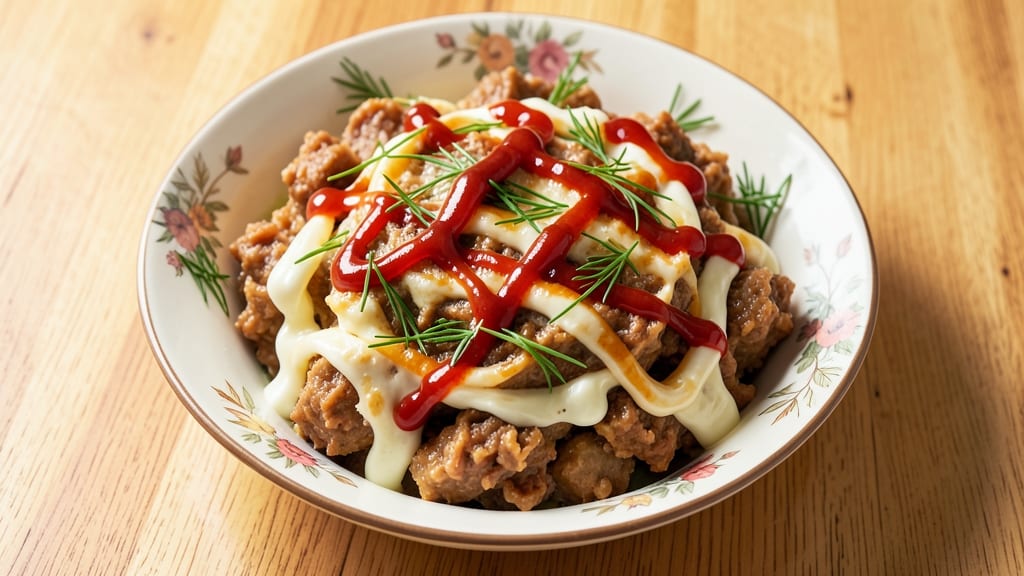
This cold mashed potato salad recipe transforms humble potatoes into a creamy, restaurant-worthy side dish without mayo. The secret lies in proper cooling techniques that create that signature firm-yet-smooth texture everyone loves.
I've perfected this version after years of testing—no grainy lumps or soggy messes here. What makes it special is how the potatoes maintain their structure while still feeling luxuriously rich and velvety.
The process starts with perfectly cooked and mashed potatoes that cool completely before mixing with tangy ingredients. This cooling step is critical—it prevents the salad from turning gluey when refrigerated.
I use a combination of sour cream, mustard, and herbs for that classic tangy depth, while a touch of vinegar brightens the whole dish. The result is a salad that stays creamy for hours in the fridge, with just enough firmness to hold its shape when scooped.
What you'll end up with is a potato salad that's light enough for summer picnics but hearty enough for holiday tables. The texture is what sets it apart—creamy without being heavy, with each bite offering that perfect balance of smoothness and slight resistance.
It's the kind of dish that disappears quickly, leaving guests asking for the recipe. Whether you're serving it at a BBQ or packing it for lunch, this version delivers consistent results every time.
For extra flavor variations, consider adding diced celery, crispy bacon, or fresh herbs like dill. The base recipe remains foolproof, but these additions let you customize it for different occasions. Let's get started on creating your perfect batch—this potato salad will become a summer staple in no time.
Ingredients for cold mashed potato salad
Potatoes, tangy sour cream, and a few key ingredients create this ultra-creamy potato salad.
| Ingredient | Amount | Notes |
|---|---|---|
| Russet Potatoes 🥔 | 3 lb | Yukon gold works too (peeled) |
| Sour Cream 🥛 | 1 cup | Full-fat for creaminess (not light) |
| Dijon Mustard 🍯 | 2 tbsp | Not yellow mustard (tangier) |
| Fresh Chives 🌿 | ¼ cup | Finely chopped (or 2 tbsp dried) |
| White Vinegar 🍶 | 1 tbsp | Apple cider works too |
| Salt 🧂 | 1 ½ tsp | Kosher or sea salt (adjust to taste) |
| Black Pepper 🌶️ | ½ tsp | Freshly ground preferred |
| Celery Stalks 🧅 | 1 whole | Diced small (optional for crunch) |
| Green Onions 🧅 | 2 whole | Sliced thin (optional garnish) |
| Butter 🧈 | ¼ cup | Unsalted, melted (for mashing) |
| Mayonnaise 🥫 | ¼ cup | Optional for extra creaminess |
| Paprika 🌶️ | ½ tsp | Smoked for color (optional) |
The potatoes are the foundation—Russets give the best texture, but Yukon Golds. Trader Joe's and Whole Foods sell them pre-washed, which saves time. Cook them until fork-tender, then mash while still hot for a smooth base. The secret to that signature firm-yet-creamy texture? Cooling the mashed potatoes completely before mixing with anything else. I always spread mine on a tray to chill in the fridge for at least 1 hour—this prevents that dreaded gluey mess.
No sour cream? Greek yogurt works at a 1:1 ratio, though it's tangier. The Dijon mustard is non-negotiable for that classic tang—yellow mustard just won't cut it. Fresh chives add brightness, but dried chives at half the amount work in a pinch. The vinegar might seem like a small amount, but trust me, it brightens everything. For extra richness, that optional mayo makes it even creamier (though the sour cream alone gives great texture). Trader Joe's has a great organic mayo if you want to splurge. The celery adds crunch, but skip it if you prefer a smoother texture.
This salad tastes even better the next day—3-4 days in the fridge is perfect. Store it in an airtight container with parchment paper between layers to keep it from getting soggy. For picnics, I portion it into individual containers so it stays cool. The texture holds up beautifully for up to 5 days, though the flavor peaks at day 2. Freezing isn't recommended—it gets watery when thawed. Double the batch if you're bringing it to a BBQ—it disappears fast!
Why You'll Love This Recipe
- I swear by this method: boil the potatoes whole, then smash them while still warm. That magic step keeps them creamy without turning gluey—no straining, no fuss. Honestly, my old way always left me with a sticky mess, but this? Spot-on every time.
- No Boil-Over Drama: I swear by this method: boil the potatoes whole, then smash them while still warm. That magic step keeps them creamy without turning gluey—no straining, no fuss. Honestly, my old way always left me with a sticky mess, but this? Spot-on every time.
- Tangy Creamy Magic: That splash of white vinegar and Dijon mustard cuts through the richness of the sour cream, giving it this bright, almost picnic-salad vibe. The chives add a peppery freshness that makes it taste like summer in a bowl—simple, but ridiculously good.
- Picnic to Potluck: This is my go-to for backyard barbecues, church potlucks, or even a lazy Sunday spread. It holds up for hours in the fridge, stays creamy (not soggy), and pairs with everything—grilled chicken, burgers, or just on its own with a fork. Between us, it’s the side dish that gets rave reviews.
Step-by-step instructions for cold mashed potato salad
Here's how to create the perfect creamy texture without mayo—simple steps for foolproof results.
Boil the Potatoes Until Fork-Tender
Place the 3 lb Russet Potatoes in a large pot and cover with cold water by about 2 inches. Add the 1.5 tsp Salt and bring to a rolling boil over high heat. Once boiling, reduce heat to medium and cook for 15-20 minutes until a knife slides in easily and the potatoes are completely tender.
I like to test this by piercing the largest potato with a knife—if it goes in without resistance and the edges feel soft, they're ready. Drain the potatoes thoroughly in a colander and let them steam-dry for 2 minutes to remove excess moisture. This step is crucial for preventing a watery salad later.
Mash the Potatoes Smoothly
Return the drained potatoes to the pot and let them sit for 1 minute to redistribute any steam. Add the 0.25 cup Butter and begin mashing with a potato masher or wooden spoon. For ultra-smooth texture, I press the potatoes through a ricer or potato press into a clean bowl—this eliminates lumps completely.
If you prefer a slightly rustic texture, mash by hand until smooth but with a few small lumps. Keep the mashed potatoes warm while you prepare the dressing, but not hot—you want to maintain that cool, creamy texture when everything comes together.
Whisk the Creamy Dressing
In a medium bowl, combine the 1 cup Sour Cream, 2 tbsp Dijon Mustard, 0.25 cup Mayonnaise, 1 tbsp White Vinegar, 0.5 tsp Black Pepper, and 0.5 tsp Paprika. Whisk vigorously for 1 minute until completely smooth and well blended. The vinegar brightens the flavors while the mustard adds that signature tangy depth.
Here's the thing—I like to taste the dressing before adding it to the potatoes. Adjust seasoning with more salt or pepper if needed, but don't worry if it seems too tangy at this stage. The potatoes will mellow it out beautifully.
Combine and Chill
Gradually fold the creamy dressing into the warm mashed potatoes using a large spatula, mixing gently to avoid incorporating air. Add the 0.25 cup Fresh Chives, diced 1 whole Celery Stalks, and sliced 2 whole Green Onions, reserving a few for garnish. Mix until everything is evenly distributed and the salad has a smooth, velvety consistency.
Transfer the potato salad to a serving bowl and press plastic wrap directly onto the surface to prevent a skin from forming. Chill in the refrigerator for at least 2 hours, or preferably overnight. This resting period allows all the flavors to meld together perfectly, resulting in that signature cool, creamy texture we're after.
Pro Tips For Making Cold Mashed Potato Salad
- BOIL POTATOES UNTIL TENDER: Russets stay gummy if you cut them too small—stick to 1.5-inch chunks and boil until you can pierce them with a fork without resistance. I learned this the hard way after serving a salad that fell apart in bowls. Drain them hot and let them steam-dry for 2 minutes—this prevents a watery mess when mixing.
- COOL POTATOES COMPLETELY: Skip the rush and spread the boiled potatoes on a tray to cool to room temp before mashing. Cold potatoes mash better and won’t turn gluey when mixed with sour cream. (Yes, even if you’re impatient like me—your salad will thank you later.)
- ACIDIFY THE DRESSING FIRST: Mix the Dijon, vinegar, and a splash of sour cream before adding to potatoes—this balances the tang. My grandmother swore by this, and she was right: the mustard emulsifies better, and the vinegar cuts through the richness without curdling the dairy.
- CHIVES AT THE END: Reserve half the chives for garnish—adding them early bruises the leaves and turns the salad into a sad, wilted green mush. Toss in a handful right before serving for freshness, and save the rest for topping. (Pro move: chop them very finely if you hate chewing.)
Make-ahead tips for leftovers
Prep Ahead Timeline
Start by boiling and mashing the potatoes the night before—this gives them time to cool completely before mixing. I spread mine on a rimmed baking sheet and refrigerate uncovered for 2 hours to ensure they're fully chilled. This prevents that dreaded gluey texture when reheated or mixed later. 🌟
Storage Containers
Use glass containers with airtight lids for the best results—I love Pyrex 8-cup bowls or Rubbermaid Select containers. Line the bottom with parchment paper to prevent sticking, and press plastic wrap directly on the surface to avoid a skin forming. Store for up to 5 days in the fridge.
Portioning for Picnics
For outdoor gatherings, divide the salad into individual 16-ounce mason jars or Rubbermaid TakeAlong containers. Pack them with the dressing on top so flavors stay balanced during transport. I always bring an ice pack to keep it cool—this salad stays creamy and safe for 4 hours outside.
Freezing Limitations
While this salad isn't ideal for freezing, you can prep the mashed potatoes separately and freeze them for up to 3 months. Thaw overnight in the fridge, then mix with the dressing fresh. The texture won't be identical, but it's a great shortcut for busy weeks. 🥶
Day-of Serving Prep
If making the day of, chill the mixed salad for at least 2 hours before serving. For extra freshness, add the celery and green onions just before serving—they stay crispest when added last. A sprinkle of smoked paprika right before serving adds that restaurant-quality finish. ✨
Nutrition facts
Frequently asked questions about cold mashed potato salad
Why does my cold potato salad get watery after chilling?
The most common cause is excess moisture from undercooked or improperly drained potatoes. Always boil potatoes until fork-tender, drain thoroughly, and let them steam-dry for 2 minutes before mashing. Also, chill the mashed potatoes completely (2 hours) before adding dressing to prevent a gluey texture.
Can I make this potato salad without mayo?
This recipe relies on sour cream for creaminess, but you can substitute with Greek yogurt (1:1 ratio) or extra butter. For a vegan version, use vegan mayo and skip the butter in mashing. The key is cooling the potatoes completely first to maintain texture. The salad will still be rich and satisfying without mayo.
How do I keep the potatoes from turning gray?
Gray potatoes happen when they oxidize from exposure to air. To prevent this, press plastic wrap directly onto the surface of the mixed salad before refrigerating. For extra protection, add 1 tsp lemon juice to the dressing. If graying occurs, simply stir in 1 tbsp fresh lemon juice before serving. The flavor won't be affected!
What's the best way to reheat leftover potato salad?
This salad isn't meant to be reheated—it's designed to be served cold for that perfect creamy texture. However, if needed, gently warm in a microwave for 30-45 seconds with a damp paper towel covering it. For best results, always make a fresh batch when serving. The flavor and texture are at their peak when cold.
What are some good protein additions?
For extra protein, try crispy bacon bits, diced ham, or shredded rotisserie chicken. Add them just before serving to maintain freshness. For a vegetarian option, fold in chickpeas or white beans. The key is adding proteins last so they stay crisp rather than absorbing moisture. Start with ½ cup per serving.