
Salads
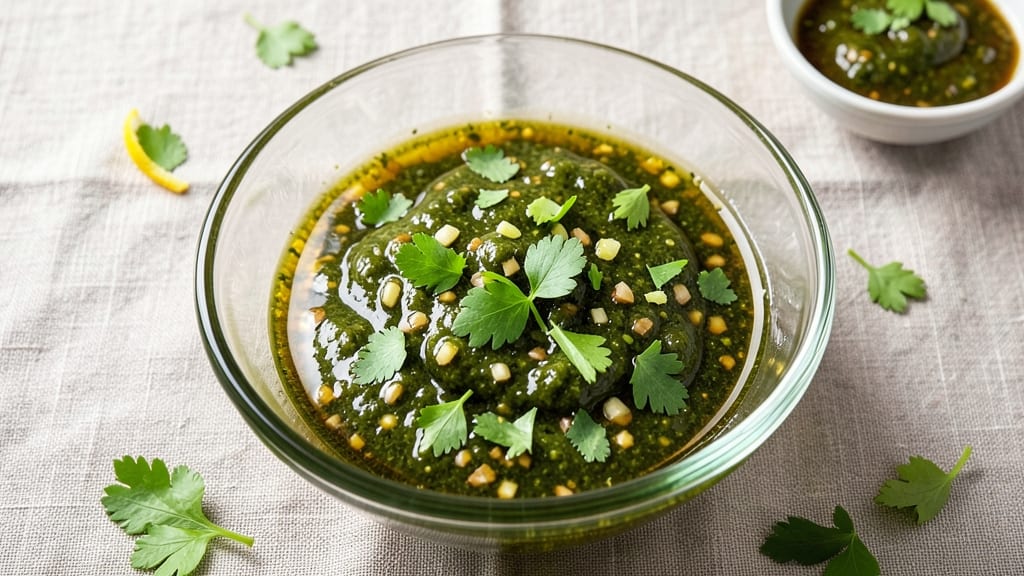
This cold pasta salad dressing recipe transforms ordinary salads into vibrant, flavorful meals that stay fresh for days. The herb-infused vinaigrette balances tangy acidity with bright herbs, creating a dressing that clings perfectly to pasta without making it soggy.
I developed this recipe after struggling with dressings that turned limp or separated—this one holds up for hours in the fridge.
The secret lies in a simple ratio of olive oil to red wine vinegar, with fresh herbs like parsley and basil for freshness. A touch of Dijon mustard adds depth, while garlic and shallots provide aromatic complexity.
Unlike store-bought dressings, this one stays emulsified and flavorful, even after mixing with cold pasta and vegetables.
What makes this dressing exceptional is its versatility—it works with any cold pasta salad, from classic macaroni to penne with roasted vegetables. The herbs remain vibrant, and the acidity brightens rather than overwhelms. Best of all, it can be made ahead and stored separately until ready to toss.
Perfect for potlucks, meal prep, or summer gatherings, this dressing ensures every bite is cohesive and delicious. The ingredients are straightforward, and the method is foolproof, guaranteeing restaurant-quality results at home.
Ingredients for cold pasta salad dressing
Nine quality ingredients transform ordinary pasta salads into restaurant-worthy meals.
| Ingredient | Amount | Notes |
|---|---|---|
| Extra-Virgin Olive Oil 🫒 | ¾ cup | High-quality, fruity variety preferred |
| Red Wine Vinegar 🍷 | 0.3 cup | Dry, aged variety for optimal flavor |
| Fresh Flat-Leaf Parsley 🌿 | ½ cup | Finely chopped, stems included |
| Fresh Basil Leaves 🌿 | ¼ cup | Packed, stems removed |
| Dijon Mustard 🍯 | 1 tbsp | High-quality, smooth variety |
| Garlic Cloves 🧄 | 3 cloves | Minced, not pre-minced jarred |
| Shallots 🧅 | 2 whole | Finely minced, not chopped |
| Granulated Sugar 🍚 | 1 tsp | Balances acidity without sweetness |
| Kosher Salt 🧂 | ½ tsp | Diamond Crystal preferred |
| Freshly Ground Black Pepper 🌶️ | ¼ tsp | Freshly cracked for maximum aroma |
The olive oil and red wine vinegar form the dressing's backbone, so prioritize high-quality, extra-virgin olive oil with a fruity profile—California or Italian varieties excel here. Whole Foods or specialty grocers carry excellent options, but even a mid-range supermarket brand works if labeled 'first cold press.' The vinegar should be aged at least 6 months; Balsamic or Champagne vinegars add complexity but aren't required. Fresh herbs are non-negotiable—their vibrancy directly impacts flavor. Trader Joe's consistently offers affordable, high-quality parsley and basil bundles, while local farmers' markets provide the freshest selections. For the garlic and shallots, organic varieties minimize bitterness, though conventional works fine.
No fresh parsley? Cilantro or chives at half the amount provide similar brightness, though flavor differs slightly. Substitute red wine vinegar with apple cider vinegar or lemon juice, though the latter requires an additional pinch of sugar to balance acidity. For a mustard-free version, replace with 1 tsp white wine vinegar plus 1 tsp honey, though texture may thin slightly. Pre-minced garlic from jars lacks freshness—always mince your own for optimal flavor. The sugar can be omitted entirely if using particularly tart vinegar, though it helps emulsify the dressing. For a nutty depth, add 1 tsp toasted sesame oil to the finished dressing.
Store the dressing in an airtight glass jar in the refrigerator, where it remains fresh for up to 1 week. The emulsified texture may separate slightly, but a quick whisk restores it. For longer storage, transfer to a sterile jar and freeze for up to 3 months, though texture may alter upon thawing. When ready to use, whisk vigorously to re-emulsify. This dressing clings perfectly to cooked pasta, so toss it with cold noodles just before serving. For added staying power, chill the pasta salad for 30 minutes after mixing to let flavors meld.
Why You'll Love This Recipe
- I’ll be real: this dressing comes together with zero fuss. Toss in whole basil leaves (they’ll wilt beautifully), roughly chopped parsley (no knife skills required), and a whisk—done. The Dijon mustard emulsifies everything in seconds, so even if I’m distracted by the dog or my phone, it still works.
- No-Chop Chaos Allowed: I’ll be real: this dressing comes together with zero fuss. Toss in whole basil leaves (they’ll wilt beautifully), roughly chopped parsley (no knife skills required), and a whisk—done. The Dijon mustard emulsifies everything in seconds, so even if I’m distracted by the dog or my phone, it still works.
- Herb-Packed Punch: That bright red wine vinegar cuts through the richness of the olive oil like a knife, while the parsley and basil add a freshness that’s ridiculously good—like a summer breeze in a jar. Honestly, the first time I made it, my roommate took the last bite out of my bowl before I could.
- Picnic to Potluck: This dressing turns any pasta salad from "meh" to "bring to the BBQ." Drizzle it over rotini for a lunchbox, toss with farfro for a picnic, or even use it as a marinade for grilled chicken. (Yes, even on a Tuesday night.) The acidity keeps it fresh for days, so it’s my go-to for gatherings where I don’t want to stress.
Step-by-step instructions for herb-infused vinaigrette
This bright, herbaceous dressing delivers bold flavor while maintaining perfect balance for your cold pasta salad.
Finely Mince Aromatics and Herbs
Begin by mincing the 2 whole shallots and 3 cloves garlic using a sharp chef's knife. I prefer a rocking motion for even, fine mincing—aim for pieces so small they nearly disappear when tasted. The shallots should be nearly transparent, while the garlic should resemble a fine paste rather than visible flecks. This level of fineness ensures the flavors distribute evenly throughout the dressing without any harsh textures.
Next, chop the 0.5 cup fresh flat-leaf parsley and 0.25 cup fresh basil leaves into similarly fine pieces. For the parsley, include the stems as they contain concentrated flavor. For the basil, remove stems but keep the leaves whole initially—you'll chop them more finely at the end. The fresh herbs will contribute vibrant color and aromatic depth that elevates the dressing from ordinary to extraordinary.
Whisk Vinegar, Mustard, and Seasonings
In a medium bowl, combine the 0.3 cup red wine vinegar, 1 tbsp Dijon mustard, 1 tsp granulated sugar, 0.5 tsp kosher salt, and 0.25 tsp freshly ground black pepper. Whisk vigorously for 30 seconds until the sugar and salt fully dissolve and the mixture becomes homogeneous. The sugar helps balance the acidity of the vinegar while preventing the dressing from tasting overly sharp, and the mustard provides that signature tangy depth.
This initial mixture should look like a smooth, pale yellow emulsion. If you notice any undissolved sugar crystals, whisk for another 10 seconds—this ensures perfect flavor integration. The Dijon mustard also serves as an emulsifier that will help bind the oil later, creating a stable dressing that won't separate.
Gradually Incorporate the Olive Oil
With the whisk still in the bowl, begin adding the 0.75 cup extra-virgin olive oil in a slow, steady stream. I recommend adding it over 1-2 minutes, whisking continuously until the oil is completely incorporated. The key here is patience—adding the oil too quickly can cause the dressing to break and separate. You'll notice the mixture transform from a thin liquid to a thick, creamy emulsion as the oil emulsifies with the vinegar-mustard base.
Continue whisking for an additional 30 seconds after all the oil is added to ensure the dressing reaches its full potential. At this point, it should have a velvety texture with a glossy sheen. If you're unsure about the consistency, add 1-2 teaspoons of water and whisk again—this helps achieve that perfect balance between richness and lightness that makes this dressing shine.
Fold in Fresh Herbs and Aromatics
Remove the whisk and use a silicone spatula to gently fold in the minced shallots, garlic, parsley, and basil. Work in small batches to ensure even distribution throughout the dressing. The herbs should be fully incorporated but still visible as small specks—this gives the dressing both visual appeal and bursts of fresh flavor with every bite. Give the mixture one final stir to combine everything completely.
At this stage, taste the dressing and adjust the seasoning if needed. If it tastes too acidic, add another ½ teaspoon of sugar. If it needs more brightness, add 1-2 teaspoons of vinegar. The dressing should balance rich, herby notes with a pleasant tang and just a hint of sweetness. Cover the bowl with plastic wrap pressed directly onto the surface to prevent a skin from forming, and let it rest at room temperature for 15 minutes before using.
Store Properly for Maximum Freshness
Transfer the dressing to an airtight container and refrigerate immediately. This herb-infused vinaigrette will keep for up to 7 days in the refrigerator, maintaining its vibrant color and fresh flavor. The high-quality extra-virgin olive oil and fresh herbs are what give this dressing its exceptional shelf life compared to store-bought versions. Before using, give it a good stir—it may separate slightly during storage, but the emulsifiers in the mustard will bring it back together beautifully.
The dressing is now ready to elevate your cold pasta salad, adding layers of herbaceous freshness and complex flavor that will make your dish stand out. Use it within 24 hours for peak freshness, and remember that the flavors will continue to develop and meld as it sits, making your salad taste even better the next day.
Pro Tips For Making Cold Pasta Salad Dressing
- Whisk the Mustard First: Toss in that Dijon before adding any oil or vinegar—it’ll emulsify smoother and way faster. I used to add it last, and the dressing always separated like a sad salad. Trust me, a few seconds of extra whisking upfront saves you from a greasy mess later.
- Chop Herbs Coarse: Tiny herb bits turn to sludge in dressing. Roughly chop parsley and basil into ¼-inch pieces—they’ll stay vibrant and add texture without dissolving into mush. (Yes, even if it looks "unfinished.") This is the thing that matters most for keeping your salad looking fresh hours later.
- Taste Before the Vinegar: Salt and mustard the oil first, then taste—this is where you catch flavor balance early. Red wine vinegar’s acidity hits hard, and you’ll either need less or more than you think. I learned this the hard way after making a dressing that was either bland or puckery.
- Store Dressing Separate: Mix the dressing just before tossing with pasta—oil and vinegar separate over time, no matter how well you whisk. Keep them in separate containers and combine right before serving. (Your future self will thank you when the salad isn’t swimming in oil.)
Storing and reheating your leftovers
Refrigerator Storage
Store your herb-infused vinaigrette in an airtight glass jar (I love Ball mason jars) in the fridge for up to 7 days. The glass preserves freshness better than plastic, and the airtight seal prevents oxidation that dulls flavors.
Always press the lid down firmly to eliminate air gaps. 🌿
For best results, let the dressing sit at room temperature for 15 minutes before storing—this allows the flavors to meld properly. The herbs will stay vibrant if you keep the jar fully submerged in the fridge, not on a door shelf where temperature fluctuations occur.
Freezing for Longevity
Freeze the dressing in 1-ounce portions using ice cube trays for easy single-use servings. Once frozen, transfer cubes to a ziplock freezer bag with all air squeezed out. This method preserves texture better than freezing the full batch. 🧊
Thaw overnight in the fridge before using—never microwave. The texture may separate slightly after freezing, but whisking vigorously with 1 tsp water per cube restores the emulsion perfectly. Freeze for up to 3 months for maximum freshness.
Reheating and Reviving
If your dressing separates in the fridge, don't worry! Simply whisk vigorously for 30-45 seconds until it re-emulsifies. For extra insurance, add 1 tsp Dijon mustard or 1 tsp water to help bind the oil back into the vinegar base. The mustard's natural emulsifiers do the heavy lifting here. ✨
For warmed salads, gently reheat the dressing in a small saucepan over low heat for 1-2 minutes—just until warmed through. Never boil, as this can cook the herbs and make them bitter. A splash of warm water can help restore the original consistency if needed.
Make-Ahead Tips
Prepare the dressing 24 hours ahead of your meal for optimal flavor development. The herbs infuse more deeply over time, creating a more complex taste profile. Store it separately from your pasta salad until ready to toss—this prevents sogginess and keeps the pasta al dente. 💡
If making for a large gathering, divide the dressing into two separate jars. This makes it easier to shake or whisk just before serving, ensuring each batch gets fresh attention. The dressing's acidity also helps preserve the pasta salad longer when stored together.
Nutrition facts
Frequently asked questions about cold pasta salad dressing
Can I substitute red wine vinegar with something else?
Yes! For a tangier profile, use apple cider vinegar or lemon juice (add an extra ½ tsp sugar to balance acidity). For a milder taste, try white wine vinegar or balsamic vinegar. Each adds a unique depth—balsamic works beautifully with hearty pasta shapes like penne or rigatoni.
Why does my dressing separate after mixing?
Separation happens when oil and vinegar aren't properly emulsified. Always whisk the oil in slowly and add 1 tsp Dijon mustard or 1 tsp water if needed. For extra stability, whisk in ½ tsp xanthan gum (food-grade) when combining ingredients. The mustard acts as a natural emulsifier, keeping flavors cohesive.
How much dressing should I use per serving?
Start with 1-2 tablespoons per serving (about ¼ cup total for a standard 8-serving salad). Toss the pasta first, then add dressing just before serving to prevent sogginess. For extra flavor, reserve 1 tbsp dressing to drizzle on top before eating. The herbs stay vibrant longer when added last.
Can I make this dressing without fresh herbs?
Yes! Use 1 tbsp dried parsley and 1 tsp dried basil (or 1 tbsp dried Italian seasoning), but reduce to ½ the amount since dried herbs are more concentrated. For a different flavor, try 1 tbsp dried oregano or ½ tsp dried tarragon. The texture will be slightly less vibrant, but the dressing will still taste delicious.
Will this dressing work with cooked vegetables?
This dressing enhances roasted or blanched vegetables beautifully. Try it with zucchini, bell peppers, or cherry tomatoes for a colorful twist. For heartier salads, add ¼ cup crumbled feta or ¼ cup toasted pine nuts right before serving. The acidity brightens cooked veggies while the herbs add freshness.