
Salads
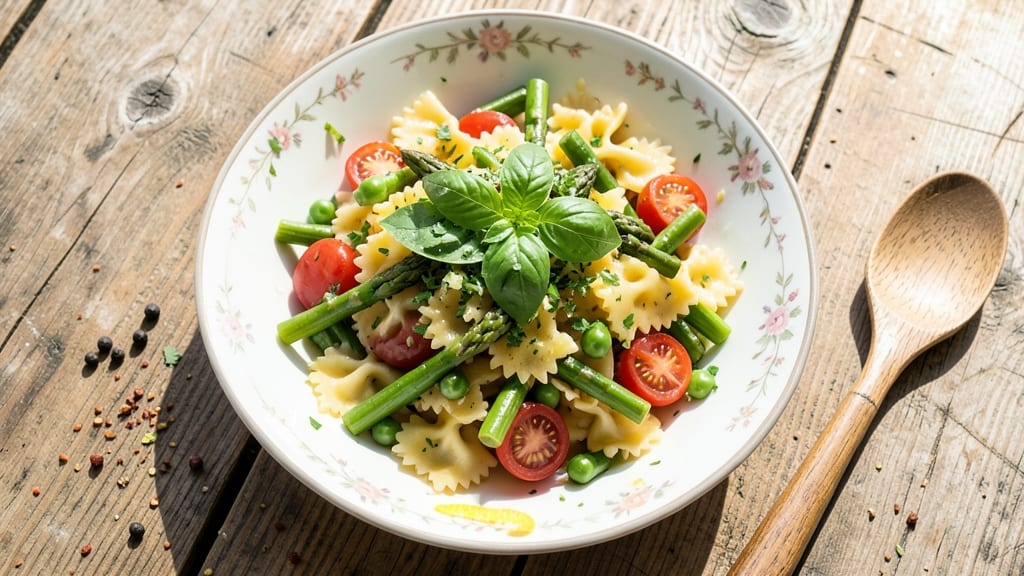
A cold spring pasta salad recipe deserves a dish that feels as light and bright as the season itself—this lemon-herb version stays fresh for days while delivering crisp textures and vibrant flavors.
The secret lies in al dente pasta, fresh spring vegetables like asparagus and peas, and a dressing that brightens rather than overwhelms. I developed this recipe after years of making spring salads that turned soggy by lunchtime, and this method guarantees crispness even after refrigeration.
The foundation is a simple yet transformative lemon-herb dressing that balances acidity with fresh herbs—no heavy mayo here. Cooked pasta gets tossed while still warm, allowing the dressing to cling perfectly. Add tender proteins like grilled chicken or chickpeas for substance, and fresh spring vegetables for that signature crunch.
This isn't just a side dish; it's a complete meal that works equally well as a lunch, picnic, or potluck centerpiece.
What makes this recipe truly special is its ability to shine in warm weather—no wilting, no soggy pasta, just vibrant, refreshing bites that taste even better the next day. The lemon dressing keeps everything bright while the herbs add layers of freshness.
Whether you're prepping for a week of lunches or bringing it to a spring gathering, this salad delivers restaurant-quality results with minimal effort.
For extra versatility, I've included variations for vegetarian options and protein additions that work beautifully. The key to perfect plating is arranging the salad in layers—pasta first, then vegetables, and finishing with fresh herbs and a drizzle of dressing.
This is spring cooking at its finest: effortless, seasonal, and always satisfying.
Ingredients for cold spring pasta salad
Bright spring ingredients meet a zesty lemon-herb dressing for a salad that stays crisp and vibrant all day.
| Ingredient | Amount | Notes |
|---|---|---|
| Short Pasta (e.g., Farfalle or Fusilli) 🍝 | 12 oz | Al dente, cooked while warm |
| Fresh Asparagus 🌱 | 1 lb | Trimmed, blanched for crispness |
| Fresh Peas (or Frozen) 🌿 | 1 cup | Thawed if frozen, whole |
| Cherry Tomatoes 🍅 | 1 ½ cups | Halved, seedless for clean bites |
| Fresh Basil Leaves 🌿 | ½ cup | Chopped, vibrant green |
| Fresh Parsley Leaves 🌿 | ¼ cup | Chopped, flat-leaf preferred |
| Lemon Juice 🍋 | ½ cup | Freshly squeezed, strained |
| Extra-Virgin Olive Oil 🫒 | ½ cup | Light, fruity variety |
| Dijon Mustard 🍯 | 1 tbsp | Mild, for depth of flavor |
| Garlic Cloves 🧄 | 4 cloves | Minced, fresh preferred |
| Salt 🧂 | 1 ½ tsp | Diamond Crystal kosher salt |
| Black Pepper 🌶️ | ½ tsp | Freshly ground, coarse |
| Grilled Chicken Breast 🍗 | 1 ½ lb | Diced, skinless, optional |
The foundation starts with fresh spring vegetables—asparagus and peas should be vibrant and firm. Whole Foods or local farmers' markets are ideal for peak freshness, but even grocery store produce works if you prep it right: blanch asparagus for exactly 2 minutes to lock in crispness. Cherry tomatoes should be firm and evenly colored—avoid those with soft spots. For herbs, farmers' market basil has more flavor than grocery store containers, but use what you have. The garlic should be plump and firm, not sprouting or dry. If you're short on time, frozen peas work perfectly—just thaw and drain well.
No fresh herbs? Dried basil or parsley at one-third the amount works, though texture suffers slightly. Grilled chicken can be swapped for chickpeas (1 can, drained) for a vegetarian option, or smoked salmon for a seafood twist. The lemon juice is critical—use freshly squeezed, not bottled. For extra depth, add 1 tsp of honey to the dressing if you prefer a touch of sweetness. Olive oil matters here: a light, fruity variety like California Early Harvest complements the lemon beautifully. If you're making this ahead, toss the dressing with the pasta last to prevent sogginess.
This salad tastes even better the next day—3-4 days in the fridge, sealed airtight. Portion into individual containers for easy lunches, or serve at room temperature for gatherings. The dressing separates slightly after refrigeration—just stir before serving. For extra crunch, add 1/4 cup sliced radishes or shredded carrots right before serving. The lemon-herb dressing keeps separately for 5 days if stored in a sealed jar, making this a versatile base for other spring dishes.
Why You'll Love This Recipe
- Here’s what sold me: asparagus and peas are seasonal but way cheaper than they look, and a box of farfalle lasts forever. Add a handful of tomatoes and basil, and you’ve got a salad that’s lighter than a spring breeze but way more satisfying than takeout. Not the prettiest, but the taste makes up for it—every. single. time.
- Spring in a Bowl: I swear, the second I taste that bright burst of peas and asparagus with the chewy farfalle, I’m transported straight to a garden picnic. The cherry tomatoes add a sweet pop that cuts through the richness—no heavy cream or weird ingredients, just pure springtime in every bite.
- No-Cook Magic: Honestly, this is one of those rare salads where the prep is almost too easy. Toss the pasta cold, snap those asparagus spears raw (no blanching needed), and fold in whatever peas you have on hand—fresh or frozen, it doesn’t matter. Five minutes of chopping, and you’re done. (Yes, even on a Tuesday night.)
- Picnic to Potluck: Between us, this is my go-to for anything: a lazy weekend brunch, a last-minute potluck, or even a work lunch that won’t make you miss the office. The basil stays fresh for days, and the pasta holds up—so it’s perfect for making ahead. My daughter still picks out the peas, but she’ll eat three servings anyway.
Step-by-step instructions for cold spring pasta salad
Assemble this vibrant salad with precision timing and fresh ingredients for maximum flavor retention.
Blanch and Prep Vegetables for Crisp-Tender Texture
Start by prepping the asparagus—trim the woody ends and cut into 1-inch pieces. In a pot of boiling salted water, blanch for 2 minutes until vibrant green but still crisp. Immediately transfer to an ice bath to halt cooking and preserve color. Drain well and set aside.
For the peas, if using frozen, thaw in cold water for 5 minutes. Halve the 1.5 cups cherry tomatoes, removing seeds for clean bites. Chop the 0.5 cup fresh basil leaves and 0.25 cup parsley leaves separately—keep them in airtight containers until ready to use. This prep ensures all components stay fresh and vibrant when combined.
Cook Pasta Al Dente and Cool Immediately
Boil the 12 oz short pasta in well-salted water until 1 minute before al dente (about 8-9 minutes for farfalle). Drain immediately and rinse under cold water to stop cooking. This prevents overcooking and ensures the pasta holds its shape when chilled. Spread on a baking sheet to cool completely—10 minutes is ideal before assembling.
I always use this cooling trick to prevent a gummy texture. Cold pasta absorbs dressing better and maintains its structure for days. Don't skip this step—it's what makes the salad hold up perfectly for picnics.
Create the Lemon-Herb Dressing with Perfect Balance
In a bowl, whisk together the 0.5 cup lemon juice, 0.5 cup extra-virgin olive oil, 1 tbsp Dijon mustard, 4 minced garlic cloves, 1.5 tsp salt, and 0.5 tsp black pepper. The dressing should emulsify naturally—if it separates, whisk vigorously for 30 seconds to combine. Taste and adjust seasoning, remembering the acidity will mellow slightly after chilling.
This dressing's acidity preserves freshness while the olive oil adds richness. The Dijon mustard provides depth without overpowering. Store any unused dressing in the fridge for up to 5 days—it keeps beautifully.
Assemble and Chill for Maximum Flavor Development
In a large bowl, gently combine the cooled pasta, blanched asparagus, peas, halved cherry tomatoes, and diced 1.5 lb grilled chicken breast (if using). Pour the dressing over everything and toss carefully to coat evenly. Fold in the chopped basil and parsley just before serving to maintain their vibrant color and fresh aroma.
Cover and refrigerate for at least 2 hours—this allows flavors to meld perfectly. The longer it chills, the better the taste. For best results, serve within 2 days when made ahead, as the asparagus and peas maintain their crispness remarkably well.
Serve with Fresh Garnishes and Optional Add-Ins
Before serving, give the salad one final toss to redistribute flavors. Garnish with additional chopped parsley and a sprinkle of flaky sea salt. For extra protein, you could add ½ cup crumbled feta or ¼ cup toasted pine nuts—just fold them in at the last minute to keep them crisp.
This salad's bright flavors shine best when served immediately after chilling. The lemon-herb dressing keeps everything fresh, while the grilled chicken adds hearty satisfaction. Perfect for spring gatherings where you want a dish that's as beautiful as it is delicious.
Pro Tips For Making Cold Spring Pasta Salad
- Blanch Asparagus First: Drop asparagus in boiling salted water for 90 seconds—just until bright green and tender-crisp—then shock in ice water. This stops cooking and keeps it from turning mushy later. I used to roast it, but blanching preserves that fresh spring snap without drying it out.
- Shock Pasta Immediately: Drain your pasta in a colander, but don’t rinse—toss it straight into ice water for 2 minutes. This halts cooking, preserves texture, and prevents that sticky, overcooked feel. I learned this after a salad turned into a sad, gummy mess.
- Prep Peas Right: If using frozen peas, thaw them in warm water for 2 minutes—no need to boil—then drain well. Fresh peas? Shell them and shock in ice water too. Cold peas stay bright and don’t release starch like room-temp ones.
- Toss Basil Last: Reserve 10 fresh basil leaves until the very end, then tear them by hand and fold in gently. Whole leaves wilt in dressing; torn ones release flavor without turning the salad into a green sludge. (Yes, I’ve ruined salads this way.)
Perfect pairings for this recipe
Spring Beverage Pairings
This light, citrusy salad pairs beautifully with sparkling lemonade—mix 1 cup fresh lemon juice, ½ cup honey, and 4 cups sparkling water over ice.
The effervescence cuts through the richness of the dressing while complementing the herbs. For a boozy twist, add 1 oz gin or vodka per glass. 🍋
Crisp White Wine
A chilled Sauvignon Blanc from New Zealand or Loire Valley is ideal—its bright acidity and citrus notes mirror the lemon dressing. Look for wines with green apple or grapefruit undertones to enhance the spring vegetable flavors. Serve at 45-50°F for maximum refreshment.
Herbal Iced Tea
Brew a batch of mint-hibiscus iced tea by steeping ½ cup fresh mint leaves and ¼ cup dried hibiscus flowers in 4 cups boiling water for 10 minutes. Sweeten lightly with honey and chill. The herbal notes harmonize perfectly with the basil and parsley in the salad.
Light Beer Options
For beer lovers, a crisp wheat beer like Blue Moon or Hoegaarden works wonderfully. The slight sweetness balances the acidity, while the effervescence cleanses the palate. Avoid heavy lagers—they'll overpower the delicate flavors. Serve at 40°F for optimal refreshment.
Garnish for Extra Flavor
Add a lemon twist or sprig of fresh rosemary to drinks for visual appeal and extra aroma. The rosemary's piney notes complement the herbs in the salad beautifully.
For a non-alcoholic option, try sparkling water with a splash of pomegranate juice—it adds a subtle tartness that enhances the overall experience.
Make-Ahead Drink Tips
Prep drinks ahead by making large batches of lemonade or iced tea, then refrigerate in airtight containers. For carbonated drinks, store separately and add sparkling water just before serving.
The key is keeping everything chilled—use insulated drink dispensers for picnics or gatherings. This ensures your beverages stay refreshing alongside the salad. ✨
Nutrition facts
Frequently asked questions
Can I use this pasta salad recipe for a vegetarian version?
Simply swap the grilled chicken for 1 can (15 oz) chickpeas (drained and rinsed) or ½ cup crumbled feta cheese. For extra protein, add ½ cup toasted walnuts or sunflower seeds. The lemon-herb dressing works perfectly with plant-based proteins—just fold them in at the last minute to keep them crisp.
How do I keep the asparagus from getting mushy in the salad?
Blanching is key! Cook asparagus for exactly 2 minutes in boiling water, then immediately transfer to an ice bath to stop cooking. Drain well and pat dry before adding to the salad. Never overcook—this preserves the crisp texture. For extra insurance, add the asparagus to the salad just before serving.
Can I make this salad ahead of time?
Yes, this recipe actually tastes better when made ahead! Assemble everything (except fresh herbs) and refrigerate for 2-4 hours before serving. The flavors meld beautifully, and the dressing keeps the vegetables crisp. Store in an airtight container for up to 3 days. Just add fresh basil and parsley right before serving.
What's the best pasta shape for this recipe?
Short pasta shapes like farfalle (bowties), fusilli (spirals), or penne work best—they hold dressing well and stay al dente when chilled. Avoid long, flat noodles like spaghetti, as they can get mushy. Cook pasta 1 minute less than package instructions for perfect texture.
Why does my dressing separate after refrigeration?
This happens when the oil and lemon juice aren't properly emulsified. Whisk vigorously for 30 seconds before adding to the salad, or add 1 tsp of Dijon mustard to help bind the ingredients. If it separates after chilling, just stir gently before serving—the flavors will still be delicious!