
Salads
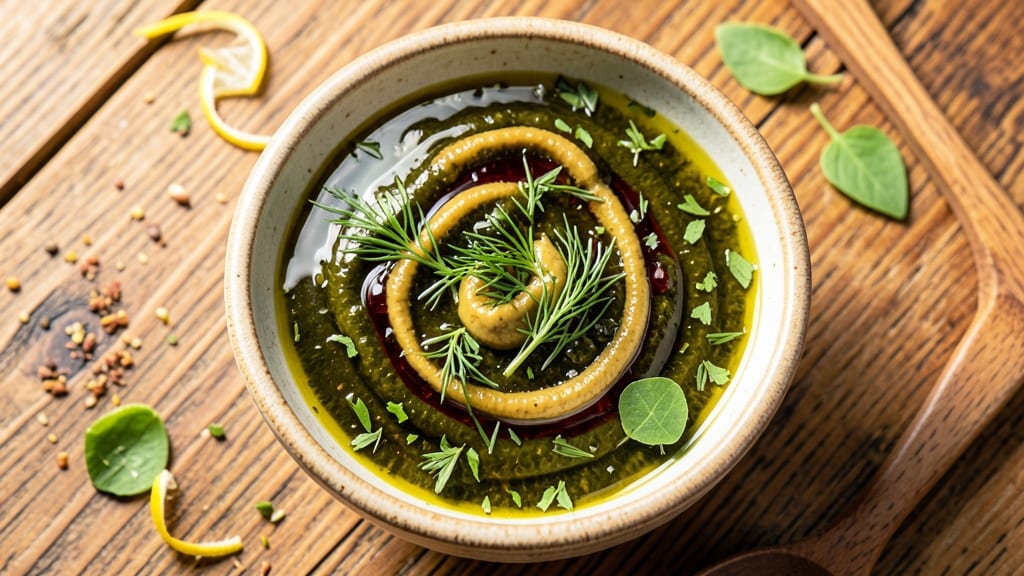
This vegan Greek salad dressing recipe delivers the same bright herb zing you crave without dairy, mayo, or eggs. The secret lies in balancing tangy lemon, sharp red wine vinegar, and extra-virgin olive oil with fresh oregano and dill—just like your favorite Mediterranean taverna, but with a plant-based twist.
I developed this recipe after years of testing vegan alternatives, and it finally captures that signature Greek flavor profile without compromise.
What sets this dressing apart is the fresh herb blend—dried herbs just won't cut it. We're talking vibrant oregano and dill, finely chopped and steeped in the dressing for maximum flavor infusion. The texture is silky-smooth thanks to a touch of Dijon mustard, which also adds subtle depth.
Unlike many vegan dressings that rely on thickeners, this one stays naturally light and drizzable, perfect for tossing with crisp greens or drizzling over grilled vegetables.
The result is a dressing that's tangy yet balanced, herby without being overpowering, and rich enough to stand up to bold flavors. It keeps beautifully in the fridge for up to 10 days, allowing the flavors to deepen over time.
The best part? It takes just 5 minutes to make and requires only 7 simple ingredients you likely already have on hand.
This dressing works equally well on classic Greek salads, as a marinade for tofu or tempeh, or even as a finishing drizzle for roasted potatoes. The bright acidity cuts through rich flavors while the olive oil adds luxurious mouthfeel.
Let's make this dressing that brings authentic Greek flavor to every bite.
Ingredients for vegan greek salad dressing
Seven simple ingredients transform into a tangy, herby dressing that rivals any taverna classic.
| Ingredient | Amount | Notes |
|---|---|---|
| Extra-Virgin Olive Oil 🫒 | ¾ cup | High quality, fruity, cold-pressed |
| Red Wine Vinegar 🍷 | ⅓ cup | Dry, not balsamic |
| Fresh Dill 🌿 | ¼ cup | Finely chopped, stems removed |
| Fresh Oregano 🌿 | ¼ cup | Finely chopped, vibrant green |
| Fresh Lemon Juice 🍋 | ¼ cup | Freshly squeezed, no pulp |
| Dijon Mustard 🍯 | 1 tbsp | Mild or hot, no sugar added |
| Sea Salt 🧂 | 1 tsp | Fine grain preferred |
The herbs are non-negotiable here—fresh dill and oregano from the grocery store's refrigerated section are your best bet, but if you're growing your own, snip the freshest leaves you can find. Whole Foods or Trader Joe's usually have the brightest, most vibrant options. For the olive oil, look for Italian or Greek varieties—they've got that peppery kick that makes this dressing sing. Red wine vinegar should be dry, not sweet, and Bartles & Jaymes is a solid budget pick if you're not splurging on a fancy bottle. The lemon juice? Use organic lemons if possible—they're brighter and more flavorful.
No fresh dill? Substitute with 1 tbsp dried dill, but it won't be as vibrant. Short on oregano? Fresh thyme or marjoram can work in a pinch, but reduce to 2 tbsp. For the vinegar, apple cider vinegar works in a bind, though it'll have a slightly different tang. The Dijon mustard is key for that silky texture—no mustard? Skip it, but the dressing will be slightly thinner. If you're making this ahead, store the herbs separately until you're ready to use it, as they'll wilt quickly in the dressing.
This keeps beautifully in the fridge for up to 10 days, with flavors deepening over time. For the freshest taste, use within 3-4 days. If you're prepping ahead, store the dressing in a sealed jar and shake well before each use. The herbs will settle, so give it a good stir. For extra shelf life, add a thin layer of olive oil on top before sealing—it acts as a natural preservative. Freezing isn't recommended, as the texture will break down.
Why You'll Love This Recipe
- No-Chop Required: I swear by this one—just toss in whole dill sprigs and oregano stems, then let them steep in the olive oil and vinegar. No blade needed, no mess, and the herbs still infuse that bright, herby punch.
- Lemon-Garlic Zing: That first sip of lemon juice cutting through the rich olive oil? It’s like a wake-up call for your taste buds. The red wine vinegar adds a tangy depth, and honestly, it’s the kind of dressing that makes you want to eat salad for breakfast.
- Meal Prep MVP: I make a big batch on Sundays and keep it in the fridge for the week—perfect for tossing with roasted veggies, grain bowls, or even drizzling over pasta. The flavors only get better as it sits, so you’re never stuck scrambling for a dressing.
- Budget Brightener: Extra-virgin olive oil and vinegar are pantry staples, and a few sprigs of dill stretch further than you’d think. Between us, this is the dressing I reach for when I’m pinching pennies but still want something that tastes like a restaurant dish.
Step-by-step instructions for vegan Greek salad dressing
Here's how to blend bold flavors with simple, plant-based ingredients.
Finely Chop the Fresh Herbs
Grab the 0.25 cup fresh dill and 0.25 cup fresh oregano and give them a good wash under cold water. Pat them completely dry with paper towels—any moisture will dilute your dressing. Using a sharp chef's knife, finely chop both herbs together in a small bowl. You want tiny, even pieces that will blend smoothly into the dressing without leaving texture. Here's the thing—don't skip this step. Fresh herbs add that signature Greek brightness, and chopping them finely ensures every bite of your salad gets that herby punch.
I like to use the "rock chop" method for this: place the herbs on a cutting board, hold the knife at a slight angle, and chop in small motions while rocking the knife back and forth. This creates uniform, tiny pieces that will distribute perfectly throughout the dressing. Once chopped, set the herbs aside—they'll be ready to join the other ingredients in just a moment.
Whisk Together the Wet Ingredients
In a medium bowl, combine the 0.75 cup extra-virgin olive oil, 0.33 cup red wine vinegar, 0.25 cup fresh lemon juice, and 1 tbsp Dijon mustard. Use a whisk to blend these ingredients thoroughly for about 30 seconds. You're looking to create an emulsified base that will hold all the flavors together. The olive oil and vinegar should start to look slightly cloudy as they begin to mix.
This is where the magic starts. The acidity from the vinegar and lemon juice will brighten the rich olive oil, while the Dijon mustard adds a subtle depth that ties everything together. Don't rush this step—properly emulsifying these ingredients now will prevent your dressing from separating later. If you notice the mixture looking too thick, you can add 1-2 tablespoons of water to help it flow more smoothly.
Add the Herbs and Season
Now it's time to incorporate the chopped herbs. Add the finely chopped dill and oregano to the bowl with the wet ingredients. Using the whisk again, stir everything together gently for about 1 minute. You want the herbs to be fully distributed throughout the dressing without over-mixing, which could make the dressing too thick.
Finally, add the 1 teaspoon sea salt and give everything one last stir. Taste your dressing at this point—it should be tangy, herby, and slightly peppery from the mustard. If it needs more acidity, add a little more lemon juice. If it needs more richness, add a bit more olive oil. Remember, you can always adjust the flavor, but you can't take it out once it's in. This is your chance to perfect the balance before it goes on your salad.
Let It Rest and Emulsify
Transfer the dressing to a clean jar or airtight container. Let it sit at room temperature for at least 10 minutes—this resting period allows all the flavors to meld together and the dressing to fully emulsify. The longer it sits, the better the flavors will blend, so if you have time, let it rest for up to 30 minutes before using.
I know it's tempting to use it immediately, but this step makes a world of difference. The flavors will develop and deepen, and the dressing will become perfectly smooth. Once it's ready, give it one final stir before using. Your vegan Greek salad dressing is now ready to elevate any salad, from classic Greek to hearty grain bowls. The best part? It keeps well in the refrigerator for up to 1 week, so you can make a big batch and enjoy it all week long.
Pro Tips For Making Vegan Greek Salad Dressing
- STRAIN THE HERBS: After chopping fresh dill and oregano, give them a quick press in a fine-mesh strainer or between your fingers to remove any bitter stems—especially the dill. I learned this the hard way when my dressing tasted harshly grassy because I skipped it. A 10-second squeeze makes all the difference.
- EMULSIFY IN STAGES: Don’t dump all the olive oil into the vinegar at once—start with 2 tablespoons, whisk until smooth, then add the rest gradually. This keeps the dressing from breaking and turning into two separate layers. (Yes, even if you’re impatient like me.)
- USE COLD LEMON JUICE: Chill the lemon juice in the fridge for 10 minutes before mixing—it balances the acidity better and prevents the dressing from getting too sharp. I was skeptical until I tried it; now I never skip this step.
- SALT THE OIL FIRST: Add a pinch of salt directly to the olive oil before whisking it into the vinegar and herbs. The salt helps the dressing cling to the salad and prevents the flavors from separating later. (No, it’s not just for taste—it’s structural.)
Wine and beer pairings for this vegan greek salad dressing
Crisp White Wine Pairings
For this bright, herby dressing, I reach for a dry Greek Assyrtiko—its crisp acidity mirrors the lemon and vinegar perfectly while the mineral notes complement the olive oil. A chilled Sauvignon Blanc from New Zealand also works beautifully, especially if you're serving this with a grilled vegetable platter.
The citrusy brightness in these wines enhances the dressing's tangy profile without overpowering it. 🍷
Light Beer Complements
A crisp Greek lager like Fix or Mythos is my go-to beer pairing—its clean, slightly malty profile lets the dressing's herby notes shine through. For something with a bit more character, try a Belgian witbier like Stella Artois Wit—the coriander and citrus notes create a delightful contrast.
Avoid heavy stouts or IPAs, as they'll clash with the delicate acidity of the dressing.
Sparkling Wine Elevation
If you're feeling fancy, Prosecco or Cava add a luxurious touch to your salad experience. The bubbles cleanse your palate between bites, making each herby note in the dressing stand out.
I like to serve this pairing when hosting—it feels special but still approachable. For a non-alcoholic option, sparkling water with a splash of lemon works just as well.
Red Wine for Heartier Pairings
If you're serving this dressing with a grilled tofu or tempeh bowl, a light Pinot Noir from Greece or Oregon can handle the richness. The red fruit notes in these wines actually complement the oregano and dill beautifully.
Just avoid bold Cabernets—they'll overpower the delicate dressing flavors. A rosé with good acidity also works wonderfully for a summer meal.
Regional Wine Recommendations
For an authentic Greek experience, pair with Santorini Assyrtiko—its volcanic mineral notes enhance the dressing's brightness. In Italy, a Vermentino from Sardinia offers similar acidity and citrus undertones. When in doubt, stick with wines from Mediterranean regions—they're bred to complement these exact flavor profiles. 🌍
Nutrition facts
Frequently asked questions
Can I use dried herbs instead of fresh in this vegan Greek dressing?
You can substitute, but fresh herbs make all the difference! Use 1 tbsp dried dill and 1 tbsp dried oregano for the same flavor impact, but the texture will be slightly less vibrant. For best results, purchase the freshest herbs possible from the grocery store's refrigerated section—they'll have the brightest flavor. If using dried, let them steep in the dressing for 5 minutes before blending to release maximum aroma.
How do I fix my dressing if it separates?
Separation happens when oil and vinegar don't properly emulsify. Whisk in 1 tsp Dijon mustard or ½ tsp xanthan gum (for vegan recipes) while adding 1 tbsp warm water at a time until smooth. For a quick fix, blend the separated dressing in a blender for 10-15 seconds. The key is proper emulsification from the start—whisk vigorously for 30 seconds when combining wet ingredients.
What's the best way to store this dressing?
Transfer to an airtight jar and store in the fridge for up to 10 days. For longer storage, pour a thin layer of olive oil on top before sealing to preserve freshness. Shake well before each use—the herbs will settle. Freezing isn't recommended as it alters the texture. If making ahead, store the herbs separately until ready to use to maintain their vibrant color and flavor.
Can I make this dressing without Dijon mustard?
The mustard adds texture and depth, but you can omit it for a smoother dressing. If skipping, reduce the olive oil by 1 tbsp to maintain balance. For extra tang, add ½ tsp apple cider vinegar or a pinch of garlic powder. The dressing will be thinner but still delicious—just stir vigorously to combine all ingredients thoroughly.
What's the secret to getting that authentic Greek flavor?
The magic lies in the herb-to-oil ratio and freshness. Use high-quality extra-virgin olive oil (preferably Greek) and chop the herbs extremely finely. Let them steep in the dressing for 10+ minutes before serving. For extra depth, add ½ tsp garlic powder or a pinch of smoked paprika. The combination of bright lemon, sharp vinegar, and fresh herbs creates that signature Greek brightness without any dairy.