Salads
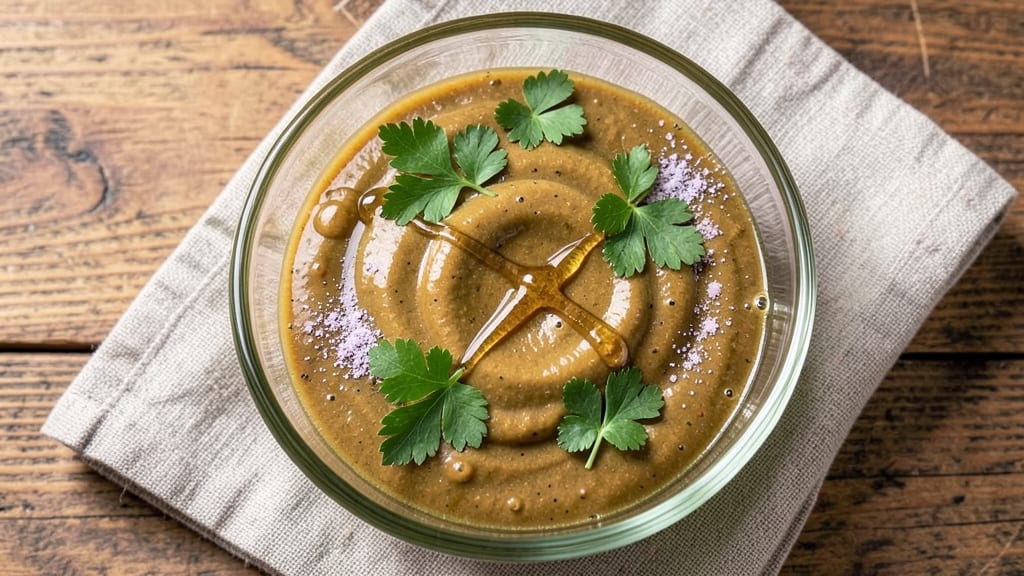
This yeast-free salad dressing recipe delivers restaurant-quality tangy vinaigrette without waiting for fermentation. 💛 The secret lies in balancing sharp vinegar with sweet and savory elements, creating a dressing that's bright, flavorful, and ready in minutes.
No yeast means no waiting—just immediate, vibrant flavor that elevates every salad, from crisp greens to hearty grain bowls.
The foundation is simple: high-quality olive oil meets a mix of apple cider vinegar, Dijon mustard, and a touch of honey for depth. Fresh herbs like parsley or basil add aromatic brightness, while garlic and onion powder contribute subtle complexity.
This dressing stays fresh for up to a week in the fridge, making it perfect for meal prep without compromising flavor.
What sets this recipe apart is its versatility—toss it with mixed greens, drizzle over roasted vegetables, or use it as a marinade. The tangy-sweet balance cuts through rich ingredients while enhancing their natural flavors. No fermentation required, just pure, immediate satisfaction in every bite.
For extra richness, stir in a spoonful of Greek yogurt or mayo, or swap the honey for maple syrup for a different depth. The possibilities are endless, but the base remains foolproof—no yeast, no fuss, just great-tasting dressing every time.
Ingredients for yeast free salad dressing
Bright, tangy vinaigrette with restaurant-quality depth—no yeast, no fermentation, just vibrant flavor.
| Ingredient | Amount | Notes |
|---|---|---|
| Extra-Virgin Olive Oil 🫒 | ¾ cup | High-quality, fruity, cold-pressed |
| Apple Cider Vinegar 🍏 | ⅓ cup | Raw, unfiltered preferred |
| Dijon Mustard 🌶️ | 1 tbsp | Whole-grain for texture |
| Raw Honey 🍯 | 2 tbsp | Local preferred for flavor |
| Fresh Parsley Leaves 🌿 | ⅓ cup | Finely chopped, stems removed |
| Garlic Powder 🧄 | ½ tsp | Freshly ground preferred |
| Onion Powder 🧅 | ½ tsp | Not onion salt |
| Sea Salt 🧂 | ½ tsp | Diamond Crystal preferred |
| Black Pepper 🌶️ | ¼ tsp | Freshly cracked |
| Greek Yogurt (optional) 🥛 | ¼ cup | Full-fat for creaminess |
The olive oil is non-negotiable here. Look for extra-virgin with a harvest date within the last year—the fresher, the better. Whole Foods and Trader Joe's carry excellent options, but local olive oil producers often have the best flavor profiles. Apple cider vinegar should be raw and unfiltered—think of it as the backbone of this dressing. Bragg is a solid choice, but any raw vinegar will work. For the honey, local is ideal, but any raw honey will add that subtle depth. The Dijon mustard brings texture and tang, so don't skip it—even if you're not a mustard fan, trust me on this one.
No Greek yogurt? Substitute with vegan mayo or an extra tablespoon of honey for richness. Short on parsley? Fresh basil or tarragon work beautifully—just adjust the amount to taste. The garlic and onion powders are subtle but essential; if you want more punch, add a pinch of smoked paprika. For a sweeter dressing, increase the honey to 3 tablespoons. The key is balance—start with the measurements, then adjust to your taste. If it's too tangy, add more honey; if it's too sweet, a splash of vinegar fixes it instantly.
Store in an airtight glass jar in the fridge for up to one week. The flavors meld beautifully over time, so it tastes even better the next day. For meal prep, double the batch—it's perfect for roasted vegetables, grain bowls, or as a marinade. The optional yogurt adds creaminess but isn't necessary; omit it if you prefer a lighter dressing. If the dressing separates, just give it a good shake before using—it's normal and doesn't affect flavor.
Why You'll Love This Recipe
- I’ll be real: this dressing takes three minutes—just whisk, taste, adjust. No measuring cups, no yeast waiting to rise, just you, a jar, and a spoon. The honey and Dijon blend instantly, so you’re not stuck with clumpy store-bought gunk.
- No Fuss, No Mess: I’ll be real: this dressing takes three minutes—just whisk, taste, adjust. No measuring cups, no yeast waiting to rise, just you, a jar, and a spoon. The honey and Dijon blend instantly, so you’re not stuck with clumpy store-bought gunk.
- Tangy-Sweet Magic: That apple cider vinegar cut with raw honey? It’s the kind of balance that makes you pause mid-bite. The parsley adds a bright finish, and honestly, it’s the only dressing I’ll drizzle on everything from grain bowls to roasted veggies without guilt.
- Weeknight Survival Tool: Between us, this is my go-to when I’m too tired to think. It’s the perfect base for meal prep—stays fresh for days in the fridge, and I’ve used it on salads, sandwiches, even as a marinade. (Yes, even on a Tuesday night.)
Step-by-step instructions for yeast-free salad dressing
This tangy vinaigrette comes together in minutes without waiting for fermentation.
👨🍳 Step 1: Whisk Vinegar and Mustard to Create an Emulsion
In a medium bowl, combine the 0.33 cup apple cider vinegar with the 1 tbsp Dijon mustard. Use a whisk and work vigorously for 30 seconds until the mixture becomes slightly thickened and smooth. The mustard acts as an emulsifier, helping the oil and vinegar blend seamlessly later.
Here's the thing—this initial step is critical. The vinegar and mustard base needs to be fully incorporated before adding oil, or you'll end up with a separated dressing. If you see any streaks of mustard remaining, keep whisking for another 10 seconds until uniform.
🍳 Step 2: Gradually Incorporate Olive Oil for a Silky Texture
With the whisk still in the bowl, begin adding the 0.75 cup extra-virgin olive oil very slowly—about 1 tablespoon at a time. After each addition, whisk vigorously for 5-10 seconds until the oil is fully incorporated. This gradual approach prevents the dressing from breaking and ensures a smooth, velvety consistency.
You'll notice the mixture transform from a thin liquid to a thick, glossy emulsion. If it starts to look too thick, add 1 teaspoon of water and whisk again. The goal is to create a dressing that coats the back of a spoon without being overly heavy.
👨🍳 Step 3: Sweeten and Season the Base
Add the 2 tbsp raw honey, 0.5 tsp garlic powder, 0.5 tsp onion powder, 0.5 tsp sea salt, and 0.25 tsp black pepper to the bowl. Whisk everything together for 20-30 seconds until the honey is fully dissolved and the seasonings are evenly distributed. The honey not only sweetens but also helps balance the acidity of the vinegar.
Taste the mixture at this stage. It should be tangy, slightly sweet, and well-seasoned. If it needs more salt, add ¼ teaspoon at a time—it's easier to adjust now than later. This is also the moment to add the 0.25 cup Greek yogurt (optional) if you're using it for a creamier texture. Whisk until fully combined.
🥘 Step 4: Fold in Fresh Parsley for Brightness and Color
Gently fold in the 0.33 cup finely chopped fresh parsley leaves using a spatula, being careful not to overmix. The parsley adds a fresh, vibrant note that cuts through the richness of the olive oil. If you prefer a smoother texture, you can pulse the parsley in a food processor before adding it.
Real talk: The parsley should be finely chopped—no large chunks. If your parsley is coarse, give it a quick pulse in a mini food processor or chop it more finely with a knife. The dressing should now have a bright green hue and a fresh, herby aroma that signals it's ready to use.
⏰ Step 5: Rest and Adjust for Perfect Consistency
Cover the bowl with plastic wrap and let the dressing rest at room temperature for 10-15 minutes. This resting period allows the flavors to meld and the emulsion to stabilize. After resting, give it one final taste and adjust the seasoning if needed—perhaps a touch more honey for sweetness or a splash of vinegar for tang.
For best results, use the dressing within 5-7 days when stored in an airtight container in the refrigerator. Shake or whisk well before each use, as the oil may separate slightly over time. This dressing is versatile—drizzle it over greens, toss it with roasted vegetables, or use it as a marinade for grilled meats.
Pro Tips For Making Yeast Free Salad Dressing
- Whisk in Stages: Start with the vinegar and mustard—this keeps the honey from turning grainy right away. After 30 seconds of mixing, slowly drizzle in the olive oil while whisking continuously. I learned this the hard way when I dumped everything in at once and ended up with a clumpy mess.
- Pulse the Parsley: Don’t chop the parsley—give it 3-4 quick pulses in a food processor before adding it to the dressing. This releases more flavor without turning it into a paste. (Yes, even if you’re impatient like me, resist the urge to over-blend.)
- Taste Before Sweetening: Skip adding honey until you’ve tasted the base of vinegar, mustard, and oil first. The acidity in apple cider vinegar can trick you into over-sweetening. Trust me, you’ll regret it later.
- Store Oil Separate: Keep the olive oil in a separate container if you’re making this ahead. Re-emulsify by shaking or whisking vigorously before using—it’ll look weird, but it’ll taste fresh. (Your future self will thank you.)
Common mistakes when making your yeast free salad dressing
Over-Whisking the Oil
One of the most common mistakes is adding all the olive oil at once and whisking too aggressively. This can cause the dressing to break, creating a greasy, separated mess. Instead, add the oil 1 tablespoon at a time while whisking gently.
The key is patience—rushing this step ruins the emulsion. If you see oil pooling on top, slow down and let the whisk do the work. 💡
Skipping the Resting Time
Many people pour the dressing over their salad immediately after mixing, but this is a big mistake. Letting it rest for 10-15 minutes allows the flavors to meld and the emulsion to stabilize.
Without resting, the dressing might taste disjointed or overly sharp. Trust the process—your salad will thank you for the wait!
Using Low-Quality Ingredients
Cheap olive oil or vinegar will make your dressing taste flat and unappetizing. Always use extra-virgin olive oil and raw, unfiltered apple cider vinegar. The difference in flavor is night and day. I recommend Whole Foods or Trader Joe’s for reliable options—skip the store-brand basics.
Ignoring the Mustard
Some people skip the Dijon mustard or use regular yellow mustard, thinking it’s optional. But Dijon is the secret emulsifier that keeps the oil and vinegar from separating.
If you’re avoiding mustard, try a 1 tsp of honey or maple syrup as a substitute, but the texture won’t be as stable. Don’t cut corners here!
Over-Salting Early
Adding all the salt at once can make the dressing too salty before the flavors balance. Instead, taste after adding the honey and seasonings, then adjust ¼ tsp at a time.
It’s easier to fix under-seasoned dressing than to salvage an overly salty one. Trust your taste buds—they’re smarter than you think. ✨
Not Shaking Before Use
Even the best emulsions can separate slightly over time. Always shake or whisk the dressing vigorously before pouring it over your salad. A quick 30-second shake ensures a smooth, creamy texture. Skipping this step means a greasy, uneven drizzle—no one wants that!
Nutrition facts
Frequently asked questions
Can I make this yeast-free dressing without honey?
Swap the honey for 2 tbsp maple syrup or 1 tbsp agave nectar for a vegan option. For a fruitier twist, try 1 tbsp lemon juice + 1 tbsp sugar. The key is maintaining that sweet-tangy balance—just adjust to taste after mixing.
How do I keep the dressing from separating after storage?
Separation is normal—just give it a 30-second vigorous shake before using. For extra stability, add ½ tsp xanthan gum when mixing. Store in an airtight glass jar, and avoid adding yogurt if you're concerned about separation. The emulsion will always come back with proper shaking!
What's the best way to use this dressing beyond salads?
This versatile dressing works as a marinade for grilled chicken or fish, a dip for crudités or pita chips, or a finishing sauce for roasted vegetables. For extra richness, reduce it by simmering for 5 minutes to create a glaze. The tangy-sweet profile elevates everything!
Can I make this dressing with coconut aminos instead of vinegar?
Yes, but the flavor will be milder and more savory. Use ⅓ cup coconut aminos + 1 tbsp rice vinegar to maintain balance. The dressing will have an Asian-inspired twist—great for Asian salads or grain bowls. Just reduce the honey slightly since coconut aminos are naturally sweeter.
Why does my dressing taste too sharp after refrigeration?
The vinegar's acidity becomes more pronounced when cold. Fix it by adding ½ tsp more honey or maple syrup and whisking well. For a smoother taste, let it sit at room temperature for 10 minutes before using. The flavors will mellow out naturally.