Salads
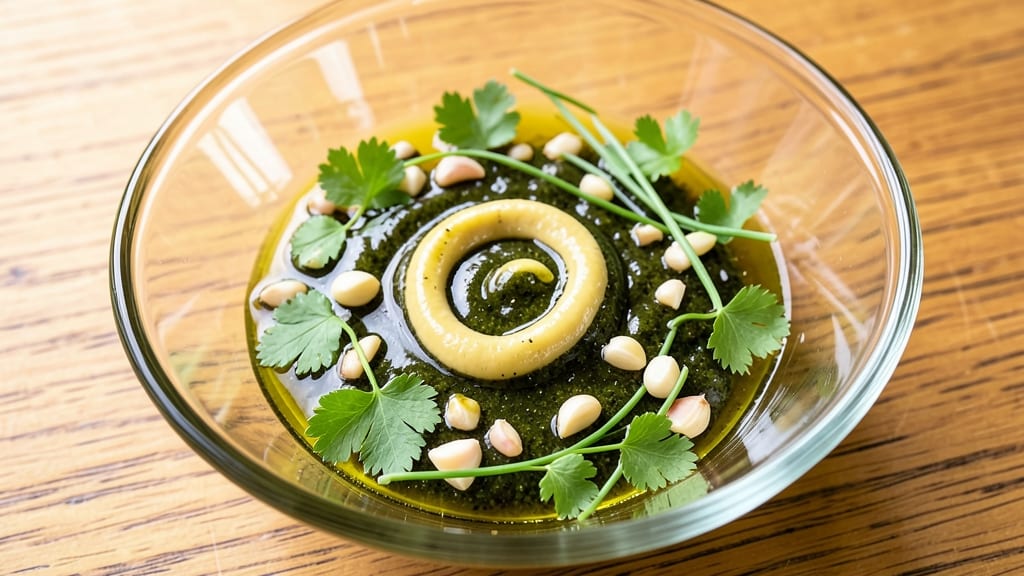
This 5 bean salad dressing recipe transforms simple greens into a vibrant, herb-packed masterpiece that clings to every leaf. The secret lies in balancing tangy red wine vinegar with bright lemon juice, creating a vinaigrette that's both bold and refined.
I developed this dressing after years of perfecting restaurant-quality salads at home—it's the kind of sauce that turns a basic salad into a showstopper.
The foundation is a simple yet powerful blend of olive oil, Dijon mustard, and fresh herbs like parsley and chives, which add freshness without overpowering the beans.
A touch of garlic and a pinch of salt elevate the flavors, while a splash of honey or maple syrup balances the acidity for a smooth, cohesive taste.
What makes this dressing truly special is its versatility—it works equally well on grain bowls, roasted vegetables, or as a marinade for grilled proteins.
What you'll end up with is a dressing that's rich enough to stand up to hearty beans but light enough to enhance delicate greens. The herbs infuse beautifully when whisked together, creating layers of flavor that deepen as the dressing sits.
This isn't just a side—it's the star of the meal, turning ordinary ingredients into something extraordinary.
Perfect for meal prep, picnic lunches, or elevating a quick weeknight dinner, this dressing keeps well in the fridge for up to a week. Whether you're serving it over a classic bean salad or drizzling it on grilled chicken, it's a game-changer that will become a staple in your kitchen.
Let's make it!
Ingredients for 5 bean salad dressing
Nine simple ingredients transform into a dressing that makes every bean salad extraordinary.
| Ingredient | Amount | Notes |
|---|---|---|
| Red Wine Vinegar 🍷 | ⅓ cup | Dry variety preferred |
| Extra-Virgin Olive Oil 🫒 | ½ cup | High quality, fruity |
| Dijon Mustard 🍯 | 1 tbsp | Mild or strong preferred |
| Fresh Parsley 🌿 | ¼ cup | Chopped, stems removed |
| Fresh Chives 🌱 | ⅛ cup | Finely chopped |
| Garlic Cloves 🧄 | 2 cloves | Peeled, minced fine |
| Maple Syrup 🍁 | 1 tbsp | Pure, grade B preferred |
| Sea Salt 🧂 | ½ tsp | Fine grain preferred |
| Black Pepper 🌶️ | ¼ tsp | Freshly ground preferred |
| Lemon Juice 🍋 | 1 tbsp | Freshly squeezed |
The herbs are what make this dressing special. Fresh parsley and chives from the grocery store's produce section work fine, but farmers market herbs have that extra brightness. Look for stems that are still vibrant—wilted herbs lose their punch. If you're using dried herbs, cut the amount to one-third. The garlic should be freshly minced (no pre-minced jars—they go rancid fast). For the vinegar, Bragg or Annie's are my go-tos, but any dry red wine vinegar will do. The olive oil? Don't skimp here—use something you'd drizzle on bread.
No maple syrup? Agave nectar or honey works just as well. Short on fresh herbs? Dried parsley at one-third the amount gets you close. The Dijon mustard can be swapped for whole-grain mustard if you prefer a nuttier flavor. For extra depth, add a pinch of onion powder or smoked paprika. If you're making this ahead, the dressing actually improves as it sits—flavors meld beautifully. Just give it a quick whisk before using. The lemon juice is key for brightness, so if you're using bottled, add an extra teaspoon to compensate.
This dressing keeps for up to 1 week in the fridge, but it's best used within 3-4 days for maximum freshness. Store it in a glass jar with a tight seal—the herbs will stay vibrant longer. I like to make extra and keep it in small containers for quick salads. If it thickens, just add a splash of water or more vinegar to loosen it up. Freezes beautifully too—portion into ice cube trays for single-use servings.
Why You'll Love This Recipe
- No-Chop Pantry Magic: I swear by this—just toss in dried beans (no soaking!) and the dressing comes together while you’re waiting. The vinegar and Dijon cut through any dryness, and honestly? The parsley and chives add brightness without a single knife stroke.
- Tangy, Herby Kick: That red wine vinegar isn’t just for show—it’s the backbone, sharp and bright, while the olive oil smooths it out. Dijon mustard ties it all together with a subtle bite, and the fresh herbs? They make this dressing taste like summer in a jar.
- Dresses Everything: Slather it on grilled chicken, drizzle over roasted veggies, or toss with pasta—it’s my go-to for weeknight dinners. Even better? It’s the star of a quick charcuterie board or a last-minute salad when you’re starving.
- Zero Waste, Max Flavor: Use up dried beans you’ve had sitting for months, and the dressing lasts forever in the fridge. I’ve made a batch last two weeks, and it’s still better than store-bought. Budget-friendly? Absolutely. Versatile? You bet.
Step-by-step instructions for herb-infused vinaigrette
This dressing comes together in minutes with bright, balanced flavors that transform simple salads.
Whisk Together the Acidic Base
In a medium bowl, combine the 0.33 cup red wine vinegar and 1 tablespoon lemon juice. This acidic foundation will brighten the entire dressing and cut through the richness of the olive oil. The vinegar should be dry variety—it has a cleaner, more robust flavor than malt vinegar.
Add the 1 tablespoon Dijon mustard and 1 tablespoon maple syrup to the bowl. The mustard adds depth and helps emulsify the dressing, while the maple syrup balances the acidity with a touch of sweetness. Whisk vigorously for about 30 seconds until these ingredients are fully incorporated and smooth.
Add Aromatics and Seasonings
Finely mince the 2 cloves garlic and add them to the bowl. I like to use a microplane for this—it creates a fine, even texture that distributes beautifully throughout the dressing. Add the 0.5 teaspoon sea salt and 0.25 teaspoon black pepper next, giving everything a thorough stir to combine.
This is where the dressing starts to take shape. The garlic adds aromatic complexity, while the salt and pepper form the seasoning backbone. Taste the mixture now—it should be tangy, slightly sweet, and just beginning to come together. If it tastes too sharp, add another ½ teaspoon maple syrup. If it needs more acidity, add ½ teaspoon lemon juice.
Incorporate the Fresh Herbs
Add the 0.25 cup chopped fresh parsley and 0.125 cup finely chopped fresh chives to the bowl. These herbs bring freshness and color to the dressing. I like to use a small sharp knife for the parsley and a pair of kitchen shears for the chives—this keeps the texture consistent and prevents any large stems from making the dressing grainy.
Gently fold the herbs into the mixture using a rubber spatula. You want to distribute them evenly but avoid overmixing, which could bruise the leaves and make the dressing look muddy. The herbs should be visibly distributed throughout the dressing, giving it a vibrant green appearance.
Slowly Emulsify the Olive Oil
With the whisk in hand, slowly drizzle in the 0.5 cup extra-virgin olive oil. This is the most critical step—adding the oil too quickly will cause the dressing to separate. Start with a slow, steady stream, whisking constantly to help the oil incorporate smoothly.
Continue whisking for about 1-2 minutes after all the oil is added. The dressing should begin to thicken and coat the back of the spoon. If it still looks broken or separated, whisk in another ½ teaspoon Dijon mustard or ½ teaspoon maple syrup to help bind it together. The final texture should be silky and well-emulsified, with no visible separation.
Taste and Adjust for Perfection
Taste the dressing and make any final adjustments. It should have a perfect balance of tangy, sweet, herby, and savory flavors. If it needs more acidity, add another ½ teaspoon lemon juice. If it tastes too sharp, add another ½ teaspoon maple syrup. For more depth, add a pinch of sea salt or a crack of black pepper.
Transfer the dressing to a clean jar or airtight container. It will keep in the refrigerator for up to 1 week, making it perfect for meal prep. Give it a good shake before each use, as the ingredients may settle over time. This herb-infused vinaigrette will elevate any bean salad, grain bowl, or fresh greens with its vibrant, complex flavor.
Pro Tips For Making 5 Bean Salad Dressing
- Whisk Like You Mean It: This isn’t a smoothie—aggressive whisking for 30 seconds after mixing the vinegar and mustard actually emulsifies the oil better than gentle stirring. I used to half-ass it, and the dressing always broke after an hour. Now? It stays creamy for days.
- Use Ice-Cold Vinegar: Chill your red wine vinegar in the fridge for 10 minutes before mixing. Warm vinegar makes the dressing separate faster, and cold vinegar also mellows out any harsh acidity. (Yes, it’s weird, but it works—trust me.)
- Chop Herbs Fine Enough: If you leave the parsley and chives in big chunks, you’re just decorating. Pulse them in a food processor for 3-4 seconds—just until they’re confetti-sized. This distributes their flavor evenly instead of making you pick them out.
- Balance the Mustard First: Taste the mustard before adding oil—if it’s too sharp, mix in a teaspoon of honey or sugar. Too mild? Add a pinch of salt. Adjusting the base flavor before emulsifying saves you from fixing a bland or bitter dressing later. (Your future salads will thank you.)
Health benefits of these flavors
Plant-Based Protein Boost
This dressing is a fantastic way to add plant-based protein to your meals without sacrificing flavor. The beans in your salad combine with the dressing to create a complete protein profile when paired with whole grains like quinoa or brown rice.
A 1-cup serving of beans provides about 15 grams of protein, and the herbs in the dressing enhance nutrient absorption. 💪
Rich in Antioxidants
The fresh parsley and chives in this dressing are packed with antioxidants like vitamin C and vitamin K. These nutrients help combat oxidative stress in your body and support immune function.
The red wine vinegar also contains polyphenols, which have been linked to reduced inflammation. Together, they create a flavorful way to boost your daily intake of these protective compounds.
Heart-Healthy Fats
The extra-virgin olive oil in this dressing provides heart-healthy monounsaturated fats, which help lower bad cholesterol levels. A 2-tablespoon serving of this dressing contains about 10 grams of healthy fats, supporting cardiovascular health.
The garlic in the dressing also contributes allicin, a compound known for its blood pressure-lowering effects. 🌿
Digestive Benefits
The combination of beans and vinegar in this dressing promotes digestive health. Beans are high in fiber, which supports gut regularity, while the vinegar aids in digestion and may help regulate blood sugar levels.
The maple syrup adds a touch of natural sweetness without the blood sugar spikes of refined sugar. This makes the dressing a great choice for those focused on digestive wellness.
Low-Calorie Yet Flavorful
If you're watching your calorie intake, this dressing is a great option. A 2-tablespoon serving contains around 60 calories but delivers bold, satisfying flavors. The vinegar and lemon juice provide tanginess without adding significant calories, while the herbs enhance the perception of freshness.
It's the perfect way to keep your meals exciting while staying mindful of your dietary goals. ✨
Blood Sugar Balance
The maple syrup in this dressing adds natural sweetness while providing low glycemic index carbohydrates. Unlike refined sugars, maple syrup contains trace minerals like manganese and zinc, which support metabolic health.
The vinegar also helps slow down carbohydrate absorption, preventing blood sugar spikes. This makes the dressing a smart choice for those managing blood sugar levels. 🍁
Nutrition facts
Frequently asked questions
Can I make this dressing without fresh herbs?
Yes, but the flavor will be less vibrant. Use 1 teaspoon dried parsley and ½ teaspoon dried chives instead, but add them to the vinegar first and let sit for 5 minutes to release their flavors. For extra depth, add ½ teaspoon dried basil or oregano. The texture will be slightly different, but the dressing will still taste delicious!
How can I adjust this for a sweeter or tangier taste?
For more sweetness, add ½ teaspoon extra maple syrup or ¼ teaspoon honey. For extra tang, increase the lemon juice by ½ teaspoon or use ½ teaspoon white wine vinegar instead of red. Always taste as you go—small adjustments make all the difference!
Will this dressing work on non-bean salads?
This herb-infused vinaigrette pairs beautifully with greens, grain bowls, roasted vegetables, or grilled proteins. The bright flavors cut through rich ingredients like avocado or creamy dressings. Try it on quinoa salads, pasta dishes, or even as a marinade for chicken—it's incredibly versatile!
Why did my dressing separate?
Separation usually happens when oil isn't emulsified properly. Whisk in ½ teaspoon Dijon mustard or ½ teaspoon honey and give it a good shake. If it still separates, blend briefly with an immersion blender. For future batches, add oil very slowly while whisking constantly. The mustard acts as a natural emulsifier!
Can I substitute olive oil with another oil?
You can use avocado oil, walnut oil, or light olive oil, but avoid strong-flavored oils like sesame or peanut. For a lighter texture, use ¼ cup oil and add ¼ cup unsweetened almond milk to maintain creaminess. The dressing will have a slightly different profile but still work beautifully!