
Salads
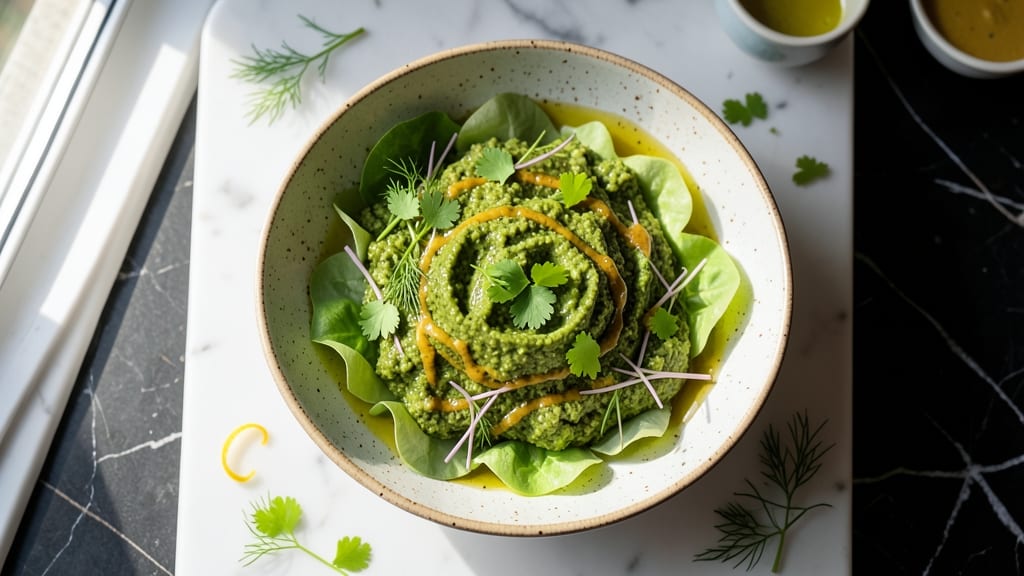
This cauliflower salad dressing recipe transforms simple ingredients into a herb-infused vinaigrette that elevates any dish without mayo. The secret lies in balancing tangy vinegar, fresh herbs, and a touch of sweetness—creating a dressing that's light yet deeply flavorful.
Perfect for cauliflower salads, roasted vegetables, or even as a marinade, this recipe delivers restaurant-quality results with minimal effort.
The foundation is a classic vinaigrette base of olive oil and apple cider vinegar, but what sets this apart is the herb blend—parsley, dill, and chives add brightness while Dijon mustard provides a subtle emulsifier.
A hint of honey or maple syrup rounds out the flavors, ensuring the dressing is well-balanced and not overly acidic. Unlike traditional creamy dressings, this version stays fresh and vibrant, making it ideal for meal prep.
What makes this dressing truly special is its versatility. Use it to coat roasted cauliflower florets for extra flavor, drizzle over grain bowls, or toss with fresh greens. The herbs infuse the oil beautifully, so the longer it sits, the more robust the taste becomes.
Store it in the fridge for up to a week, and you’ll always have a zero-mayo option that’s both healthy and delicious.
For added depth, consider incorporating a splash of lemon juice or a pinch of garlic powder. The possibilities are endless, but the core recipe remains simple and foolproof. Let’s get started on creating a dressing that will become your new go-to for any dish.
Ingredients for cauliflower salad dressing
Nine simple ingredients create a vibrant, herb-infused vinaigrette perfect for cauliflower salads and beyond.
| Ingredient | Amount | Notes |
|---|---|---|
| Extra-Virgin Olive Oil 🫒 | ¾ cup | High-quality, fruity variety |
| Apple Cider Vinegar 🍏 | 0.3 cup | Raw, unfiltered preferred |
| Fresh Parsley Leaves 🌿 | 0.3 cup | Tightly packed, stems removed |
| Fresh Dill 🌿 | 0.2 cup | Chopped, stems removed |
| Fresh Chives 🌿 | 0.2 cup | Finely chopped |
| Dijon Mustard 🌶️ | 1 tbsp | High-quality for emulsification |
| Pure Maple Syrup 🍁 | 1 tbsp | Grade B for depth of flavor |
| Garlic Cloves 🧄 | 2 cloves | Minced for subtle depth |
| Sea Salt 🧂 | ½ tsp | Fine grain preferred |
| Fresh Lemon Juice 🍋 | 1 tbsp | Freshly squeezed |
The herbs are the heart of this dressing, so freshness is key. Grab parsley, dill, and chives from the grocery store's produce section—look for bright green leaves without wilting. For the best quality, Whole Foods or local farmers markets have the freshest options. If you're using dried herbs, reduce to one-third the amount, but fresh is ideal. The olive oil should be extra-virgin—it makes a noticeable difference in flavor. Trader Joe's and Costco often have great prices on high-quality olive oil. For the vinegar, raw apple cider vinegar adds complexity compared to regular white vinegar.
No Dijon mustard? Whole-grain mustard works in a pinch, though it may be slightly grainier. Short on maple syrup? Honey or agave nectar are good substitutes, but maple has a deeper flavor. The garlic can be omitted if you dislike it, but it adds a subtle depth. For a tangier dressing, add an extra tablespoon of lemon juice. If you prefer a smoother texture, blend the herbs briefly before adding them to the dressing. The dressing thickens when refrigerated, so if it's too thick, thin it with a splash of water or extra vinegar.
This dressing keeps beautifully in the fridge for up to 1 week, though the flavors actually improve as the herbs infuse. Store it in a glass jar with a tight-sealing lid to preserve freshness. For longer storage, freeze in ice cube trays and transfer to a bag—perfect for single-serving portions. Before using, give it a good shake to redistribute the herbs. The dressing works best at room temperature, so let it sit for 5-10 minutes before drizzling. It pairs perfectly with roasted cauliflower, grain bowls, or fresh greens.
Why You'll Love This Recipe
- No-Chop Needed: I swear by this dressing—just toss whole herbs into the blender with olive oil and vinegar. The parsley, dill, and chives stay fresh-tasting, and the texture? Silky smooth without any prep.
- Bright Tangy Magic: That apple cider vinegar cuts through the richness of olive oil like a knife, while the herbs add a zesty freshness. It’s the kind of dressing that makes even simple greens taste like a restaurant salad.
- Meal Prep MVP: I make double batches and keep it in the fridge for up to a week. Perfect for tossing with roasted cauliflower, grain bowls, or even drizzling over grilled chicken—no last-minute fuss.
- Pantry Staple Power: Honestly, this uses ingredients you already have. No weird substitutions needed—just olive oil, vinegar, and whatever fresh herbs you grab. Budget-friendly and always reliable.
Step-by-step instructions for herb-infused vinaigrette
This dressing comes together in minutes with precise technique for maximum flavor balance.
Finely Chop All Fresh Herbs
Place the 0.3 cup fresh parsley leaves, 0.2 cup fresh dill, and 0.2 cup fresh chives on a cutting board. I use a sharp chef's knife for this because it gives me better control than scissors. Chop the parsley into small, even pieces—about ¼-inch in size. Then move to the dill and chives, cutting them slightly finer since they're more delicate. You want a uniform texture so the herbs distribute evenly throughout the dressing.
Transfer all the chopped herbs to a small mixing bowl. The goal is to have about ½ cup of finely chopped herb mixture total. If you're using particularly large stems, remove them first—they're tough and won't blend well. The herbs should look like confetti at this stage, ready to infuse the dressing with bright, fresh flavor.
Combine Wet Ingredients
In a separate bowl, whisk together the 0.3 cup apple cider vinegar, 1 tbsp Dijon mustard, 1 tbsp pure maple syrup, and 1 tbsp fresh lemon juice. I use a small whisk for this step because it helps incorporate air, which will make the dressing more stable. The mixture should look smooth and slightly thickened from the mustard.
Add the 2 minced garlic cloves and 0.5 tsp sea salt to the bowl. Stir well to dissolve the salt completely. The garlic should be completely minced—no visible pieces—so it distributes evenly. This is where the foundational flavors come together. The vinegar will mellow slightly as it mixes with the sweet maple syrup and tangy lemon juice, creating a balanced acidity.
Gradually Emulsify with Olive Oil
With the whisk still in the bowl, begin adding the 0.75 cup extra-virgin olive oil very slowly—about 1 tablespoon at a time. This gradual addition is critical because it allows the oil to properly emulsify with the vinegar mixture rather than separating. Whisk vigorously after each addition until the mixture begins to thicken slightly.
After adding about half the oil, incorporate the chopped herbs. Fold them in gently with a spatula to avoid breaking them down further. Continue whisking until the dressing reaches a smooth, creamy consistency. It should coat the back of a spoon without being too thick. If it starts to separate, simply whisk more vigorously for 10-15 seconds—this dressing will come together again.
Rest and Adjust Seasoning
Let the dressing rest at room temperature for 10 minutes. This allows the flavors to meld completely. Taste and adjust seasoning if needed—add a pinch more salt if it's too mild, or a splash more vinegar if it needs more acidity. The dressing should be bright, herby, and slightly sweet with a tangy finish.
Transfer to a clean jar or bottle with a tight-sealing lid. Store in the refrigerator for up to 1 week. Before using, give it a good shake—sometimes dressings separate when stored. This herb-infused vinaigrette will elevate any cauliflower salad, adding depth and complexity without overpowering the delicate flavor of the vegetable.
Pro Tips For Making Cauliflower Salad Dressing
- STACK THE HERBS: DESCRIPTION: Chop parsley, dill, and chives separately first, then mix—this keeps their textures distinct in the dressing. (Yes, it’s extra work, but the first bite proves it’s worth it.)
- SALT THE VINEGAR: DESCRIPTION: Toss a pinch of flaky salt into the apple cider vinegar before mixing—it rounds out the sharpness and balances the olive oil’s richness. (I learned this the hard way after a dressing tasted one-note.)
- WHISK IT COLD: DESCRIPTION: Combine all ingredients in a jar and shake vigorously, then refrigerate for 30 minutes before using. The cold emulsifies the oil and vinegar better than whisking at room temp. (Sounds weird, but it works.)
- USE A MORTAR FOR CHIVES: DESCRIPTION: Crush chives with a mortar and pestle instead of chopping—it releases more flavor and keeps the dressing from separating. (Your future self will thank you for skipping the food processor.)
Flavor customization for this cauliflower salad dressing
Citrus Brightness Boost
Swap the lemon juice for orange juice or grapefruit juice to add a tropical twist. Use 1 tbsp of freshly squeezed juice and reduce the maple syrup to ½ tbsp to balance the natural sweetness.
I love adding ½ tsp of grated orange zest for an extra aromatic punch—it pairs beautifully with roasted cauliflower. 🍊
Smoky Chipotle Kick
For a smoky depth, stir in ½ tsp of chipotle powder or 1 tsp of adobo sauce from a can of chipotles. This works especially well with Mexican-inspired cauliflower salads.
If you want heat, add ¼ tsp of cayenne pepper too. The smokiness complements the herbs beautifully while adding complexity. 🌶️
Nutty Warmth Addition
Infuse warmth by adding 1 tsp of toasted sesame oil or ½ tsp of ground cinnamon to the dressing. For sesame oil, replace 1 tbsp of olive oil with it at the end.
For cinnamon, sprinkle it in after the dressing has rested. This variation works wonderfully with Asian-inspired cauliflower dishes or grain bowls. 🌿
Spicy Honey Swap
Replace the pure maple syrup with 1 tbsp of spicy honey (like Madhava brand), which combines honey with chili flakes. This adds a subtle heat that pairs perfectly with the tangy vinegar. I often use this version when serving the dressing with spicy roasted cauliflower or grilled vegetables. 🍯
Garlic-Free Option
Skip the garlic entirely and add ½ tsp of onion powder instead for a milder depth. This works well if you're sensitive to garlic but still want that savory base. For extra brightness, add ½ tsp of celery seeds—they add a subtle earthiness that complements the herbs. 🧅
Herb Variations
Swap out the parsley, dill, and chives for other fresh herbs based on what you have. Try tarragon and basil for a French-inspired flavor or cilantro and mint for a Middle Eastern twist.
Just ensure the herbs are finely chopped to maintain the dressing's texture. The key is balancing the flavors—don't overpower the vinegar and oil base. 🌿
Nutrition facts
Frequently asked questions
Can I make this dressing without fresh herbs?
Yes, but the flavor will be less vibrant. Use 1 tsp dried parsley, ½ tsp dried dill, and ½ tsp dried chives instead. For best results, toast the dried herbs in a dry pan for 30 seconds to enhance their aroma before adding. The texture will be slightly coarser, but it still works well for roasted cauliflower dishes.
How long does this dressing last in the fridge?
This herb-infused vinaigrette stays fresh for up to 1 week when stored in an airtight glass jar. The flavors actually improve as the herbs infuse over time! Before using, give it a good shake—it may separate slightly, but whisking will restore its creamy texture. For longer storage, freeze in ice cube trays for single-serving portions.
Why did my dressing separate? How do I fix it?
This is normal! Vinaigrettes sometimes separate when stored. Simply whisk vigorously for 10-15 seconds before using—it should re-emulsify completely. To prevent future separation, store it in a smaller container (less air exposure) or add ½ tsp of xanthan gum (food-grade thickener) when making it. The Dijon mustard already helps stabilize it, but these tricks work extra magic.
Can I use this dressing on non-cauliflower dishes?
This versatile vinaigrette works perfectly on roasted vegetables, grain bowls, grilled chicken, or even as a marinade. The herb blend adds brightness to hearty dishes while keeping them light. For extra flavor, let it sit on proteins for 15-20 minutes before cooking. It's one of those dressings that does double duty beautifully!
What if I don't have Dijon mustard?
Use 1 tbsp of whole-grain mustard as a substitute—it's slightly grainier but works well. For a smoother texture, blend the herbs briefly before adding them. If you're completely without mustard, add ½ tsp of honey to help emulsify the oil and vinegar, though the dressing may separate more easily. The mustard adds depth, but this version will still taste delicious.