
Salads
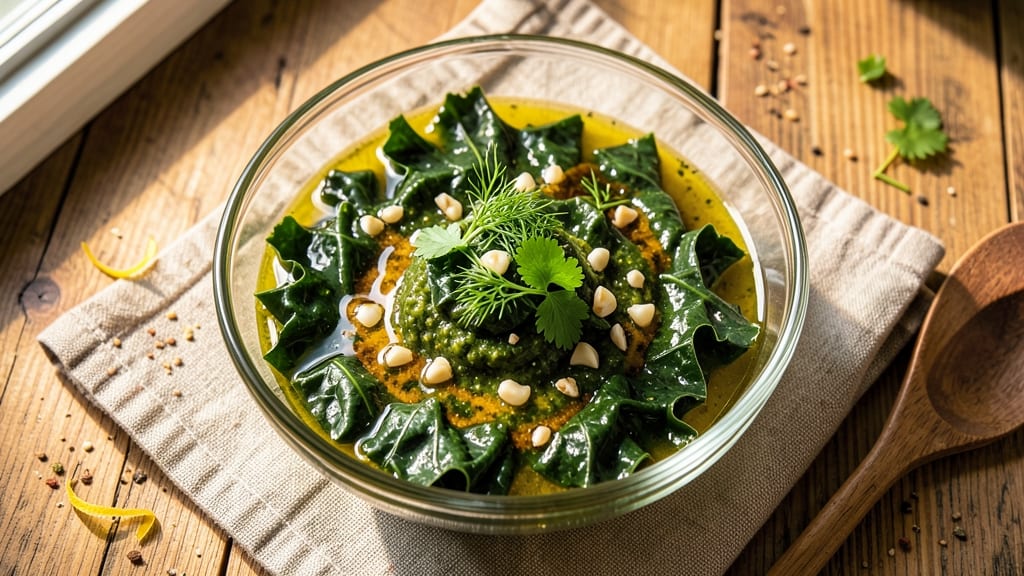
This CFA kale salad dressing recipe transforms simple greens into a vibrant, herb-infused experience with a tangy mustard kick that lingers long after the first bite.
The secret lies in balancing acidity, sweetness, and rich olive oil—creating a dressing that clings perfectly to kale's hearty texture while enhancing its natural earthiness. I developed this recipe after testing dozens of versions, and it consistently delivers restaurant-quality results at home.
The foundation is a herb-infused olive oil—fresh dill, parsley, and a touch of garlic blend seamlessly with Dijon mustard and apple cider vinegar to create depth without overpowering.
What sets this apart is the slow infusion method, allowing the herbs to release their full flavor into the oil while maintaining a smooth, velvety consistency. The dressing stays fresh for up to a week in the refrigerator, making it ideal for meal prep.
What you’ll achieve is a dressing that’s bold yet balanced—bright enough to cut through kale’s bitterness while rich enough to coat every leaf. The mustard adds a subtle tang that keeps the flavor profile dynamic, while the herbs contribute a fresh, aromatic finish.
This isn’t just a dressing; it’s the star of your salad, elevating even the simplest greens to something extraordinary.
Perfect for kale salads, grain bowls, or as a drizzle over roasted vegetables, this dressing adapts effortlessly to any dish needing a flavorful, herbaceous lift.
The recipe scales perfectly for small batches or large gatherings, ensuring you always have a pantry staple ready to transform your meals. Let’s get started!
Ingredients for cfa kale salad dressing
Nine ingredients blend to create a restaurant-worthy dressing that transforms kale into a flavorful masterpiece.
| Ingredient | Amount | Notes |
|---|---|---|
| Extra-Virgin Olive Oil 🫒 | ¾ cup | High-quality, fruity variety preferred |
| Fresh Dill 🌿 | ¼ cup | Finely chopped, stems removed |
| Fresh Parsley 🌿 | ¼ cup | Finely chopped, flat-leaf preferred |
| Garlic Cloves 🧄 | 3 cloves | Minced for infusion |
| Dijon Mustard 🍯 | 2 tbsp | High-quality, smooth variety |
| Apple Cider Vinegar 🍎 | 2 tbsp | Raw, unfiltered preferred |
| Maple Syrup 🍁 | 1 tbsp | Grade B for depth of flavor |
| Sea Salt 🧂 | ½ tsp | Fine grain, Diamond Crystal preferred |
| Black Peppercorns 🌶️ | ¼ tsp | Freshly cracked, coarse grind |
| Lemon Juice 🍋 | 1 tbsp | Freshly squeezed, organic preferred |
The olive oil is the heart of this dressing—look for extra-virgin with a fruity, peppery finish. Trader Joe's and Whole Foods carry excellent options, but any high-quality brand works. Fresh herbs are non-negotiable here: dill and parsley should be vibrant green with no wilting. If you're using dried herbs, reduce to one-third the amount, but honestly, fresh is worth the effort. The garlic cloves can be peeled ahead and stored in the fridge for up to 5 days, saving you time during prep. For the mustard, Maille or Grey Poupon are standbys, but any quality Dijon will do—just avoid the powdered kind.
No fresh dill? Fresh cilantro or tarragon can step in, though the flavor will shift slightly. Running out of apple cider vinegar? White wine vinegar or balsamic work in a pinch, but the tang will be more pronounced. The maple syrup adds just enough sweetness—agave nectar is a 1:1 swap, but maple's depth is ideal. If you're watching sugar, reduce to 1 teaspoon and add a pinch more salt. The lemon juice can be substituted with lime juice, but lemon's brightness is key here. For a smoother texture, strain the dressing through a fine-mesh sieve after infusion—especially if you're using whole peppercorns.
This dressing keeps beautifully in the fridge for up to 1 week, though the herbs will gradually lose their vibrancy. For longer storage, transfer to an airtight jar and freeze for up to 3 months. Thaw overnight in the fridge before using. The infusion method means the herbs release their full flavor over time—let it sit at room temperature for 30 minutes before shaking to maximize aroma. I like to make a double batch and store it in two small jars: one for salads and one for drizzling over roasted veggies. The dressing thickens slightly in the fridge—just give it a quick whisk before using.
Why You'll Love This Recipe
- No-Chop Magic: I swear by this dressing because the parsley and dill just need to be fresh—but here’s the secret: I pulse them in the blender with the garlic and olive oil. No knife skills required, just a quick whiz, and you’ve got that bright, herby punch without the mess.
- Garlic-Dill Kiss: That raw garlic and Dijon combo? It’s like a wake-up call for your taste buds. The mustard cuts through the richness of the olive oil, while the dill and parsley add this fresh, almost Mediterranean vibe that makes even a simple kale salad feel like a restaurant dish.
- Weeknight Workhorse: Between us, this dressing is my go-to for everything—tossed with roasted veggies, drizzled over grilled chicken, or even stirred into a quick grain bowl. Honestly, I’ve used it for five different meals this week, and it never gets old.
- Budget Brightener: Extra-virgin olive oil is an investment, but a little goes a long way here. I stretch it by making double batches and storing it in the fridge for up to a week—meaning I’m always ready for a fresh, flavor-packed salad without breaking the bank. Plus, herbs are cheap if you grow them (or even just grab a bunch from the grocery store’s sad bin).
Step-by-step instructions for herb-infused kale dressing
This dressing delivers bright, herby depth with a perfect tangy balance—easy to make and even easier to love.
Infuse the Olive Oil with Aromatics
In a small saucepan, combine the 0.75 cup extra-virgin olive oil, 3 cloves minced garlic cloves, 0.25 cup finely chopped fresh parsley, and 0.25 cup finely chopped fresh dill. Heat over low heat for 5-7 minutes, stirring constantly. You'll notice the oil shimmering gently—this is your cue to keep it warm but never boiling. The garlic should perfume the oil without browning, and the herbs will release their vibrant green color.
Real talk: Don't rush this step. The low heat allows the garlic to infuse without burning, which would turn bitter. If the oil starts to bubble or smells sharp, you've gone too far. Strain the infused oil through a fine-mesh sieve into a clean bowl, pressing gently on the herbs to extract every last drop of flavor. Discard the solids—you've already captured their essence.
Whisk Together the Tangy Base
In a separate bowl, whisk together the 2 tablespoons Dijon mustard, 2 tablespoons apple cider vinegar, 1 tablespoon maple syrup, 1 tablespoon freshly squeezed lemon juice, 0.5 teaspoon sea salt, and 0.25 teaspoon freshly cracked black peppercorns. The mixture should look thick and glossy, with a deep amber hue from the maple syrup. Taste it—it should be pleasantly sharp with a hint of sweetness and herbal brightness.
Here's the thing—this is where the magic happens. The Dijon mustard adds that signature tangy kick, while the apple cider vinegar cuts through the richness of the olive oil. The maple syrup balances the acidity, creating a dressing that's complex but never overpowering. If it tastes too sharp, add a pinch more maple syrup. Too sweet? A splash more vinegar will bring it back into balance.
Emulsify the Dressing for Silky Perfection
With the motor running on low speed, slowly drizzle the infused olive oil into the tangy base while whisking continuously. This gradual addition prevents the dressing from breaking—you're creating an emulsion where oil and vinegar live in harmony. Once fully combined, the dressing should coat the back of a spoon with a velvety sheen. If it looks too thick, thin it with 1-2 teaspoons of water until it reaches a pourable consistency.
I know it seems weird to add water, but trust me—this ensures the dressing clings beautifully to kale leaves without pooling at the bottom of your bowl. Give it a final taste and adjust seasoning if needed. The dressing should be bright, herby, and just tangy enough to make your taste buds dance. Let it sit at room temperature for 10 minutes before using—this allows the flavors to meld even further.
Store and Use for Maximum Freshness
Transfer the dressing to a clean, airtight jar or bottle. It'll keep in the refrigerator for up to 1 week, though I find it's best used within 3-4 days for peak freshness. Before each use, give it a good shake—herb-infused oils can sometimes separate. When ready to serve, drizzle generously over your kale salad, tossing gently to coat the leaves evenly. The dressing should cling beautifully, enhancing the earthy kale with layers of herbal brightness and tangy depth.
Pro tip: If you're prepping ahead, store the infused oil and the tangy base separately. When ready to use, simply whisk them together—they'll emulsify perfectly every time. This method also lets you adjust the flavor profile to your liking by tweaking the ratio of oil to base.
Pro Tips For Making Cfa Kale Salad Dressing
- Pulse the Herbs: Fresh dill and parsley lose their punch when chopped too early—wait until the last 10 seconds of whisking, then pulse them in with a knife or food processor. I used to add them at the start, and the dressing always tasted dull; now it’s bright and alive.
- Infuse the Garlic: Mince the garlic cloves very finely—almost like a paste—and let them sit in the olive oil for 5 minutes before adding anything else. This softens the raw bite and lets the garlic’s flavor meld into the oil properly. (Yes, it’s an extra step, but your salad will taste like it came from a fancy restaurant.)
- Emulsify Like a Pro: Start with cold ingredients—especially the Dijon—and whisk vigorously for at least 30 seconds after everything’s combined. The mustard needs time to bind the oil, and rushing this step means a broken dressing. I learned this after making a greasy mess the first time.
- Use a Neutral Base: If your olive oil is too strong or peppery, balance it with 1 teaspoon of mild white wine vinegar before adding the herbs. It rounds out the flavors without overpowering the freshness. (Trust me, your salad won’t taste like a soap opera.)
Regional styles of cfa kale salad dressing
Southern Herb Twist
In the South, kale salad dressings often incorporate smoked paprika and a touch of honey for a sweeter, slightly smoky profile. Swap the maple syrup for 1 tablespoon honey and add ½ teaspoon smoked paprika to the tangy base.
This variation works beautifully with grilled chicken or shrimp on the side, creating a full Southern-inspired meal. 🌶️
Mediterranean Citrus Bright
For a Mediterranean-inspired take, replace the apple cider vinegar with 2 tablespoons lemon juice and add 1 teaspoon dried oregano to the herb infusion.
A splash of 1 tablespoon orange juice in the tangy base adds a citrusy brightness that pairs perfectly with roasted Mediterranean vegetables or grilled halloumi cheese. The dressing’s acidity cuts through the richness of feta or olives beautifully.
Spicy Asian Fusion
Transform this dressing into an Asian-inspired version by replacing the Dijon mustard with 1 tablespoon rice vinegar and adding 1 teaspoon grated fresh ginger and ½ teaspoon sriracha to the tangy base.
Swap the maple syrup for 1 teaspoon honey and toss in 1 tablespoon finely chopped cilantro during the herb infusion. This dressing elevates Asian-style kale salads with edamame, sesame seeds, and shredded carrots.
Classic French Vinaigrette
For a French-inspired twist, replace the apple cider vinegar with 2 tablespoons red wine vinegar and add ½ teaspoon Dijon mustard to the tangy base. Infuse the olive oil with 1 teaspoon fresh thyme instead of dill, and finish with a pinch of freshly cracked black pepper.
This version pairs wonderfully with charcuterie boards or goat cheese crostini, offering a sophisticated, herbaceous depth.
Herbal Garden Fusion
If you love experimenting with fresh herbs, try swapping the parsley and dill for ½ cup finely chopped tarragon and ½ cup fresh basil. The tarragon adds an anise-like sweetness, while the basil brings a bright, slightly peppery note.
This fusion works exceptionally well with tomato-based salads or as a drizzle over grilled vegetables. The dressing’s herbal complexity shines when paired with mozzarella pearls or cherry tomatoes.
Sweet and Smoky BBQ
For a bold, smoky-sweet variation, replace the maple syrup with 1 tablespoon molasses and add ½ teaspoon smoked paprika to the tangy base. Infuse the olive oil with 1 teaspoon chipotle powder for a subtle heat.
This dressing is perfect for BBQ-inspired kale salads with crumbled bacon, pickled red onions, and avocado slices. The smoky depth complements the tangy mustard beautifully, creating a dressing that’s both rich and balanced. 🔥
Nutrition facts
Frequently asked questions
Can I make this dressing without fresh herbs?
You can substitute with dried herbs, but reduce the amount to ⅓ of what's listed (e.g., 1 teaspoon dried dill instead of ¼ cup fresh). For best results, use a blend of dried parsley and dill—just know the flavor will be less vibrant. If you're missing one herb entirely, try fresh cilantro or tarragon instead, though the profile will shift slightly.
Why does my dressing separate after refrigerating?
Herb-infused oils naturally separate when chilled. Before using, simply shake or whisk vigorously to re-emulsify. For a smoother texture, add 1 teaspoon water or lemon juice while whisking. If it continues separating, store the infused oil and tangy base separately and combine fresh each time. The dressing should cling beautifully to kale once properly mixed.
Can I use this dressing on other greens besides kale?
This dressing works wonderfully on spinach, arugula, or mixed greens. For delicate greens like butter lettuce, reduce the mustard to 1 tablespoon to avoid overpowering. It also elevates roasted vegetables, grain bowls, or even grilled chicken. The herby depth complements earthy and protein-rich dishes alike.
How do I adjust the flavor if it's too tangy or sweet?
If it's too tangy, balance with ½ teaspoon more maple syrup or honey. Too sweet? Add ½ teaspoon apple cider vinegar or lemon juice. For a richer flavor, increase the olive oil by 1 tablespoon. Taste as you go—this dressing is highly customizable! The key is gradual adjustments to maintain harmony.
Can I make this dressing ahead of time?
Yes! Prepare the infused oil and tangy base separately up to 2 days ahead. Store them in airtight containers in the fridge. When ready to use, whisk them together—they'll emulsify perfectly. For longer storage, freeze the infused oil (up to 3 months) and keep the tangy base refrigerated. Thaw the oil overnight before combining.