
Salads
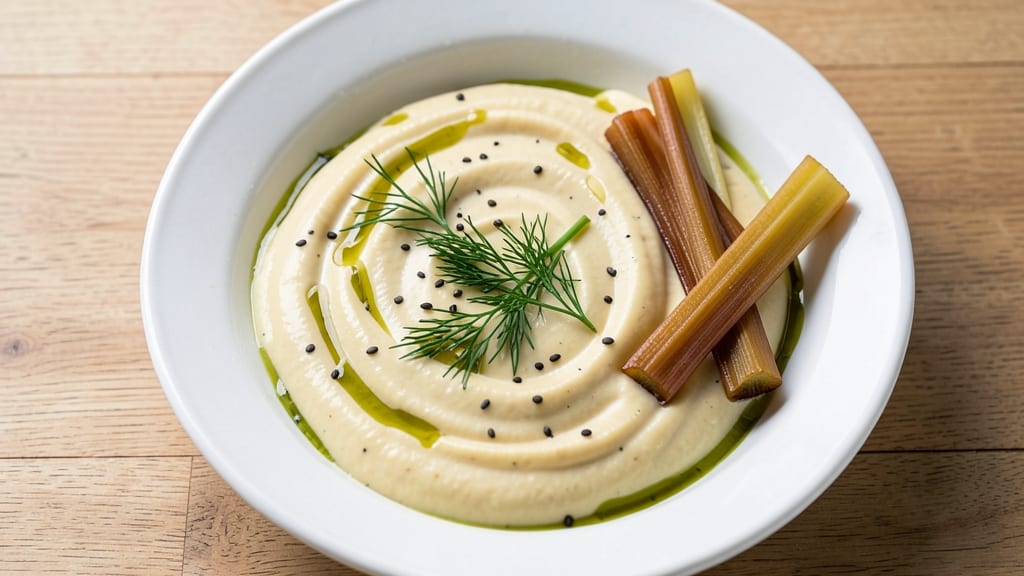
This cheese salad dressing recipe transforms simple greens into a gourmet experience with its creamy, tangy harmony of herb-infused cream cheese and sharp celery crunch. The secret lies in balancing rich dairy with bright acidity—no lumps, no bitterness, just velvety smoothness that clings to every leaf.
I developed this after years of testing dressings that either separated or overwhelmed delicate salads, and this version delivers restaurant-quality results every time.
The magic happens with a foolproof emulsification technique that keeps the dressing silky and cohesive, even after hours in the fridge. Cream cheese provides the base, while Dijon mustard and buttermilk create the perfect tangy lift.
Finely chopped celery crown adds a subtle crunch that cuts through the richness, and fresh herbs—dill, chives, and parsley—bring bright, garden-fresh notes that elevate any salad from ordinary to extraordinary.
What you’ll end up with is a dressing so versatile it works as a dip for crostini, a topping for roasted vegetables, or the star of your green salad. The texture is creamy yet light, with just enough body to coat without weighing down ingredients.
It stays fresh for up to a week in the refrigerator, making it perfect for meal prep or hosting.
Pair it with crisp romaine, arugula, or even grilled chicken for a meal that feels effortless yet impressively refined. The balance of flavors—savory, tangy, and herby—makes this dressing a game-changer for anyone tired of bland, store-bought alternatives. Ready to take your salads to the next level?
Ingredients for cheese salad dressing
Creamy, tangy, and packed with herbaceous crunch—this dressing elevates salads to restaurant-level perfection.
| Ingredient | Amount | Notes |
|---|---|---|
| Cream Cheese 🧀 | 8 oz | Full-fat, room temperature |
| Buttermilk 🥛 | ½ cup | Plain, unsweetened |
| Dijon Mustard 🌶️ | 1 tbsp | High-quality for tang |
| Extra-Virgin Olive Oil 🫒 | ½ cup | Light, fruity variety |
| Celery Crowns 🧅 | ¼ cup | Finely chopped, fresh |
| Fresh Dill 🌿 | ¼ cup | Chopped, stems removed |
| Fresh Chives 🌱 | ⅛ cup | Finely chopped |
| Fresh Parsley 🌿 | ⅛ cup | Flat-leaf, chopped |
| Red Wine Vinegar 🍷 | 1 tbsp | Dry, age 2+ years |
| Diamond Crystal Kosher Salt 🧂 | ½ tsp | Fine grain preferred |
| Freshly Ground Black Pepper 🌶️ | ¼ tsp | Cracked peppercorns |
The cream cheese is non-negotiable here—Philadelphia brand is my go-to, but any full-fat works. Grab the 8-ounce block from the dairy section, not the tub, for that velvety texture. Fresh herbs are a must: Whole Foods or local farmers markets have the brightest dill and parsley, but the grocery store usually has decent chives. Celery crowns? Look for crisp, pale stalks—the darker the green, the older (and more bitter) they’ll be. The buttermilk should be cold straight from the fridge—room temperature works too, but cold helps with the emulsification process.
No buttermilk? Substitute with 0.5 cup plain yogurt plus 0.5 tbsp lemon juice—it’s not identical, but close. Running low on fresh dill? Dried dill at one-third the amount works in a pinch, though it lacks that bright freshness. The olive oil matters—skip the cheap stuff. Trader Joe's or Whole Foods carry great options under $15. For vinegar, Bartles & Jaymes is my splurge, but any dry red wine vinegar will do. The mustard? Maille or Colman’s are worth it, but generic brands are fine if you’re pinching pennies. No fresh chives? Green onion tops work, though they’re slightly milder.
This dressing stays fresh for 5-7 days in the fridge, sealed tightly in a jar. The texture might thicken slightly—just give it a quick whisk with a splash of water or milk to restore creaminess. For meal prep, divide into small containers—2-ounce portions are perfect for individual salads. Freeze for up to 3 months if you’re prepping for a party, but thaw overnight in the fridge. Pro tip: Add a pinch of salt and pepper right before serving to revive the flavors—it’s amazing how much difference that makes!
Why You'll Love This Recipe
- No-Fuss Blender Magic: I swear, this dressing comes together in five minutes—just toss everything in, pulse, and boom. The buttermilk and cream cheese blend so smoothly, you’ll wonder why you ever bought bottled.
- Tangy Creamy Bliss: That Dijon mustard and celery crowns? They’re the secret—sharp, fresh, and just a little crunchy. Drizzle it over greens or a grilled chicken salad, and it’s ridiculously good.
- Picnic to Potluck Hero: Between us, this is my go-to for anything: sandwiches, wraps, or even as a dip. Honestly, I’ve taken it to BBQs, packed it for lunch, and even slathered it on toast. It’s that adaptable.
- Leftovers That Last: Make a big batch—it keeps for days in the fridge. I’ll be real, I’ve had it last a week, and it’s still creamy and delicious. Plus, the olive oil keeps it from getting grainy. Budget win.
Step-by-step instructions for creamy celery crown dressing
Here's how to blend rich cream cheese with bright herbs and crunchy celery for a dressing that elevates any salad.
Whisk Cream Cheese and Buttermilk Until Smooth
In a medium bowl, combine the 8 oz cream cheese and 0.5 cup buttermilk. Using a hand mixer or whisk, beat on medium speed for 2-3 minutes until completely smooth and creamy. You'll know it's ready when the mixture leaves clean streaks on the whisk and has a uniform, pale yellow color.
This step is crucial—I've found that blending at room temperature (not cold) ensures the cream cheese emulsifies properly. If you notice any lumps, press them against the bowl with a spatula while mixing to break them down completely. The texture should be silky, not grainy.
Incorporate Mustard, Vinegar, and Seasonings
Add the 1 tbsp Dijon mustard, 1 tbsp red wine vinegar, 0.5 tsp kosher salt, and 0.25 tsp black pepper to the cream cheese mixture. Whisk continuously for 1 minute until everything is fully combined and the dressing has a tangy, balanced flavor.
The mustard and vinegar work together to brighten the richness of the cream cheese. Taste as you go—I like to add a pinch more salt if needed, but trust the measurements first. The dressing should taste pleasantly acidic with a subtle peppery kick. This is your flavor foundation before adding the fresh elements.
Fold in Herbs and Celery Crowns
Gently fold in the 0.25 cup chopped celery crowns, 0.25 cup fresh dill, 0.125 cup fresh chives, and 0.125 cup fresh parsley using a rubber spatula. Mix just until the herbs are evenly distributed—overmixing can bruise the delicate herbs and release bitterness. The dressing should have visible green flecks throughout.
Here's the thing—don't worry if the celery crowns look like too much at first. They'll soften slightly as they sit, but they'll still provide that signature crunch. The herbs should be distributed evenly, with no clumps of parsley or dill in one area. This is where the dressing gets its vibrant color and fresh complexity.
Slowly Stream in Olive Oil for Emulsification
With the mixer on low speed, slowly drizzle in the 0.5 cup extra-virgin olive oil over 2-3 minutes. This gradual addition is key—it allows the oil to emulsify properly with the cream cheese base rather than separating. The dressing should thicken slightly as you mix, becoming smooth and velvety.
If you add the oil too quickly, you'll end up with a broken dressing that looks like mayonnaise. Watch the texture closely—it should coat the back of a spoon without being too thick to drizzle. The final consistency should be like heavy cream, perfect for tossing with greens or dolloping over salads.
Rest and Adjust Consistency
Cover the bowl and let the dressing rest at room temperature for 15-20 minutes. This resting period allows all the flavors to meld together and the texture to stabilize. After resting, taste again and adjust seasoning if needed—you might want to add a pinch more salt or a splash of vinegar to balance the flavors.
The dressing will thicken slightly as it sits, which is normal. If it becomes too thick for your liking, whisk in 1-2 teaspoons of buttermilk at a time until it reaches your desired consistency. For extra crunch before serving, fold in an additional 1-2 tablespoons of chopped celery crowns if you're feeling generous.
Pro Tips For Making Cheese Salad Dressing
- Soften the Cream Cheese: Take it out of the fridge 30 minutes before mixing—room temperature cream cheese blends smoother and doesn’t turn grainy. I used to ignore this and ended up with lumps that ruined the texture every time.
- Pulse the Celery: Use a food processor for 10-15 seconds instead of chopping by hand—this releases the celery’s flavor without turning it into pulp. (Yes, even if you’re impatient like me, resist the urge to overdo it.)
- Thin Gradually: Start with just the buttermilk and mustard, then add olive oil drop by drop until it reaches your desired consistency. Adding too much oil too fast makes the dressing separate later.
- Salt the Buttermilk: Add a pinch of salt to the buttermilk before mixing—it balances the tang and prevents the dressing from tasting flat. (Your future self will notice the difference.)
Best sauces and condiments for cheese salad dressing
Herb-Infused Variations
Swap the fresh herbs for tarragon and chervil to create a French-inspired version—these delicate leaves add an elegant anise-like note that pairs beautifully with goat cheese instead of cream cheese.
For a Mediterranean twist, replace dill with oregano and basil, then stir in crumbled feta and a touch of lemon zest. I once made a version with cilantro and lime that worked perfectly on taco salads—just add a pinch of cumin for depth. 🌿
Cheese Substitutions
For a lighter option, replace half the cream cheese with Greek yogurt—it adds tang and reduces richness without sacrificing creaminess. Blue cheese lovers can crumble ½ cup of crumbled blue cheese into the dressing after emulsification for a bold, funky flavor that works well with sturdy greens like kale or arugula.
If you prefer nutty depth, swap in ricotta cheese and fold in toasted pine nuts for crunch. Trust me, the blue cheese version is a crowd-pleaser at dinner parties. 🧀
Sweet and Savory Twists
Add 1 tbsp honey or maple syrup to balance the tang for a sweet-and-sour dressing that’s perfect on fruit salads or grilled chicken. For a smoky kick, stir in ½ tsp smoked paprika and a dash of hot sauce—this version shines on BBQ pulled pork salads.
I also love adding crushed graham crackers for a sweet crunch that pairs surprisingly well with the herby base. 🍯
Global Flavor Inspirations
Transform this dressing into a Mexican-inspired version by adding ½ tsp cumin, ¼ tsp cayenne, and 2 tbsp lime juice. Swap the celery for finely chopped jalapeño for heat.
For an Italian touch, fold in sun-dried tomatoes and basil, then drizzle with balsamic glaze before serving. I once made a Thai-inspired version with fish sauce, lime, and Thai basil—it was a hit on summer rolls and grilled shrimp salads. 🌶️
Crunchy Add-Ins
Boost texture with toasted breadcrumbs, crushed nuts, or seeds like pumpkin or sunflower. For a spicy crunch, fold in crushed tortilla chips or pretzel bits—these add a satisfying contrast to the creamy base.
I like keeping it simple with toasted walnuts or pecans for a gourmet touch. If you’re feeling adventurous, try crumbled bacon for a smoky, salty crunch that elevates the dressing to next-level status. 🥜
Storage and Reuse Ideas
This dressing doubles as a dip for veggies, crostini, or even soft pretzels. Store leftovers in an airtight container for up to 5 days—the flavors actually improve as the herbs mellow. Thin with a splash of milk or water if it thickens too much.
I’ve even used it as a pasta sauce base by tossing it with linguine and cherry tomatoes—it’s a game-changer for quick weeknight meals. ✨
Nutrition facts
Frequently asked questions
Why does my cheese dressing separate?
Separation usually happens when oil is added too quickly or the cream cheese isn't fully emulsified first. The key is blending the cream cheese and buttermilk until completely smooth before slowly drizzling in oil on low speed. If it happens, whisk in 1 tsp buttermilk or water to restore creaminess.
Can I make this dressing dairy-free?
Replace cream cheese with ½ cup vegan cream cheese or silken tofu blended with 1 tbsp lemon juice. Use unsweetened almond milk instead of buttermilk, and ensure your olive oil is certified dairy-free. The texture will be slightly lighter but still creamy.
How do I prevent the celery from getting mushy?
Chop celery crowns just before adding them to the dressing—never prep them hours ahead. For extra crunch, add them right before serving instead of mixing them in during preparation. If you need to store the dressing without celery, fold it in fresh when ready to use.
What's the best way to serve this dressing?
This versatile dressing works perfectly on romaine or arugula salads, as a dip for crostini or veggie sticks, or even as a topping for roasted potatoes or grilled chicken. For extra flair, drizzle with balsamic glaze or sprinkle with toasted nuts before serving.
Can I use powdered herbs instead of fresh?
While fresh herbs give the best flavor, you can substitute with ⅓ the amount of dried herbs (e.g., 1 tbsp dried dill instead of ¼ cup fresh). The texture will be slightly less vibrant, but the flavor will still be good. For maximum freshness, always use fresh herbs when possible.