
Salads
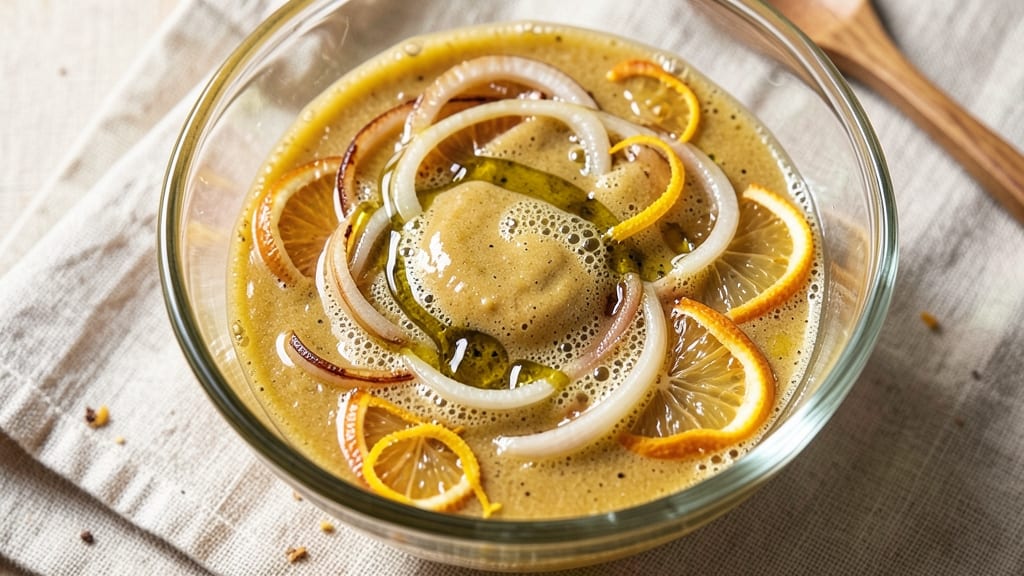
This sweet onion and citrus salad dressing recipe transforms simple ingredients into a vibrant, tangy-sweet dressing that elevates any dish. 💛 The secret lies in caramelizing sweet onions until they're deep golden and tender, then blending them with bright citrus juice for a balance of sweet, tangy, and savory flavors that cling perfectly to greens, proteins, or sandwiches.
The dressing starts with a rich base of olive oil and apple cider vinegar, where the onions caramelize slowly to develop their natural sweetness. Fresh lemon and orange juice add a zesty brightness, while a touch of honey or sugar rounds out the flavors without overpowering.
This isn't just a dressing—it's a flavor enhancer that turns ordinary salads into gourmet meals.
What makes this dressing truly special is its versatility. Drizzle it over mixed greens, toss it with grilled chicken or fish, or use it as a marinade for meats.
The texture is silky-smooth, with just enough body to coat ingredients evenly, and the flavors deepen as it sits, making it even more delicious the next day.
Store it in an airtight container in the fridge for up to a week, shaking well before each use. The sweet onions and citrus create a dressing that's bold enough to stand out but balanced enough to complement any dish. Ready to elevate your meals with this bright, flavorful dressing?
Ingredients for sweet onion and citrus salad dressing
Nine simple ingredients transform into a vibrant dressing bursting with caramelized sweetness and citrus brightness.
| Ingredient | Amount | Notes |
|---|---|---|
| Sweet Onions 🧅 | 1 ½ lb | Yellow or Vidalia, thinly sliced |
| Extra-Virgin Olive Oil 🫒 | ¾ cup | High-quality, fruity variety |
| Apple Cider Vinegar 🍏 | ½ cup | Unfiltered for depth of flavor |
| Fresh Lemon Juice 🍋 | ¼ cup | Strained, freshly squeezed |
| Fresh Orange Juice 🍊 | ¼ cup | Navel or Valencia oranges |
| Honey 🍯 | 2 tbsp | Wildflower or clover preferred |
| Dijon Mustard 🌶️ | 1 tbsp | Mild or strong, to taste |
| Salt 🧂 | 1 tsp | Diamond Crystal preferred |
| Black Pepper 🌶️ | ½ tsp | Freshly ground for best flavor |
| Garlic Cloves 🧄 | 2 cloves | Minced, for depth of flavor |
The sweet onions are the heart of this dressing—Vidalia or yellow onions caramelize beautifully, developing deep sweetness that balances the citrus. Buy them fresh and slice them uniformly for even cooking. Whole Foods or local farmers markets often carry the sweetest varieties, but any grocery store will do. The key is patience: cook them low and slow until golden. Fresh garlic and Dijon mustard add layers of complexity, so don't skip them. For the olive oil, look for extra-virgin with a harvest date—older oils lose their fruity punch.
No Vidalia onions? Red or yellow sweet onions work just as well—just cook them a touch longer. Short on lemon juice? Substitute lime juice at half the amount, though the flavor will shift slightly. Honey can be swapped for maple syrup or agave nectar (use the same quantity). The dressing holds up beautifully without Dijon, but whole-grain mustard adds a nice texture contrast. Store-bought citrus juice works in a pinch, but freshly squeezed is where the magic happens. If you're making this ahead, strain the onions before blending for a silky texture.
This dressing keeps beautifully in an airtight jar in the fridge for up to 1 week, though the flavors actually deepen over time. Shake well before each use—it settles. For longer storage, transfer to a sealed container and freeze for up to 3 months. The caramelized onions can be prepped ahead and refrigerated separately for 3 days, then blended in just before using. A little goes a long way—start with 1-2 tablespoons per salad and adjust to taste.
Why You'll Love This Recipe
- Five-Ingredient Magic: I swear by this—just dice onions, toss in citrus and oil, and shake. No blender, no fuss, no second-guessing. The sweet onions caramelize just enough when you let it sit, turning that dressing into liquid gold with zero effort.
- Bright & Balanced: That first bite of orange and lemon? It’s like sunshine in a jar. The apple cider vinegar cuts through the richness, while the onions add this unexpected depth—sweet, then tangy, then cheeky in the best way. Honestly, it’s the kind of dressing that makes me reach for seconds.
- Works Everywhere: Drizzle it on grilled chicken, toss with roasted veggies, or use it as a marinade. I’ve even poured it over cold pasta salads when I was too tired to cook. It’s the chameleon of dressings—bright enough for summer but bold enough for winter meals.
- Lasts All Week: Make a big batch and store it in the fridge. The flavors actually get better over time, deepening as the onions mellow. Between us, I’ve had this dressing last me through three lunches and still taste fresh—no sad, watery leftovers here.
Step-by-step instructions for sweet onion and citrus salad dressing
Here's how to craft this vibrant dressing with perfect balance and depth of flavor.
👨🍳 Step 1: Sauté the Sweet Onions Until Caramelized
Heat a large skillet over medium heat and add the 1.5 lb sweet onions (thinly sliced as directed in ingredients). Cook undisturbed for 10 minutes until the onions begin to soften and release their natural sugars.
Stir occasionally with a wooden spoon, breaking up any large clusters. You're aiming for deep golden brown caramelization—not crispy, just deeply colored. This process develops the sweet, almost jammy flavor that makes this dressing special. If the onions start to stick, add a splash of water and scrape up those delicious browned bits from the bottom of the pan.
🍳 Step 2: Build the Flavor Base with Vinegar and Citrus
Once the onions are caramelized, remove the skillet from heat and let them cool for 5 minutes. This prevents the dressing from curdling when you add the citrus juices later. Transfer the onions to a food processor or blender.
Add the 0.5 cup apple cider vinegar, 0.25 cup fresh lemon juice, and 0.25 cup fresh orange juice to the food processor. Pulse until the mixture is completely smooth, scraping down the sides as needed. The acidity from the vinegar and citrus will brighten the sweet onions and create that signature tangy balance.
🥘 Step 3: Emulsify with Olive Oil and Sweetener
With the food processor running, slowly drizzle in the 0.75 cup extra-virgin olive oil through the feed tube. This gradual addition creates a stable emulsion that won't separate. Add the 2 tbsp honey and 1 tbsp Dijon mustard and process until completely combined and smooth.
Taste the mixture and adjust seasoning with 1 tsp salt and 0.5 tsp black pepper. The dressing should be balanced—sweet from the onions and honey, tangy from the vinegar and citrus, with a subtle peppery finish. If it needs more brightness, add another tablespoon of lemon juice. For extra depth, pulse in the 2 minced garlic cloves until fully incorporated.
⏰ Step 4: Rest and Adjust for Perfect Texture
Transfer the dressing to a clean jar or airtight container and let it rest at room temperature for at least 30 minutes. This resting period allows all the flavors to meld together and the emulsion to fully stabilize. Give it a good stir before tasting again—sometimes the flavors develop even more after resting.
If the dressing has separated, whisk vigorously to re-emulsify. For a smoother texture, strain through a fine-mesh sieve. The finished dressing should coat the back of a spoon with a silky consistency. Store in the refrigerator for up to 2 weeks, shaking well before each use to redistribute any settled ingredients.
Pro Tips For Making Sweet Onion And Citrus Salad Dressing
- CHAR THE ONIONS: Cook them over medium-high heat until the edges turn deep golden—almost caramelized—before adding liquid. I learned this the hard way: undercooked onions taste raw and bitter, while properly charred ones add a smoky depth that ties the dressing together.
- USE THICK-SECTIONED ONIONS: Slice sweet onions into ¼-inch rings instead of thin half-moons. Thicker pieces hold up better during cooking, so they soften evenly without turning mushy or releasing too much liquid, which keeps your dressing from getting watery.
- BALANCE THE ACID: Start with equal parts apple cider vinegar and lemon juice, then adjust with orange juice to taste. The vinegar cuts through the sweetness, but if it’s too sharp, the orange juice softens the bite—don’t just dump it all in at once.
- WHISK IN STAGES: Add the olive oil slowly while whisking, a little at a time, until the dressing emulsifies. Dumping it all in at once can break the emulsion, leaving you with a separated mess—patience here guarantees a silky texture.
Troubleshooting great sweet onion and citrus salad dressing
Separation Solutions
If your dressing separates after resting, don’t panic—it’s easily fixable. Whisk vigorously with a handheld mixer or immersion blender for 1-2 minutes to re-emulsify. For stubborn separation, add 1-2 teaspoons of warm water and blend again.
The key is gradual emulsification—always drizzle oil slowly when blending to prevent this issue. 💫
Onions Too Sweet?
If your caramelized onions taste overly sweet, balance them by adding 1 extra tablespoon of apple cider vinegar or 10 drops of liquid smoke for depth. For a tangier profile, increase the lemon juice to 3 tablespoons total. Remember, sweet onions should complement—not overpower—the citrus. Taste as you go!
Dressing Too Thick?
Thick dressing happens when onions aren’t fully cooked or oil is added too quickly. Thin with 1-2 tablespoons of warm water or extra citrus juice until silky.
For future batches, ensure onions are deep golden brown (not crispy) before blending. A fine-mesh sieve helps strain out excess fiber if needed. 🥄
Citrus Curdling
Curdling occurs when citrus juice is added to hot onions. Always let onions cool 5 minutes before blending. If curdling happens, whisk in 1 teaspoon of honey or 1 tablespoon of olive oil to stabilize. Strain through a cheesecloth for a silky finish. Fresh citrus is worth the extra step!
Flavor Fading Fast?
Store dressing in an amber glass jar to protect from light, which degrades citrus flavors. Add a pinch of salt before sealing to preserve freshness. For extra shelf life, freeze in ice cube trays—thaw and shake before use.
The onions’ sweetness mellows over time, so use within 1 week for peak brightness. ❄️
Mustard Clumps?
Whole-grain Dijon mustard can clump if not blended well. Pulse the mustard alone first in the food processor before adding other ingredients. For smoother results, strain through a fine-mesh sieve after blending. If clumps persist, whisk vigorously with a chopstick to break them up. 🌶️
Nutrition facts
Frequently asked questions
Can I substitute regular yellow onions for sweet onions?
Regular yellow onions work, but they won't caramelize as sweetly. For best results, use Vidalia or red sweet onions—they develop deeper sweetness. If using yellow onions, cook them 5-10 minutes longer until deeply golden. For extra sweetness, add 1 extra tbsp honey to the dressing.
How long will this dressing keep in the fridge?
The dressing stays fresh for up to 2 weeks when stored in an airtight container. Shake well before each use—the onions may settle. For longer storage, freeze in ice cube trays (thaw and shake before using). The flavors actually improve slightly after 2-3 days of resting!
What's the best way to use this dressing beyond salads?
This versatile dressing works beautifully on grilled chicken, fish tacos, or as a marinade for pork tenderloin. Drizzle over roasted vegetables or use as a dip for crudités. The sweet onions and citrus pair perfectly with spicy dishes—try it on shrimp skewers or seared scallops for a bright contrast.
Why does my dressing separate after making it?
Separation happens when oil and liquid phases aren't properly emulsified. To fix it, whisk vigorously with a handheld mixer for 1-2 minutes. For future batches, add oil very slowly while blending. If it still separates, strain through a fine-mesh sieve before serving. The texture should be silky, not chunky!
Can I make this dressing without a food processor?
Use a high-powered blender or even a mortar and pestle for small batches. For a smoother texture, strain through a cheesecloth after blending. If you don't have either, whisk the ingredients vigorously in a bowl—just expect slightly more texture variation. The key is patience and gradual oil addition!