Salads
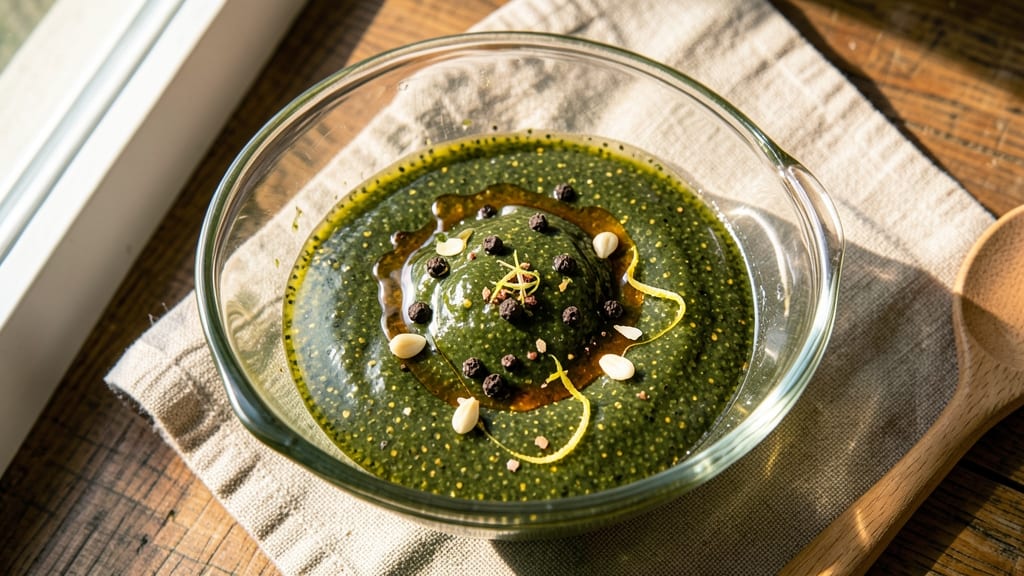
This chia seed salad dressing recipe transforms simple pantry staples into a creamy, tangy dressing that rivals traditional mayo-based versions—without any dairy or eggs. The secret lies in chia seeds' natural thickening power, which creates a velvety texture when soaked in citrusy liquid.
I developed this recipe after realizing store-bought dressings lacked freshness and often contained hidden additives, so I turned to whole-food ingredients for a cleaner, more vibrant alternative.
The process is straightforward: chia seeds absorb liquid to form a gel-like consistency, binding all the flavors together into a stable, emulsified dressing. This version uses lemon juice and apple cider vinegar for brightness, but the base works equally well with herbs like dill or basil for different flavor profiles.
What makes it truly versatile is how well it adapts—use it as a salad dressing, dip for veggies, or even a creamy base for grain bowls.
What you'll achieve is a dressing that's not only nutrient-dense but also keeps beautifully in the fridge for up to a week. The chia seeds add a subtle nutty depth while maintaining that fresh, tangy zing that makes salads irresistible.
Unlike traditional dressings, this one thickens naturally over time, becoming even more luxurious with each passing day.
Perfect for meal prep, this dressing requires just 5 minutes of active time and no special equipment. The ingredients are simple—chia seeds, citrus, vinegar, and your choice of seasonings—but the result is a restaurant-quality condiment that elevates every dish it touches. Let's get started on creating your own batch.
Ingredients for chia seed salad dressing
Simple pantry staples create this velvety, tangy dressing—no mayo needed.
| Ingredient | Amount | Notes |
|---|---|---|
| Chia Seeds 🌾 | ¼ cup | Organic preferred for purity |
| Fresh Lemon Juice 🍋 | ½ cup | Freshly squeezed, no pulp |
| Apple Cider Vinegar 🍶 | ¼ cup | Raw, unfiltered preferred |
| Extra-Virgin Olive Oil 🫒 | ½ cup | High quality, fruity flavor |
| Pure Maple Syrup 🍯 | 2 tbsp | Grade B for depth of flavor |
| Garlic Cloves 🧄 | 2 cloves | Fresh, minced or grated |
| Sea Salt 🧂 | 1 tsp | Diamond Crystal preferred |
| Black Pepper 🌶️ | ¼ tsp | Freshly ground preferred |
| Fresh Dill Leaves 🌿 | ¼ cup | Chopped, optional for flavor |
| Filtered Water 💧 | ¼ cup | For adjusting consistency |
Chia seeds are the star here. Bob's Red Mill or Annie's Organic are my go-tos for quality—avoid pre-ground seeds, as they lose their thickening power. The seeds need to be freshly ground if possible, but whole seeds work too. For the lemon juice, organic lemons have more vibrant flavor, and squeezing them yourself makes a world of difference compared to bottled juice. Apple cider vinegar should smell tangy and slightly sweet—Bragg is a reliable brand, but any raw, unfiltered vinegar will do. The olive oil matters too; California avocado oil or Spanish picual adds depth without overpowering the citrus notes. I always grab extra lemon juice because it's the backbone of the dressing's tang.
No fresh dill? Fresh parsley or basil work in a pinch, though dill gives that classic dressing brightness. Short on maple syrup? Agave nectar or date syrup are great substitutes, though maple has a more complex flavor. The garlic can be roasted for a milder taste—just toss whole cloves in a 400°F oven for 10 minutes before mincing. Need a thicker dressing? Add more chia seeds. Want it thinner? Adjust with filtered water, one tablespoon at a time. The dressing thickens as it sits, so start with a slightly looser consistency if you're serving it immediately. Pro tip: if you're using this for grain bowls, add a pinch of smoked paprika for extra depth.
This dressing gets better with time—24 hours in the fridge is ideal for maximum thickening. Store it in a glass jar with a tight seal to keep flavors fresh. It keeps for up to 2 weeks in the fridge, though the texture may separate slightly. Just give it a good shake before using. For meal prep, I double the batch and portion it into small jars. The chia seeds add a subtle nutty flavor that pairs perfectly with roasted veggies or grilled proteins. If you're making this ahead, add the fresh dill last—it wilts fast, but the flavor still shines through.
Why You'll Love This Recipe
- Five-Ingredient Magic: I swear by this combo—just chia seeds, lemon juice, vinegar, olive oil, and a drizzle of maple syrup. No fancy gadgets, no measuring cups with questionable markings. Honestly, I’ve made it in a tiny mason jar while waiting for my coffee to brew.
- Tangy-Sweet Balance: That maple syrup isn’t just for sweetness—it rounds out the sharp lemon and vinegar into something ridiculously good. It’s bright, it’s complex, and it sticks to greens like a dream without overpowering them. (Yes, even on a Tuesday night.)
- Meal Prep MVP: I double the batch every Sunday and store it in the fridge for the week. Drizzle it on spinach bowls, toss it with roasted veggies, or even use it as a marinade for grilled chicken. It’s my go-to for when I’m too tired to think past “salad.”
- No Waste, All Flavor: Chia seeds are cheap, and this recipe uses them efficiently—no leftover bag sitting in the pantry. The dressing thickens slightly over time, so I just stir in a splash of water if it gets too clumpy. Plus, the vinegar and lemon juice last forever, so I’m not buying new bottles every month.
Step-by-step instructions for chia seed salad dressing
This tangy, creamy dressing comes together in minutes with no cooking required.
Bloom the Chia Seeds
In a medium bowl, whisk together the 0.25 cup chia seeds, 0.5 cup fresh lemon juice, 0.25 cup apple cider vinegar, 2 tbsp pure maple syrup, 1 tsp sea salt, and 0.25 tsp black pepper. The lemon juice and vinegar will immediately begin breaking down the chia seeds' outer shell, creating a gel-like texture as they absorb liquid.
Let the mixture sit for 10 minutes while you prepare the remaining ingredients. You'll notice the chia seeds thicken noticeably—this is the magic happening. If you stir occasionally during this time, you'll see the mixture transform from a loose liquid to a smooth, pudding-like consistency.
Incorporate Garlic and Dill
After the chia seeds have bloomed, add the 2 cloves minced garlic and 0.25 cup chopped fresh dill leaves. Gently fold these in using a silicone spatula—you want to combine them without overmixing, which could break down the delicate texture we've created. The garlic adds a subtle depth, while the dill brings bright, herbal notes that cut through the richness of the olive oil.
Taste the mixture now. It should have a balanced tanginess from the lemon and vinegar, with a touch of sweetness from the maple syrup. If you find it too sharp, you can adjust later with a pinch more maple syrup. The dill should be noticeable but not overpowering—this is your baseline flavor before the final touch.
Emulsify with Olive Oil
Slowly drizzle in the 0.5 cup extra-virgin olive oil while whisking continuously. This gradual addition is crucial—it allows the oil to properly emulsify with the chia gel, creating that velvety texture we're after. Start with a slow drizzle, then increase to a steady stream as the mixture begins to thicken.
After adding all the oil, whisk vigorously for 1-2 minutes until the dressing becomes completely smooth and homogeneous. You'll know it's properly emulsified when it holds its shape on the back of a spoon rather than separating. If you see any oil pooling on top, simply whisk again for another 30 seconds—this is normal and will resolve with more mixing.
Adjust Consistency and Flavor
If the dressing is too thick for your liking, add the 0.25 cup filtered water 1 tablespoon at a time, whisking after each addition. You want a dressing that coats the back of a spoon but still pours easily. For salads, I prefer it on the thicker side—it clings beautifully to greens without making them soggy.
Give it one final taste and adjust seasoning if needed. You might want to add a bit more lemon juice for brightness, a touch of maple syrup for sweetness, or even a pinch of salt to enhance the flavors. Once you're satisfied, transfer the dressing to a clean jar and let it rest at room temperature for at least 30 minutes before using—this allows all the flavors to meld completely.
Pro Tips For Making Chia Seed Salad Dressing
- STIR AND WAIT: Mix your chia seeds with the lemon juice and vinegar first, then let the slurry sit for 10 full minutes before adding oil. I used to rush this and ended up with a gritty, uneven texture—chia needs time to absorb the liquid and soften into a gel.
- USE COLD OIL: Measure your olive oil straight from the fridge—cold oil emulsifies better with the citrus and vinegar. I learned this after my first batch broke into sad, oily puddles; now my dressing stays silky smooth every time.
- SALT THE VINEGAR: Add a pinch of flaky salt to the apple cider vinegar before mixing it in—it balances the sweetness and cuts through the chia’s earthiness. Skipping this step makes the dressing taste flat, like it’s missing something.
- WHISK LIKE YOU MEAN IT: Vigorously whisk the wet ingredients for 30 seconds after adding the oil—this chases away any chia clumps hiding at the bottom. I used to half-ass it, and my dressing always had weird, sandy pockets.
Wine and beer pairings for this chia seed salad dressing
Citrus-Forward Whites
This bright, tangy dressing pairs beautifully with crisp Sauvignon Blanc from New Zealand or France. The wine’s zesty acidity mirrors the lemon and apple cider vinegar, creating a refreshing contrast with the creamy texture.
I like to chill the wine to 45-48°F before serving—this enhances its citrus notes and makes it feel lighter alongside the dressing. 🍷
Herbal Reds
For a bolder pairing, try a Pinot Noir from Oregon or Burgundy. The earthy, red-fruit notes complement the dill and garlic in the dressing without overpowering the citrus. Look for a wine with medium tannins—this prevents the dressing’s richness from feeling too heavy.
Serve slightly cooler than room temperature (55-58°F) to balance the flavors.
Crisp Lagers
A German Helles Lager like Weihenstephaner Original or Ayinger Altbairisch Heller cuts through the dressing’s creaminess beautifully. The beer’s clean, malty profile and subtle hop bitterness create a refreshing contrast. I recommend serving the beer at 40-45°F to highlight its crispness.
For a fun twist, try a Belgian Witbier like Hoegaarden—the coriander notes add an unexpected but delightful harmony with the dill. 🍺
Sparkling Pairings
For a celebratory touch, pair this dressing with Prosecco or Cava. The bubbles cleanse your palate between bites, making the flavors feel even brighter. Opt for a dry or extra-dry style to avoid clashing with the dressing’s tang.
Chill the sparkling wine to 38-42°F—this keeps it crisp and refreshing.
Non-Alcoholic Options
Skip the alcohol and opt for a sparkling apple cider like Martinelli’s or a ginger beer such as Feani. The effervescence and slight sweetness balance the dressing’s acidity beautifully.
Serve the cider chilled (38-42°F) for the best experience. For a herbal twist, try hibiscus iced tea—its tartness complements the lemon in the dressing.
Nutrition facts
Frequently asked questions
Why does this chia seed dressing thicken over time?
Chia seeds create a natural thickening effect through their ability to absorb liquid and form a gel-like consistency. The longer it sits, the more they hydrate and bind the ingredients together. This makes it perfect for meal prep—it starts slightly thinner but becomes richer and more cohesive after 24 hours in the fridge!
Can I make this dressing without fresh herbs?
If you don't have fresh dill, try fresh parsley, basil, or even dried herbs (use half the amount). For a different flavor profile, swap in 1 tsp dried tarragon or marjoram for a more aromatic touch. The key is balancing the citrus tang with complementary flavors.
How do I adjust the flavor if it tastes too tangy?
Add a pinch more maple syrup (start with 1 tsp) or a tiny splash of filtered water (1 tbsp) to dilute the acidity. For a creamier taste, stir in 1 tsp tahini or avocado puree—this adds richness while mellowing the sharpness. Always taste as you go!
Will this dressing work for grain bowls or wraps?
Yes! This dressing is incredibly versatile. For grain bowls, add a pinch of smoked paprika (½ tsp) for depth. For wraps, thin it slightly with 2 tbsp water to make it easier to spread. The chia gel holds up beautifully in both applications without turning mushy.
Can I substitute maple syrup with something else?
Try agave nectar, date syrup, or coconut sugar dissolved in 1 tbsp water. Each brings a slightly different sweetness profile—agave is neutral, date syrup adds caramel notes, and coconut sugar has a molasses-like depth. Use the same 2 tbsp measurement for consistency.