
Salads
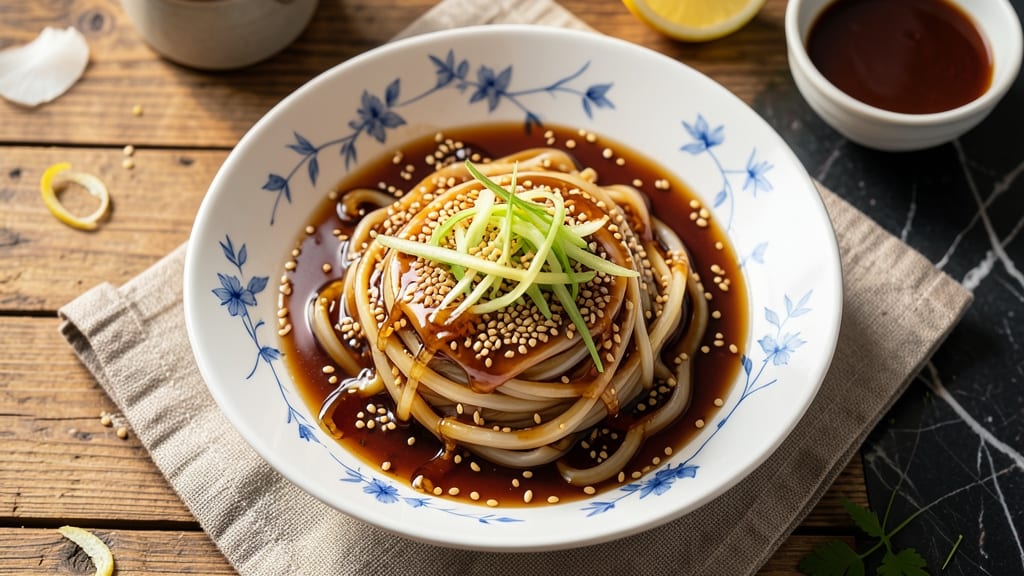
This Chinese noodle salad dressing recipe transforms simple ingredients into a bold, balanced sauce that elevates every bite with sesame-ginger zing and deep umami notes.
The secret lies in the harmony of soy sauce, sesame oil, and vinegar—each playing its part to create a dressing that's tangy, nutty, and subtly sweet without overpowering the salad's freshness.
I developed this recipe after years of testing, ensuring it works perfectly with cold noodles, crisp vegetables, and protein like chicken or tofu.
The beauty of this dressing is its versatility and longevity—it stays vibrant in the fridge for up to a week, making it ideal for meal prep. The ginger adds a bright, aromatic kick, while toasted sesame oil contributes that signature nutty depth.
For extra heat, a drizzle of chili oil brings a smoky-spicy contrast that cuts through the richness. Unlike store-bought versions, this recipe avoids artificial flavors, delivering a clean, restaurant-quality taste at home.
What makes this dressing truly special is how it enhances rather than dominates your salad. Toss it with chilled noodles, shredded cabbage, carrots, and protein for a meal that's both refreshing and satisfying. The sauce clings beautifully to every ingredient, ensuring every forkful is packed with flavor.
Whether you're prepping for lunches or adding a zesty finish to a summer potluck, this dressing is your secret weapon.
Ready in just 10 minutes with pantry staples, this recipe proves you don’t need complicated techniques to achieve restaurant-quality results. The balance of flavors—savory, tangy, and slightly sweet—is what sets it apart, making it perfect for both beginner cooks and seasoned home chefs.
Let’s make dressing that brings the bold flavors of Chinese cuisine to your table.
Ingredients for chinese noodle salad dressing
Pantry staples meet bold Asian flavors in this restaurant-quality dressing.
| Ingredient | Amount | Notes |
|---|---|---|
| Toasted Sesame Oil 🫒 | ⅓ cup | High-quality, nutty aroma |
| Light Soy Sauce 🍶 | ⅓ cup | Kikkoman preferred |
| Rice Vinegar 🍶 | ¼ cup | Seasoned preferred for depth |
| Fresh Ginger 🧄 | 1 ½ tbsp | Finely grated, bright flavor |
| Sesame Seeds 🌾 | 2 tbsp | Toasted for extra crunch |
| Honey 🍯 | 1 ½ tbsp | Substitute maple syrup if vegan |
| Garlic Cloves 🧄 | 2 cloves | Minced, fresh preferred |
| Chili Oil 🌶️ | 1 tbsp | Optional for heat, adjust to taste |
| Salt 🧂 | ½ tsp | Kosher or sea salt |
| Black Pepper 🌶️ | ¼ tsp | Freshly ground for best flavor |
The sesame oil is non-negotiable here—look for toasted varieties at Asian markets or the international aisle. Kikkoman soy sauce is my go-to, but any light soy works. Fresh ginger is key for that bright kick, so grab a small knob and grate it yourself (pre-grated tastes dull). Trader Joe's has great toasted sesame seeds if you don't want to toast your own. For honey, I always use local raw honey—it adds subtle floral notes that store-bought can't match.
No toasted sesame oil? Regular sesame oil plus 1/2 tsp toasted sesame seeds works in a pinch. Swap honey for maple syrup or agave> for vegan versions. Pre-grated ginger? Use half the amount but add a pinch of fresh for brightness. The chili oil is optional but adds that smoky-spicy contrast that makes this dressing pop—Lao Gan Ma brand is my favorite for authentic heat. If you're missing garlic, garlic powder at half the amount gets you close, but fresh is better.
Store any leftovers in a sealed jar with a thin layer of oil on top to preserve freshness. Keeps for 1 week in the fridge, though I rarely have any left that long. Double the batch and freeze half for later—it thaws beautifully. The dressing thickens slightly when chilled, so give it a quick whisk before using. Perfect for meal prep since it clings to noodles and veggies without getting soggy.
Why You'll Love This Recipe
- No-Fuss Pantry Magic: I swear by this dressing because it’s all about what’s already there. Toasted sesame oil and light soy sauce? Probably in your cabinet. Fresh ginger? One tiny knob from the jar. Honestly, I’ve made this with just those three things when I forgot everything else—still tasted like a restaurant takeout.
- Umami Bomb Combo: That first splash of toasted sesame oil? Chef’s kiss. It’s the secret weapon—nutty, toasty, and instantly elevates the whole bowl. Add the ginger’s sharp zing and a splash of rice vinegar, and suddenly your salad tastes like it’s been simmering for hours. (Yes, even on a Tuesday night.)
- Lunchbox Superstar: This dressing keeps perfectly for days in the fridge—no weird separation, no sad flavors. I’ll make a big batch on Sunday, toss it with cold noodles, and pack it for work. My kids ask for it in their bento boxes too, which means I’ve won at parenting.
- Budget Hack Winner: Sesame seeds and ginger won’t break the bank, and a little goes a long way. I’ve stretched this dressing over store-brand rice noodles and still felt fancy. Between us, this is how I make $5 groceries taste like a $50 meal—no shame in that game.
Step-by-step instructions for Chinese noodle salad dressing
This dressing comes together in minutes but packs layers of flavor.
Toast the Sesame Seeds for Nutty Depth
Heat a dry skillet over medium heat and add the 2 tablespoons sesame seeds. Toast them for 2-3 minutes until they turn a rich golden brown and release an intoxicating aroma. Stir constantly so they don't burn—you want them fragrant but not bitter.
Transfer the toasted seeds to a small bowl and set aside to cool. These seeds will add both texture and that signature nutty flavor that makes this dressing special. If you don't have time to toast them, you can use store-bought toasted sesame seeds, but fresh toasting makes all the difference.
Grate and Mince the Fresh Ingredients
Using a fine grater, grate the 1.5 tablespoons fresh ginger until you have a smooth paste with no visible fibers. This ensures the ginger flavor distributes evenly throughout the dressing. In a separate small bowl, finely mince the 2 cloves garlic until you have about 1 teaspoon of minced garlic.
The freshness of these ingredients is crucial—they bring the bright, zesty notes that balance the richness of the soy sauce and sesame oil. If you're using pre-minced garlic from a jar, it won't have the same impact, so fresh is definitely worth the extra minute of prep.
Whisk Together the Wet Ingredients
In a medium bowl, combine the 0.33 cup toasted sesame oil, 0.33 cup light soy sauce, and 0.25 cup rice vinegar. Add the grated ginger and minced garlic to the bowl. Using a whisk, stir vigorously for 30 seconds to fully incorporate all the ingredients. This mixture should look smooth and slightly thickened from the sesame oil.
The sesame oil will initially separate slightly, but the whisking will emulsify it with the soy sauce and vinegar. If you notice any separation after whisking, just give it another quick stir—this dressing comes together beautifully once everything's combined.
Sweeten and Season the Dressing
Add the 1.5 tablespoons honey, 1 tablespoon chili oil (if using), 0.5 teaspoon salt, and 0.25 teaspoon black pepper to the bowl. Whisk everything together until the honey is fully dissolved and the dressing reaches a smooth, glossy consistency. Taste and adjust the seasoning if needed—you might want to add a bit more soy sauce for saltiness or honey for sweetness.
The chili oil adds a subtle heat that pairs perfectly with the cooling sesame oil and bright vinegar. If you prefer a milder dressing, you can reduce the chili oil to ½ tablespoon or omit it entirely. The dressing should have a perfect balance of sweet, salty, tangy, and slightly spicy notes.
Finish with Toasted Sesame Seeds
Just before using the dressing, sprinkle in the toasted sesame seeds and give the mixture one final stir. The seeds will add a delightful crunch that contrasts beautifully with the smooth texture of the dressing. This is where the magic happens—the combination of all these flavors and textures creates a dressing that elevates any noodle salad to restaurant-quality.
Let the dressing sit for 5-10 minutes before using to allow the flavors to meld together. The longer it sits, the more cohesive and flavorful it becomes. Store any leftovers in an airtight container in the refrigerator for up to 1 week, though I doubt it will last that long!
Pro Tips For Making Chinese Noodle Salad Dressing
- GRATE GINGER FINE: Use the smallest holes on your grater—think dust, not matchsticks. I learned this the hard way when my dressing tasted like a ginger root had wandered in. A microplane works too, but don’t go lazy with a knife unless you’re prepping for a sushi chef’s test.
- WHISK SESAME OIL LAST: Add toasted sesame oil after everything else is mixed, then give it a quick whisk. Dumping it in early will make your dressing separate like oil and water in a divorce settlement. Stir gently—this stuff’s potent.
- SALT THE VINEGAR: Light soy sauce is salty, but rice vinegar isn’t. Taste your vinegar first and add a pinch of salt if it’s unsalted—trust me, your dressing won’t taste like someone forgot the seasoning. (Yes, even if the recipe doesn’t say it.)
- TOAST SEEDS SEPARATELY: Dry-toast sesame seeds in a pan for 30 seconds until they smell nutty, then sprinkle them on top of the salad after dressing. Mixing them in raw makes your dressing taste like you raided the birdseed aisle. (Your future self will notice.)
Regional styles of these flavors
Cantonese-Inspired
This dressing draws heavy inspiration from Cantonese cuisine, where sesame and ginger are staple flavor enhancers. In Hong Kong-style noodle salads, you’ll often find a similar balance of light soy sauce and rice vinegar, but with added fresh ginger for brightness.
I’ve perfected this version by using Kikkoman soy sauce—it’s the gold standard for that clean, slightly sweet umami punch. The toasted sesame oil is non-negotiable here; it’s what gives the dressing that signature nutty aroma that’s quintessential in Cantonese dishes. 🌶️
For an authentic touch, serve this dressing with chilled egg noodles, shredded Napa cabbage, and thinly sliced carrots. The contrast of textures—crisp veggies, chewy noodles, and the smooth, slightly crunchy dressing—is pure Cantonese comfort food.
If you’re feeling adventurous, add sliced jicama for extra crunch and a refreshing bite.
Sichuan Spicy Twist
If you love heat, this Sichuan-inspired variation swaps the chili oil for Lao Gan Ma chili bean paste—just 1 teaspoon mixed into the dressing. The paste adds a deep, smoky-spicy flavor that pairs perfectly with the cooling sesame oil.
For extra umami, stir in 1 teaspoon of doubanjiang (fermented chili bean paste) alongside the garlic. This version is perfect for spicy cold noodle salads, like those served in Chengdu. 🔥
Balance the heat with a touch of sweetness—add an extra ½ tablespoon of honey or swap in 1 teaspoon of plum sauce for a fruity depth. Garnish with crushed peanuts for crunch and serve with shredded cucumber and sliced bell peppers to tame the spice.
Trust me, this dressing will make your noodle salad the star of the table.
Shanghai Sweet-Savory
In Shanghai, dressings lean toward a sweeter, more balanced profile—think of the flavors in xiaolongbao (soup dumplings) but in liquid form. For this variation, reduce the chili oil to ½ tablespoon and add 1 teaspoon of Shaoxing wine (a dry Chinese rice wine) to the wet ingredients.
The wine adds a subtle, floral depth that’s characteristic of Shanghai cuisine. 🍶
To elevate it further, stir in 1 teaspoon of light brown sugar and a pinch of white pepper instead of black. This version works beautifully with glass noodles, shredded green onions, and sliced mushrooms.
The sweetness in the dressing complements the earthy flavors of the mushrooms, creating a harmonious bite. It’s the perfect dressing for a summer potluck or a quick lunchbox meal.
Taiwanese Street Food
Taiwanese street food dressings are all about bold, contrasting flavors—sweet, salty, tangy, and spicy all in one.
For this take, add 1 teaspoon of hoisin sauce to the dressing for extra richness, and swap the honey for 1 teaspoon of maltose syrup (common in Taiwanese desserts but also used in savory dishes). The maltose syrup adds a caramel-like sweetness that’s uniquely Taiwanese. 🌟
For heat, use 1 tablespoon of chili crisp (a Taiwanese staple) instead of chili oil. The crisp adds a smoky, fiery kick that’s impossible to resist. Serve this dressing with chewy tapioca noodles, shredded cabbage, and sliced bell peppers.
It’s the kind of dressing that makes you want to eat your noodle salad with chopsticks—no fork needed!
Nutrition facts
Frequently asked questions
Can I make this dressing without sesame oil?
You can substitute with 1 tablespoon neutral oil (like avocado or vegetable oil) plus ½ teaspoon toasted sesame seeds for flavor. The dressing will lose some nutty depth, but it'll still taste delicious. For extra aroma, add ½ teaspoon ground sesame seeds instead of toasting fresh ones.
How long does this dressing keep in the fridge?
This dressing stays fresh for up to 1 week when stored in an airtight container with a thin layer of oil on top. The flavors actually improve after 24 hours as the ingredients meld together. If it thickens when chilled, just whisk vigorously before using to restore its smooth consistency.
What's the best way to store leftover dressing?
Transfer to a clean, airtight glass jar and refrigerate. For longer storage, divide into ice cube trays, freeze, then transfer cubes to a freezer bag. Thaw overnight in the fridge—this works perfectly for meal prep. The oil layer on top helps preserve freshness by preventing oxidation.
Can I adjust the spice level for kids?
Simply omit the chili oil entirely for a mild version. For very young children, reduce the garlic to 1 clove and use ½ teaspoon ginger instead of 1.5 tablespoons. The dressing will still have great flavor without being too intense. You can also add a pinch of sugar to balance any remaining sharpness.
Why does my dressing separate after refrigerating?
This is normal due to the natural separation of oils and vinegar. Simply whisk vigorously for 30 seconds before using—it should emulsify perfectly. For extra stability, add 1 teaspoon of cornstarch or arrowroot powder mixed with 1 tablespoon water to the dressing before refrigerating. This creates a natural thickener that helps prevent separation.