Salads
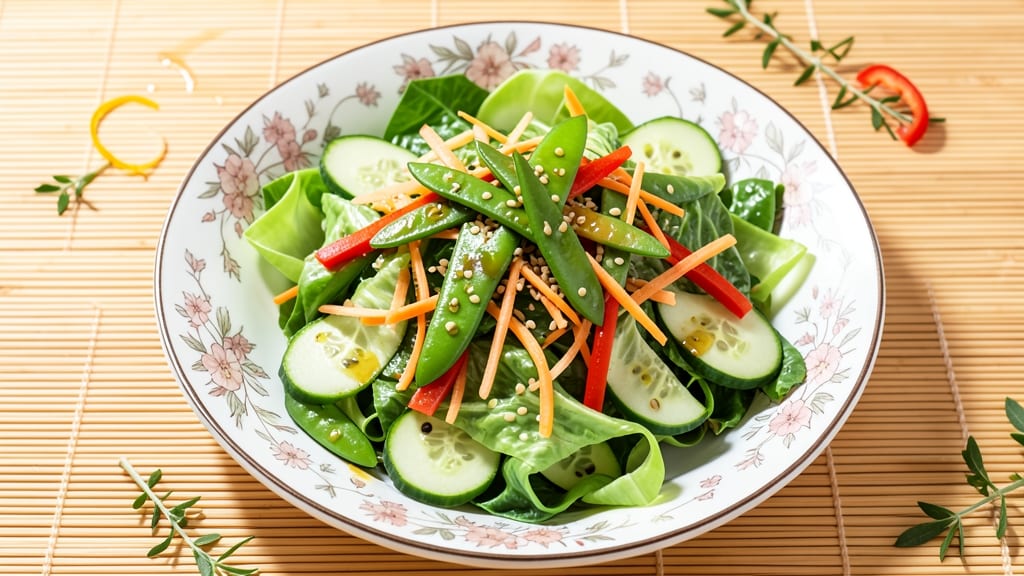
This Chinese vegetable salad recipe transforms fresh, crisp vegetables into a vibrant, flavor-packed dish that’s ready in just 15 minutes. The secret lies in a simple yet bold sesame-ginger dressing that balances sweet, spicy, and umami notes without overpowering the natural crunch of the vegetables.
I developed this recipe after craving a light yet satisfying meal that still felt deeply flavorful—no heavy dressings or wilted greens here.
The beauty of this salad is its adaptability. You can use any combination of crunchy vegetables—think thinly sliced cucumbers, bell peppers, shredded carrots, and even snap peas—all tossed with a protein boost like edamame or crispy tofu if you’d like.
The dressing is made with just five ingredients: sesame oil, rice vinegar, soy sauce, ginger, and a touch of honey, creating a perfect harmony of textures and flavors.
What you’ll end up with is a salad that’s as visually stunning as it is delicious—bright, colorful, and packed with layers of flavor. The vegetables stay crisp thanks to a quick toss in the dressing right before serving, ensuring every bite is fresh and full of texture.
This dish is perfect for meal prep, potlucks, or a quick weeknight dinner that feels special.
Whether you’re serving it as a side or a main dish, this Chinese vegetable salad delivers restaurant-quality results with minimal effort. Let’s get started—your taste buds (and leftovers) will thank you.
Ingredients for chinese vegetable salad
Fresh, crunchy veggies and a bold sesame-ginger dressing make this salad restaurant-worthy in 15 minutes.
| Ingredient | Amount | Notes |
|---|---|---|
| Crisp Green Cabbage 🥬 | 3 cups | Thinly sliced, core removed |
| English Cucumber 🥒 | 1 whole | Sliced thinly, seeds removed |
| Carrots 🥕 | 2 medium | Shredded or julienned |
| Red Bell Pepper 🌶️ | 1 whole | Thinly sliced, seeds removed |
| Snap Peas 🌱 | 1 cup | Fresh or frozen, thawed |
| Sesame Oil 🫒 | 2 tbsp | Toasted sesame preferred |
| Rice Vinegar 💧 | 3 tbsp | Seasoned if available |
| Soy Sauce 🍶 | 2 tbsp | Low-sodium preferred |
| Fresh Ginger 🌿 | 1 tbsp | Grated finely, fresh preferred |
| Honey 🍯 | 1 tbsp | Or agave for vegan option |
| Sesame Seeds 🌰 | 1 tbsp | Toasted for garnish |
| Edamame 🌱 | ½ cup | Shelled, optional protein |
| Salt 🧂 | ½ tsp | Sea salt preferred |
| Black Pepper 🌶️ | ¼ tsp | Freshly ground |
The vegetables are the star—pick the freshest you can find. Whole Foods or your local Asian market usually have the best selection of crisp cabbage and snap peas. For the carrots, organic works best if you're peeling them, but regular carrots are fine if you leave the skin on. Bell peppers should be firm and vibrant—avoid any with soft spots. If you can't find snap peas, sugar snap peas or snow peas work too. I always grab extra edamame when I see it on sale at Trader Joe's—it's the perfect protein boost without overpowering the salad.
No sesame oil? Toasted peanut oil works in a pinch, but it won't have that same nutty aroma. Swap honey for maple syrup or agave if you need a vegan version. Fresh ginger is ideal, but if you only have powdered, use half the amount. For the soy sauce, tamari works too if you're gluten-free. The dressing can be made up to 3 days ahead—just store it in the fridge and shake well before using. If you're short on time, pre-shredded carrots from the salad bar section save steps, though fresh is always better.
This salad stays crisp for 2 days in the fridge if you keep the dressing separate. For maximum crunch, toss the veggies with dressing right before serving. The edamame can be added fresh or warmed slightly for a cozy touch. If you're prepping for a crowd, double the dressing and store it in a separate container. The sesame seeds toast beautifully in a dry pan for 30 seconds—worth it for that extra crunch and aroma. Leftovers? Toss with a little extra sesame oil and serve cold over rice for a quick stir-fry.
Why You'll Love This Recipe
- No Knife Fuss: I swear by this one—just shred the cabbage, slice the cucumber into half-moons, and chop the carrots into matchsticks. The bell pepper and snap peas barely need prep, and honestly? That’s half the battle won before you even start dressing it.
- Crunchy-Creamy Magic: The secret’s in the dressing—sesame oil, rice vinegar, and a touch of soy sauce cut through the crunch of the cabbage and cucumber while the shredded carrots add that sweet, satisfying bite. (Yes, even my picky teen finishes his bowl.)
- Lunchbox Legend: Between us, this salad holds up for days. Pack it for work, toss it in school lunches, or serve it at potlucks—it’s the one dish that never gets passed over. The cabbage stays crisp, the cucumbers don’t wilt, and the snap peas? Still snappy after three days.
- Pantry Staple Power: I make this when I’m broke or lazy—both work. Cabbage and carrots last forever, bell peppers are cheap in bulk, and cucumbers stretch a long time if you store them right. Plus, it’s the only salad I can make without buying a fancy dressing. Just salt, oil, and a squeeze of lime. Done.
Step-by-step instructions for Chinese vegetable salad
This vibrant salad comes together faster than you can say "crunchy perfection."
Prep and Combine All Vegetables
Start by washing and thoroughly drying all your vegetables—moisture makes salads soggy. Use a sharp knife to thinly slice the 3 cups crisp green cabbage, removing the core first. Cut the 1 whole English cucumber into half-moons, scooping out the seeds. For the 2 medium carrots, use a peeler or mandoline to create fine julienne strips. Slice the 1 whole red bell pepper into thin strips, removing seeds and membranes.
Add the 1 cup snap peas to the mix—fresh or thawed if frozen. If using the 0.5 cup edamame, blanch in boiling water for 1 minute to soften, then drain and cool under cold water. Transfer all prepped vegetables to a large mixing bowl. This is where the magic begins—each vegetable brings its own texture and color to the plate.
Create the Flavorful Dressing
In a small bowl, whisk together the 2 tbsp sesame oil, 3 tbsp rice vinegar, 2 tbsp soy sauce, 1 tbsp honey, and 1 tbsp finely grated fresh ginger. This dressing is the heart of your salad—it balances sweet, tangy, and umami flavors perfectly. Taste as you go; you can adjust the honey for more sweetness or rice vinegar for extra tang if needed.
Next, add the 0.5 tsp salt and 0.25 tsp freshly ground black pepper to the dressing. The salt enhances all the flavors, while the pepper adds a subtle kick. Stir well until everything is fully combined. Here's the thing—this dressing should be smooth and glossy, not clumpy. If it looks too thick, add 1 teaspoon of water to loosen it up.
Toss and Chill for Maximum Crunch
Pour the dressing over the vegetables in the mixing bowl and toss gently but thoroughly. You want every piece of vegetable coated evenly—this ensures each bite is packed with flavor. If the salad seems too wet after tossing, add a few more snap peas or shredded cabbage to absorb the excess moisture. This step is all about balance: the vegetables should be bright and crisp, not drowned in dressing.
Cover the bowl and refrigerate for at least 15 minutes before serving. Chilling allows the flavors to meld together beautifully and keeps the vegetables extra crisp. This is especially important for the cabbage and cucumber, which can soften quickly. While it chills, toast the 1 tbsp sesame seeds in a dry skillet over medium heat for 1-2 minutes until golden and fragrant—this adds a nutty crunch to the top.
Serve with Garnish and Enjoy
Before serving, give the salad one final toss to redistribute any dressing that may have settled. Transfer to a platter and sprinkle the toasted sesame seeds evenly over the top. The seeds add a delightful textural contrast and a final burst of flavor. Serve immediately while the vegetables are at their crispest, and enjoy the perfect balance of crunch, tang, and sweetness in every bite.
This salad is best enjoyed fresh, so I recommend making it just before serving. It pairs beautifully with grilled meats, rice, or even as a standalone light meal. The key to success is in the prep—take your time with the chopping, and you'll be rewarded with a salad that's as beautiful as it is delicious.
Pro Tips For Making Chinese Vegetable Salad
- CHOP CABBAGE LAST: Green cabbage wilts faster than the others—save it for the final 2 minutes of tossing. I learned this the hard way when my salad turned soggy mid-plate; now I keep it separate until everything else is dressed.
- SALT CUCUMBERS FIRST: Toss sliced cucumbers with ½ teaspoon salt and let them sit 10 minutes before rinsing. This draws out excess water so they stay crisp instead of turning into a sad, limp mess.
- SKIP PEPPER SEEDS: Remove the white membrane and seeds from red bell peppers before slicing—it’s bitter and ruins the balance. Yes, it’s tedious, but your salad will taste cleaner and more vibrant.
- USE COLD TOOLS: Chill your knife and cutting board in the freezer for 10 minutes before prepping. The shock keeps carrots and snap peas from softening while you work—no more mushy surprises in your salad.
Troubleshooting perfect results
Wet Vegetables
If your salad looks watery after tossing, it’s likely from excess moisture in the vegetables. Start by patting them completely dry with paper towels before chopping. For cucumbers, scoop out the seeds and slice them thinly—thick slices release more water.
If the issue persists, add a handful of dry snap peas or shredded carrots to absorb the excess liquid. 🥒
Dressing Too Thin
The dressing should coat the vegetables without making them soggy. If it’s too thin, reduce the rice vinegar by 1 tbsp or add ½ tsp cornstarch mixed with 1 tsp water to thicken it.
For extra richness, stir in 1 tsp toasted sesame oil right before tossing. Always taste the dressing before adding it to the salad—adjust the honey or soy sauce to balance flavors.
Vegetables Too Soft
Overly soft veggies usually mean they were chopped too thick or sat too long in dressing. Use a sharp mandoline or peeler for thin, even slices. For cabbage, slice ¼-inch thick and keep it separate until the last minute.
If the salad has been chilling, toss it again right before serving to revive the crunch. A quick sprinkle of rice vinegar can also help tighten the texture. 🥬
Uneven Dressing Distribution
For even coating, toss the salad in two batches if it’s large. Use a wooden spoon or salad tongs to gently fold the dressing into the vegetables, starting from the center and working outward.
If some pieces stay dry, add a splash of dressing directly to them. A light hand is key—over-tossing can bruise delicate veggies like bell peppers.
Dressing Too Strong
If the sesame-ginger flavor overpowers the veggies, dilute the dressing with 1 tbsp water or 1 tsp extra rice vinegar to mellow the intensity. For a milder taste, reduce the soy sauce by 1 tsp or swap it for coconut aminos.
A pinch of sugar can also balance the acidity if the vinegar is too sharp. Always taste as you go!
Preventing Bitter Taste
Bitterness often comes from overcooked or aged vegetables. Use fresh, crisp cabbage and cucumbers—avoid pre-cut salad mixes that may have wilted. For carrots, peel them if they’re bitter. If the dressing tastes off, check the ginger (use fresh, not powdered) and sesame oil (ensure it’s toasted and high-quality).
A squeeze of lemon juice can also brighten the flavors. 🌿
Nutrition facts
Frequently asked questions
Can I make this Chinese vegetable salad ahead of time?
Yes, but with a few key adjustments! Prepare the vegetables and dressing separately up to 2 days ahead—store them in airtight containers in the fridge. When ready to serve, toss everything together and let it sit for 10 minutes before serving to revive the crunch. For best texture, avoid mixing the dressing with veggies too early.
What if I don't have sesame oil?
No problem! Use toasted peanut oil or even a light olive oil in a pinch. For extra authenticity, add ½ tsp toasted sesame seeds to the dressing to mimic the nutty flavor. Just remember that peanut oil has a milder taste compared to sesame oil's distinct aroma.
How can I make this salad gluten-free?
Simply swap the soy sauce for tamari or coconut aminos—both are naturally gluten-free alternatives. Check all other ingredients (like rice vinegar) to ensure they're certified gluten-free if you're highly sensitive. The rest of the recipe remains exactly the same!
Can I add protein to this salad?
The recipe already includes optional edamame, but you could also add grilled shrimp, baked tofu, or shredded chicken. For best results, cook proteins separately and add them to the salad just before serving to maintain crispness. Keep portions to ½ cup per serving to avoid overpowering the fresh veggies.
Why does my cabbage taste bitter?
Bitter cabbage usually means it's older or wasn't stored properly. Choose firm, crisp heads with no yellowing leaves. For extra sweetness, let the cabbage sit at room temperature for 30 minutes before slicing. If it's already bitter, soak the slices in cold water for 5 minutes before draining and using.