
Salads
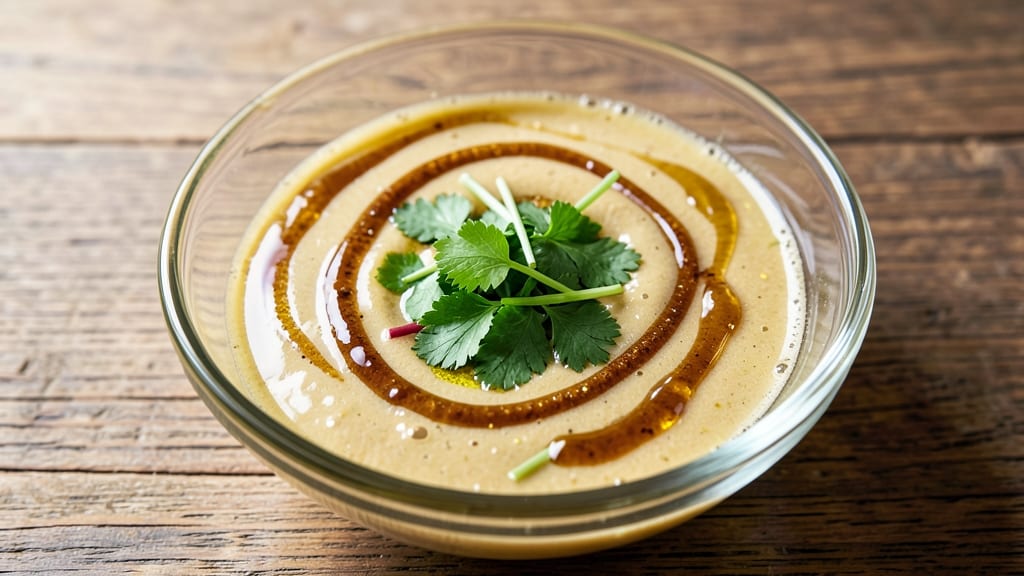
This cold salad dressing recipe transforms any cold salad into a vibrant, restaurant-quality meal with just five simple ingredients. The secret lies in balancing sharp vinegar with smooth olive oil for a dressing that clings perfectly to greens without overpowering their natural flavor.
Unlike store-bought versions, this recipe stays fresh for up to a week in the fridge—ideal for meal prep enthusiasts.
The foundation is a classic vinaigrette ratio (3 parts oil to 1 part vinegar), but the magic happens in the herbs. Fresh parsley and chives add bright, fresh notes, while Dijon mustard acts as a natural emulsifier to keep the dressing silky smooth.
A touch of honey balances acidity, creating a dressing that’s tangy yet approachable—perfect for everything from crisp arugula salads to hearty grain bowls.
What sets this recipe apart is its versatility. Use it as-is for a bright, herb-forward dressing, or customize with garlic, lemon zest, or smoked paprika for added depth.
The dressing thickens slightly when refrigerated, so simply whisk before using to restore its silky consistency. Once you try this, store-bought options will never compare again.
Best of all, this dressing requires just minutes to prepare and keeps for up to seven days, making it a pantry staple for effortless, flavor-packed meals. Whether you're prepping lunches for the week or elevating a last-minute salad, this herb vinaigrette delivers professional results without the fuss.
Ingredients for cold salad dressing
Five simple ingredients balance perfectly for a vibrant, restaurant-quality herb vinaigrette that elevates any cold salad.
| Ingredient | Amount | Notes |
|---|---|---|
| Extra-Virgin Olive Oil 🫒 | ¾ cup | High-quality, fruity variety |
| White Wine Vinegar 🍷 | ¼ cup | Dry, crisp vinegar preferred |
| Fresh Parsley Leaves 🌿 | ½ cup | Finely chopped, stems removed |
| Fresh Chives 🌱 | ¼ cup | Finely chopped, mild onion flavor |
| Dijon Mustard 🍯 | 1 tbsp | For emulsification and tang |
| Raw Honey 🍯 | 1 tbsp | Light floral variety preferred |
| Diamond Crystal Kosher Salt 🧂 | ½ tsp | Fine grain for even dissolving |
| Freshly Ground Black Pepper 🌶️ | ¼ tsp | Freshly cracked for best flavor |
The olive oil is the heart of this dressing—look for extra-virgin with a fruity, peppery finish (like California Olive Ranch or Colavita). White wine vinegar should be dry and crisp; avoid malt vinegar, which adds a harsh bite. Fresh herbs are non-negotiable here—grab parsley and chives from the grocery store's produce section, where they're typically fresher than the pre-washed containers. For the honey, avoid ultra-processed varieties—raw, local honey adds subtle floral notes that store-bought can't match. If you're short on time, Trader Joe's carries pre-chopped parsley and chives that work in a pinch.
No Dijon mustard? Yellow mustard thinned with water works, though it lacks depth. Fresh herbs wilt fast—use within 2 days of chopping or store them in airtight containers with a damp paper towel. The honey can be swapped for maple syrup or agave nectar for vegan versions, though the flavor shifts slightly. For extra tang, add a splash of lemon juice (1 tsp). If your dressing separates when refrigerated, simply whisk vigorously before using—it should come back together smoothly. The salt and pepper are easy swaps: sea salt at half the amount or cayenne for heat.
This dressing thickens slightly when refrigerated, so whisk before each use to restore its silky texture. Store in a clean, airtight jar in the fridge for up to 7 days. For longer storage, transfer to an ice cube tray, freeze, and pop out individual portions—perfect for meal prep. The herbs will keep their color best if you pour a thin layer of olive oil over the surface before sealing. Once opened, use within 3 months for optimal flavor. The dressing works beautifully on everything from crisp arugula to hearty grain bowls—double the batch if you'll need it all week.
Why You'll Love This Recipe
- I swear by this trick: just pulse the parsley and chives in my food processor for 10 seconds. No knife skills required—just dump, blend, and go. That Dijon mustard does the emulsifying work while I’m still deciding what to eat for dinner.
- I use what I already have: olive oil, vinegar, and herbs I can grow in pots. No fancy ingredients, no wasted money—just reliable flavor that makes even the simplest salad feel like a restaurant dish. (Yes, even on a Tuesday night.)
Step-by-step instructions for no-mayo herb vinaigrette
This bright, herb-forward vinaigrette delivers bold flavor without mayo—perfect for salads that stay fresh for days.
Whisk Vinegar and Seasonings Together
In a medium bowl, combine the 0.25 cup white wine vinegar, 1 tablespoon Dijon mustard, 1 tablespoon raw honey, 0.5 teaspoon Diamond Crystal kosher salt, and 0.25 teaspoon freshly ground black pepper. Whisk vigorously for 30 seconds until the honey and salt fully dissolve—you should hear a faint fizzing as the salt activates. This step ensures even distribution of flavors before adding the oil.
The vinegar should look completely clear with no visible salt crystals. If you see undissolved salt, whisk for another 10 seconds—proper emulsification starts here. This mixture forms the tangy foundation that balances the rich olive oil later. I like to work quickly at this stage to prevent the vinegar from losing its crispness.
Gradually Incorporate the Olive Oil
With the whisk still in the bowl, slowly drizzle in the 0.75 cup extra-virgin olive oil while whisking continuously. Start with a slow stream, then increase to a steady drizzle as the mixture begins to thicken. The goal is to create a stable emulsion where the oil and vinegar blend smoothly without separating.
You'll notice the mixture transform from a thin liquid to a thick, creamy dressing. Keep whisking for 2-3 minutes after all the oil is added—this ensures the emulsifiers (mustard and honey) fully bind the oil and vinegar. If the dressing looks curdled at any point, don't panic; continue whisking until it smooths out completely.
Fold in the Fresh Herbs
Add the 0.5 cup finely chopped fresh parsley leaves and 0.25 cup finely chopped fresh chives to the dressing. Using a rubber spatula, gently fold the herbs into the mixture just until combined. Be careful not to overmix—you want the herbs to distribute evenly without breaking them down into a pulp, which can make the dressing bitter.
The herbs should be visibly speckled throughout the dressing. Taste and adjust seasoning if needed—add a pinch more salt or a splash of vinegar if the flavors aren't balanced. This is the moment to taste test; the dressing should be bright, slightly sweet, and tangy with a clean herbal finish. If it tastes too sharp, add a tiny bit more honey; if too mild, add a drop more vinegar.
Rest and Adjust Consistency
Cover the bowl with plastic wrap and let the dressing rest at room temperature for 15 minutes. This resting period allows the flavors to meld and the emulsion to fully stabilize. During this time, check the consistency—if it's too thick for your liking, thin it with 1-2 teaspoons of water or a splash of vinegar.
For best results, store the dressing in an airtight container in the refrigerator. It will keep for up to 5 days, maintaining its vibrant color and fresh herb flavor. The longer it sits, the more the flavors develop, so I often make a double batch—this dressing works beautifully on everything from grain salads to roasted vegetable platters.
Pro Tips For Making Cold Salad Dressing
- STIR IT DOWN: Mix the vinegar and mustard first—no oil yet. That thickens the mustard properly before you add the oil, so you don’t end up with a lumpy mess when you whisk everything together. I learned this the hard way after making dressing that looked like someone had forgotten to shake the jar.
- CHOP HERBS FINE: Stack parsley and chives, roll them tightly, and slice in one motion—this keeps them uniform and releases more flavor. Big chunks sink to the bottom of your salad; tiny bits blend right in and brighten every bite.
- SALT THE VINEGAR: Add a pinch of salt to the vinegar before mixing—it balances the acidity and rounds out the flavor. Skipping this step means your dressing will taste sharp and unfinished, no matter how much olive oil you add.
- REST THE DRESSING: Let it sit for 10 minutes after whisking. The flavors meld, the mustard emulsifies better, and the dressing thickens just enough to cling to greens. I used to pour it straight over salads, but now I wait—it makes all the difference in how well it coats everything.
Troubleshooting your cold salad dressing
Separation Solutions
If your dressing separates after refrigeration, don't toss it! Simply whisk vigorously for 30-60 seconds—the mustard and honey act as natural emulsifiers that will bring everything back together. For stubborn separation, add 1 teaspoon of warm water and whisk again.
This happens because cold temperatures cause oils and vinegars to naturally separate, but your dressing will be ready to use in seconds. 💫
Herb Wilt Prevention
Fresh herbs can turn your dressing bitter if over-chopped or left too long. To prevent this, store chopped herbs in an airtight container with a damp paper towel to retain moisture. Use them within 2 days of chopping for peak flavor.
If your dressing tastes bitter, it's a sign the herbs have broken down—start fresh with a new batch of vibrant greens. I keep pre-chopped herbs in the fridge in small containers for quick access.
Thickness Adjustments
Dressing consistency changes after refrigeration—it naturally thickens. To thin it, add 1 teaspoon of water or vinegar at a time until you reach your desired consistency. For extra thickness, let it sit at room temperature for 5-10 minutes before using.
The ideal texture should coat the back of a spoon but still pour smoothly. If it's too thick, a splash of vinegar cuts through it beautifully while maintaining balance. 🥄
Flavor Balance Fixes
If your dressing tastes too sharp, add ½ teaspoon more honey or 1 teaspoon maple syrup to sweeten. For insufficient tang, stir in ½ teaspoon lemon juice or an extra ¼ teaspoon vinegar. The key is small adjustments—taste as you go!
I keep a tiny bowl of honey and vinegar nearby when making dressings for quick fixes. Remember, the flavors will mellow slightly after resting, so start with a slightly sharper taste if you're unsure.
Storage Longevity
To maximize freshness, store your dressing in a clean, airtight glass jar in the fridge. For longer storage (up to 3 months), freeze in ice cube trays—just pop out a cube when needed and let it thaw at room temperature.
The herbs will lose some vibrancy over time, so use frozen portions within 1 month for best results. I label my jars with dates to track freshness—this keeps my dressings tasting bright week after week.
Equipment Swaps
No whisk? Use a hand mixer or immersion blender for faster emulsification. Short on time? A small mason jar works perfectly—just add ingredients, seal, and shake vigorously for 30 seconds. For ultra-smooth results, pulse in a food processor for 10-15 seconds.
The key is thorough mixing, regardless of tool. I keep a small jar in my fridge for quick dressing prep during busy weeks—just shake and pour! ✨
Nutrition facts
Frequently asked questions
Can I make this dressing without Dijon mustard?
Yes! Replace the 1 tablespoon Dijon with 1 teaspoon yellow mustard thinned with 1 teaspoon water for a milder flavor. For extra tang, add ½ teaspoon lemon juice to help emulsify the oil and vinegar. The texture may be slightly less stable, but it'll still work beautifully.
How do I keep the herbs fresh longer in the dressing?
Store your dressing in an airtight glass jar with a thin layer of olive oil poured over the top before sealing. This prevents oxidation and keeps the herbs vibrant for up to 5 days in the fridge. For longer storage, freeze individual portions in ice cube trays—just use within 1 month for best flavor. Fresh herbs wilt fastest, so chop them just before adding to the dressing.
Why did my dressing separate after refrigerating?
Cold temperatures cause natural separation in oil-vinegar dressings. Simply whisk vigorously for 30-60 seconds—the Dijon mustard and honey will re-emulsify it instantly. For stubborn separation, add 1 teaspoon warm water while whisking. This happens to all homemade dressings, but your flavors will still be delicious!
Can I use this dressing on hot salads?
This dressing is designed for cold salads, but you can use it warm if needed! Just reheat gently (don't boil) and whisk to restore consistency. For hot dishes, consider a slightly thicker version with 1 extra tablespoon olive oil to prevent drippage. The flavors work beautifully on warm grain bowls or roasted vegetable platters too.
What's the best way to store leftover dressing?
Transfer to a clean, airtight glass jar and refrigerate for up to 7 days. For longer storage, freeze in ice cube trays—thaw at room temperature before using. Always label with dates to track freshness. The dressing thickens when cold, so whisk before each use for perfect consistency.