Salads
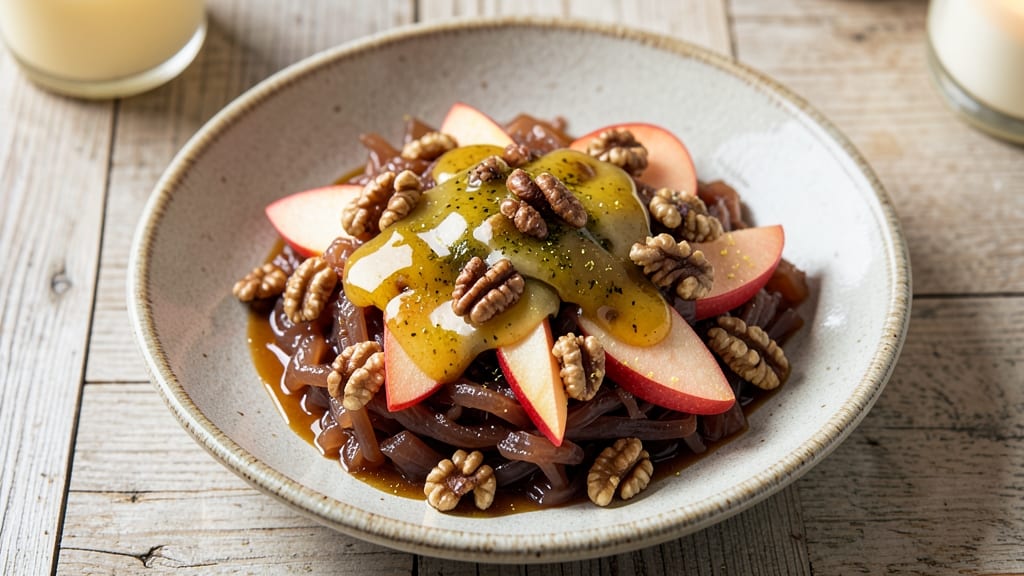
This cold sauerkraut salad recipe transforms tangy fermented crunch into a complete vegetarian dish that needs no mayo. The secret lies in balancing sauerkraut's bold flavor with sweet apples, crunchy nuts, and a bright vinaigrette that keeps every bite refreshing.
I developed this recipe after discovering how fermented vegetables could elevate simple salads into restaurant-quality meals.
The beauty of this salad is its versatility—it works as a hearty side dish or even a main course when paired with grains. The dressing, made with apple cider vinegar and Dijon mustard, cuts through the sauerkraut's acidity while enhancing its natural probiotic benefits.
You'll love how the textures play together: crisp apples, toasted nuts, and tender sauerkraut create satisfying bites in every mouthful.
What makes this recipe stand out is its ability to deliver probiotic benefits without sacrificing flavor. The fermented sauerkraut provides gut-friendly bacteria, while the sweet-tangy dressing balances the dish perfectly.
This salad keeps well in the refrigerator for up to five days, making it ideal for meal prep and packed lunches.
Perfect for summer picnics, potlucks, or weeknight dinners, this cold sauerkraut salad proves that fermented foods can be both nutritious and delicious. The combination of ingredients creates a dish that's as satisfying as it is healthy, with every component carefully chosen for maximum flavor and texture contrast.
Ingredients for cold sauerkraut salad
Fermented crunch meets sweet-tangy balance in this probiotic-packed vegetarian salad with zero mayo.
| Ingredient | Amount | Notes |
|---|---|---|
| Sauerkraut 🥬 | 2 ½ cups | Unpasteurized for probiotic benefits |
| Red Apples 🍎 | 1 ½ cups | Julienned, Honeycrisp variety preferred |
| Walnuts 🥜 | ½ cup | Toasted, roughly chopped |
| Apple Cider Vinegar 🍏 | ¼ cup | Raw, unfiltered preferred |
| Dijon Mustard 🌶️ | 1 tbsp | High-quality, smooth variety |
| Extra-Virgin Olive Oil 🫒 | ½ cup | Fruity, peppery variety |
| Honey 🍯 | 2 tbsp | Raw, local preferred |
| Fresh Dill 🌿 | ¼ cup | Chopped, stems removed |
| Celery Stalks 🧅 | 2 whole | Thinly sliced, for crunch |
| Sea Salt 🧂 | ½ tsp | Diamond Crystal preferred |
| Black Peppercorns 🌶️ | ¼ tsp | Freshly cracked |
| Lemon Juice 🍋 | 1 tbsp | Freshly squeezed |
The sauerkraut is non-negotiable for that signature tang and gut-friendly benefits. Look for unpasteurized varieties at specialty markets or well-stocked grocery stores like Whole Foods—the refrigerated section usually has the best selection. Honeycrisp apples hold their shape when julienned, but any crisp variety works. Toasting the walnuts in a dry pan for 3-4 minutes enhances their flavor dramatically—don't skip this step. For the dressing, raw apple cider vinegar adds depth compared to pasteurized versions, and Penzeys carries excellent Dijon mustard if you want to splurge.
No walnuts? Pecans or almonds work equally well—just toast them first. Substitute maple syrup for honey if needed, though the floral notes complement the sauerkraut beautifully. Short on dill? Fresh parsley at double the amount provides a similar bright finish. The celery adds subtle crunch and helps balance the sweetness—don't omit it entirely. For a smokier profile, add ½ teaspoon of smoked paprika to the dressing. If you prefer less tang, reduce the apple cider vinegar by 1 tablespoon and increase the honey slightly.
This salad keeps exceptionally well—5 days in the fridge with flavors actually improving as the components marry. Store components separately if prepping ahead: sauerkraut and apples in one container, dressing and nuts in another. Toss everything together just before serving to maintain crispness. The dressing can be made 3 days ahead and stored in a sealed jar. For meal prep, portion into individual containers with a small dressing container on the side—perfect for lunches that feel gourmet without effort.
Why You'll Love This Recipe
- No Chopping Nightmare: I swear, this salad takes three ingredients that need zero prep—just open the jar of sauerkraut, slice the apple (thin or thick, no judgment), and toss in walnuts straight from the bag. Honestly, I’ve made it while scrolling through emails.
- Tangy Crunch Magic: That first bite? The sharpness of the sauerkraut cuts through the sweet apples, while the Dijon and apple cider vinegar add a punchy, almost umami depth. The walnuts? They’re the perfect crunchy contrast—like a bite-sized flavor party.
- Lunchbox Legend: Between us, this is my go-to for packed lunches or potlucks. It keeps perfectly for days in the fridge (yes, even the apples stay crisp), and I’ve served it at everything from picnic blankets to holiday tables. No one ever leaves a bite.
- Pantry Staple Savior: I keep all these ingredients on hand—sauerkraut, apples, walnuts—because they’re cheap and last forever. This salad costs me pennies per serving, and I’ve used it to stretch meals for my kids’ school lunches or as a side when I’m too tired to cook. (Yes, even on a Tuesday night.)
Step-by-step instructions for cold sauerkraut salad
This vibrant, probiotic-rich salad delivers crisp texture and balanced flavors without mayo.
Prepare the Vegetable Base
Begin by thoroughly draining the 2.5 cups sauerkraut using a fine-mesh strainer or colander, pressing gently to remove excess liquid. This step is crucial—too much moisture will dilute your dressing. Transfer the drained sauerkraut to a large mixing bowl.
Next, julienne the 1.5 cups red apples (Honeycrisp preferred) into thin matchsticks—about ¼-inch wide—using a mandoline or sharp chef's knife. Thinly slice the 2 whole celery stalks on a diagonal for even distribution. Add both to the bowl with the sauerkraut. The acidity of the sauerkraut will help preserve the apples' crispness while preventing browning.
Toast the Walnuts and Prep Aromatics
In a dry skillet over medium heat, toast the 0.5 cup walnuts for 3-4 minutes, stirring constantly, until they release their nutty aroma and turn light golden brown. Immediately transfer to a cutting board and roughly chop them with a chef's knife. Set aside to cool slightly.
Finely chop the 0.25 cup fresh dill, removing stems first. In a small bowl, combine the chopped dill with the 0.25 tsp freshly cracked black peppercorns—this pre-mixing ensures even distribution throughout the salad. The peppercorns will add subtle heat that balances the tangy fermented flavors.
Whisk the Dressing Components
In a separate bowl, whisk together the 0.5 cup extra-virgin olive oil, 0.25 cup apple cider vinegar, 2 tbsp honey, 1 tbsp Dijon mustard, and 1 tbsp freshly squeezed lemon juice. The vinegar and lemon juice will create a bright acidity that cuts through the richness of the olive oil and honey.
Gradually whisk in the 0.5 tsp sea salt, tasting as you go. You want the dressing to be well-seasoned but not overly salty—remember, the sauerkraut is already briny. The Dijon mustard adds depth and helps emulsify the dressing, preventing separation. Set the dressing aside while you combine the salad base.
Assemble and Marinate the Salad
Add the toasted walnuts, chopped dill-peppercorn mixture, and the prepped apple-celery combination to the bowl with the sauerkraut. Gently fold everything together using a large spoon or spatula, being careful not to bruise the vegetables. The goal is to distribute the ingredients evenly while preserving their individual textures.
Pour the dressing over the salad in a slow, steady stream, tossing gently after each addition. Let the salad marinate at room temperature for 10-15 minutes—this allows the flavors to meld and the dressing to fully coat the ingredients. For best results, serve immediately, but it will keep well in the refrigerator for up to 3 days, though the texture may soften slightly over time.
Adjust and Serve
Taste the salad and adjust seasoning if needed. If the apples have absorbed too much moisture and the salad feels dry, add 1-2 teaspoons of water or a splash of the reserved sauerkraut liquid to restore balance. For extra brightness, sprinkle with additional chopped fresh dill or a drizzle of extra-virgin olive oil before serving.
This salad shines as a side dish for grilled meats, a topping for hearty sandwiches, or even as a standalone appetizer with crusty bread. The contrast of crisp vegetables, tangy sauerkraut, and sweet apples creates a harmonious balance that's both probiotic and refreshing—perfect for any occasion where you want bold flavor without heavy dressing.
Pro Tips For Making Cold Sauerkraut Salad
- DRAIN AND RINSE SAUERKRAUT: Skip if you want tangy depth, but rinse only if your kraut tastes too sour—just a quick 10-second swish under cold water. I learned this the hard way: over-rinsing leaches out flavor, and you’ll end up with mushy, bland cabbage. Pat it dry afterward with a clean towel to keep the salad from getting soggy.
- TOSS APPLES IN VINEGAR: Toss shredded apples with a splash of apple cider vinegar and let sit 5 minutes before mixing—it softens them slightly and mellows the sharpness. My grandmother swore by this, and she was right: the texture becomes more uniform, and the flavor balances better with the mustard.
- TOAST WALNUTS LOW AND SLOW: Use the stovetop on medium-low heat, stirring constantly for 3-4 minutes, until they’re golden but not burnt. I was skeptical until I tried it: high heat makes them bitter, and skipping the toasting leaves them raw and mealy. A pinch of salt while they toast makes a real difference.
- MIX DRESSING LAST MINUTE: Whisk the vinegar, mustard, and a little oil together right before adding to the kraut—this keeps the dressing from making the cabbage limp. I skip this when I’m lazy, but the dish is noticeably better when I don’t: the crunch stays crisp, and the flavors pop instead of blending into mush.
Flavor customization for cold sauerkraut salad
Sweet-Tart Balance
Adjust the sweetness to tang ratio by swapping apples—try Fuji apples for milder sweetness or Granny Smith for sharper acidity. For extra tartness, add 1 tbsp cranberry sauce to the dressing.
I love using pear slices instead of apples for a more delicate flavor profile that pairs beautifully with the sauerkraut's boldness. 🍏
Herb Variations
Swap dill for fresh chives or tarragon for a more anise-like flavor. For a Mediterranean twist, add ¼ cup chopped mint and 1 tbsp capers to the dressing.
I find that flat-leaf parsley works well when you want a milder herb presence. Always toast your herbs lightly in the dressing for enhanced aroma.
Crunchy Add-Ins
Boost texture with ¼ cup sunflower seeds or pumpkin seeds for a nut-free option. For extra crunch, add ½ cup thinly sliced radishes or ¼ cup crispy fried shallots. I like using toasted pepitas for a lighter, earthier crunch that complements the walnuts perfectly. 🥜
Dressing Twists
For a creamy option, stir 2 tbsp vegan yogurt into the dressing. A smoky profile works well with ½ tsp smoked paprika or 1 tsp liquid smoke.
For a spicy kick, add ½ tsp hot sauce or 1 tsp sriracha. I recommend keeping the dressing simple for the best balance of flavors.
Global Flavors
Give it a German twist by adding ¼ cup chopped red onion and 1 tsp caraway seeds. For an Asian-inspired version, swap the walnuts for toasted sesame seeds and add 1 tsp rice vinegar to the dressing.
A Middle Eastern variation includes ¼ cup chopped cucumber and 1 tbsp tahini in the dressing. 🌍
Seasonal Swaps
In summer, add diced cucumber and cherry tomatoes for freshness. For fall, incorporate roasted butternut squash cubes and pecans. Winter calls for dried cranberries and orange zest in the dressing. Spring works well with asparagus tips and peas** for a lighter texture.
Nutrition facts
Frequently asked questions
Can I use store-bought sauerkraut for this recipe?
Yes, but choose unpasteurized sauerkraut for maximum probiotic benefits. The refrigerated section at specialty stores often has the best options. If you must use pasteurized, look for brands labeled "raw" or "live cultures" to preserve some of the fermented goodness.
How can I make this salad nut-free?
Swap walnuts for ¼ cup toasted sunflower seeds or pumpkin seeds—both add crunch without nuts. For extra protein, stir in ½ cup cooked quinoa or chickpeas after tossing. The seeds will need slightly more toasting time (5-6 minutes) to achieve similar texture.
What's the best way to store leftovers?
Keep components separate in airtight containers for up to 5 days: sauerkraut/apples in one, dressing/nuts in another. Toss just before serving to maintain crispness. The dressing alone lasts 3 days in the fridge—shake well before using. For longer storage, freeze the dressing in ice cube trays for easy portioning.
Can I make this salad ahead of time?
Prep all ingredients 1 day ahead and store separately. The apples will brown slightly—toss with 1 tsp lemon juice to preserve color. Assemble the salad 4-6 hours before serving to let flavors meld. For meal prep, portion into jars with dressing on the side to keep components fresh.
Why does my salad taste too tangy?
The sauerkraut's acidity is likely overpowering. Balance it by adding 1 extra tbsp honey or ½ cup diced sweet apple (like Fuji). For a smoother taste, thin the dressing with 1-2 tsp water or reserved sauerkraut liquid. Remember, the apples help neutralize the tang—don't skip them!