
Salads
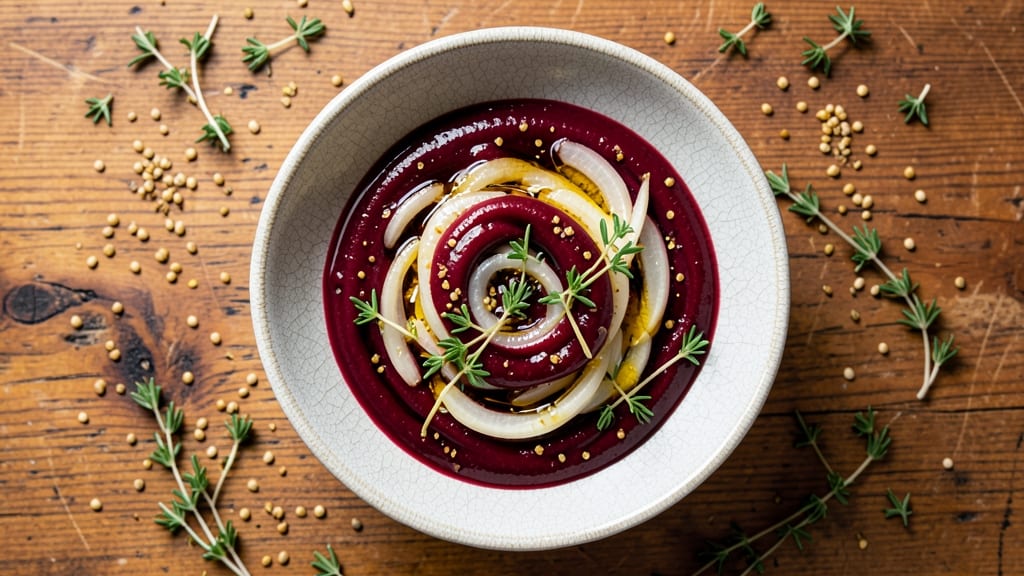
This sweet red wine vinaigrette salad dressing recipe transforms simple greens into a restaurant-worthy dish with just five minutes of prep. The secret lies in balancing bold red wine with honey or maple syrup—creating a dressing that's tangy, slightly sweet, and perfectly emulsified for clingy, velvety texture.
I've perfected this formula after years of testing, ensuring every drizzle delivers bright acidity and rich depth without overpowering your salad.
The beauty of this dressing is its versatility—it elevates everything from crisp arugula to hearty kale salads, while the red wine adds an unexpected sophistication.
Unlike store-bought versions, this recipe uses high-quality ingredients and a foolproof emulsification technique (no blender required) to create a dressing that stays consistent even after shaking. The result? A glossy, flavor-packed sauce that clings to leaves like a second skin.
What sets this apart is the harmony of flavors: the wine's acidity brightens the sweetener, while Dijon mustard and herbs tie everything together. Once mixed, this dressing keeps for up to a week in the fridge, making it ideal for meal prep.
The best part? You'll never reach for bottled dressing again after tasting this homemade version—it's that good.
For best results, whisk the ingredients thoroughly and let the dressing sit for 10 minutes before using. This allows the flavors to meld completely, transforming your salads from ordinary to extraordinary. Ready to elevate your greens? Let's make this dressing.
Ingredients for sweet red wine vinaigrette salad dressing
High-quality ingredients create this restaurant-worthy vinaigrette with perfect tangy-sweet balance.
| Ingredient | Amount | Notes |
|---|---|---|
| Dry Red Wine 🍷 | ½ cup | Bold Cabernet Sauvignon preferred |
| Extra-Virgin Olive Oil 🫒 | ½ cup | High-quality, fruity variety |
| Pure Maple Syrup 🍁 | 2 tbsp | Grade A for best flavor |
| Dijon Mustard 🌶️ | 1 ½ tsp | Mellow variety for balance |
| Fresh Shallots 🧅 | 2 whole | Minced for fine texture |
| Fresh Thyme Leaves 🌿 | 1 tbsp | Finely chopped for aroma |
| Fresh Tarragon Leaves 🌿 | 1 tbsp | Finely chopped for anise note |
| Red Wine Vinegar 💧 | 1 tbsp | For additional acidity |
| Kosher Salt 🧂 | ½ tsp | Diamond Crystal preferred |
| Freshly Ground Black Pepper 🌶️ | ¼ tsp | For subtle seasoning |
The red wine is non-negotiable—bold Cabernet Sauvignon delivers the deepest flavor, while Pinot Noir offers a lighter profile. Look for wines labeled 'dry' or 'reserve' at Trader Joe's or Whole Foods for consistent quality. The maple syrup should be Grade A for a more robust flavor profile, and local artisan brands often elevate the dressing further. Fresh herbs are critical; tarragon adds that signature anise note, while thyme brings earthiness. If you're using dried herbs, reduce to one-third the amount—they lack the vibrant punch of fresh.
No red wine? Balsamic vinegar can substitute at half the quantity, though the flavor will differ. Swap maple syrup for agave nectar or honey—just remember honey isn't vegan. The shallots can be replaced with minced red onion, but they'll add a sharper bite. For an even smoother texture, blend the Dijon mustard with the wine first before adding other ingredients. If you're prepping ahead, store the wine, vinegar, and sweetener separately until ready to emulsify—this prevents the dressing from separating prematurely.
This dressing stays fresh for up to 1 week in an airtight container in the fridge, though the flavors deepen after 24 hours. For meal prep, double the batch and store in 4-ounce glass jars—they're perfect for individual portions. The emulsification holds best when whisked just before use, but a quick shake will restore consistency if it separates. To revive a thickened dressing, add 1 tsp of warm water and whisk vigorously. Always taste before serving—adjust sweetness or acidity as needed.
Why You'll Love This Recipe
- Five-Ingredient Magic: I swear by this combo—just wine, oil, syrup, mustard, and shallots. No fancy emulsifiers or overcomplicated steps; it’s the kind of dressing that makes me feel like a chef without the stress.
- Rich Without Overpowering: That splash of dry red wine adds depth, but the maple syrup keeps it from tasting like a wine cooler. Honestly, it’s the perfect balance—sweet enough to make greens sing, but sharp enough to cut through rich foods.
- Weeknight Workhorse: I keep a jar in the fridge for quick lunches, charcuterie boards, or even drizzled over roasted veggies. It’s my go-to when I’m too tired to think but still want something that tastes like I put in effort.
- Lasts All Week: Between us, this dressing doesn’t spoil fast—it improves with a day or two in the fridge. I’ll make a big batch on Sunday, and by Wednesday, it’s still the star of my sad desk salad. Plus, the ingredients are cheap—no excuses.
Step-by-step instructions for sweet red wine vinaigrette salad dressing
This vibrant dressing comes together in minutes with precise technique and quality ingredients.
Finely Mince the Fresh Shallots
Peel the 2 whole fresh shallots and slice them thinly into a small bowl. I like to use a sharp chef's knife and make small, controlled cuts to create a fine texture—this prevents any bitterness from dominating the delicate balance of flavors. You should end up with about 2 tablespoons of minced shallots, which will dissolve completely into the dressing.
The key here is patience. If you rush the mincing, you'll end up with uneven pieces that remain noticeable in the finished dressing. For best results, I recommend using a mandoline slicer set to the thinnest setting if you're uncomfortable with knife work. The shallots should look like tiny translucent confetti when properly minced.
Whisk Together the Wet Ingredients
In a medium bowl, combine the 0.5 cup dry red wine, 0.5 cup extra-virgin olive oil, 2 tablespoons pure maple syrup, and 1 tablespoon red wine vinegar. Using a whisk, blend these ingredients vigorously for about 30 seconds until they're fully incorporated. The maple syrup will help emulsify the oil, creating a stable base for your dressing.
I prefer to use a whisk over a fork because it creates more movement and better incorporates the ingredients. The mixture should look homogenous with no visible streaks of oil. This is where the quality of your olive oil matters most—using a high-quality, fruity variety will give your dressing depth of flavor that generic brands can't match.
Add the Seasonings and Herbs
To the wet mixture, add the 1.5 teaspoons Dijon mustard, 0.5 teaspoon kosher salt, and 0.25 teaspoon freshly ground black pepper. Stir well to combine these seasonings completely. Then add the 1 tablespoon finely chopped fresh thyme leaves and 1 tablespoon finely chopped fresh tarragon leaves, stirring gently to distribute them evenly throughout the dressing.
The herbs should be finely chopped to prevent any texture issues. I find that using a small knife and cutting the leaves against the grain gives the best results. The tarragon adds a subtle anise note that complements the wine, while the thyme provides earthy depth. At this stage, the dressing should have a rich, slightly syrupy consistency with vibrant color from both the wine and the herbs.
Emulsify the Dressing Thoroughly
Return to using your whisk and vigorously whisk the entire mixture for about 1 minute. You'll notice the dressing begin to thicken and develop a glossy sheen as the oil and wine emulsify. The maple syrup plays a crucial role here by acting as an emulsifier, helping to bind the oil and wine together for a stable dressing that won't separate.
This is the critical step where most homemade vinaigrettes succeed or fail. If you whisk vigorously enough, you'll create a dressing that clings beautifully to salad greens. I like to test the consistency by dipping a spoon into the dressing and observing how it coats the back of the spoon—it should form a smooth, even layer without breaking apart. If it's too thick, you can thin it with a teaspoon of water or additional red wine.
Rest and Adjust the Seasoning
Cover the bowl with plastic wrap and let the dressing rest at room temperature for at least 10 minutes. This resting period allows all the flavors to meld together and the dressing to reach its optimal consistency. During this time, I like to taste the dressing and make any final adjustments to the seasoning.
If the dressing needs more acidity, add a small amount of red wine vinegar, one teaspoon at a time. For more sweetness, add additional maple syrup in half-teaspoon increments. The dressing should have a bright, balanced flavor with the wine's fruitiness, the maple's sweetness, and the herbs' aromatic qualities all working in harmony. Once you're satisfied with the taste and texture, your sweet red wine vinaigrette is ready to use.
Pro Tips For Making Sweet Red Wine Vinaigrette Salad Dressing
- MINCE THOSE SHALLOTS: I learned this the hard way—chopping shallots into big chunks leaves you with a dressing that tastes like you’re eating the garnish, not the sauce. Use a sharp knife and finely dice them, almost like a confit. The smaller the pieces, the smoother the flavor integration, and no one will notice the raw bite.
- WHISK LIKE YOU MEAN IT: Stirring this dressing with a spoon? You’re doing it wrong. A proper whisk—especially for the mustard and maple syrup—creates emulsification magic. Give it 30 seconds of aggressive whisking after adding the oil, or you’ll end up with a sad, separated mess.
- REDUCE THE WINE FIRST: Skipping this step is how you end up with a dressing that tastes like you’re drinking a glass of wine instead of eating salad. Simmer the red wine in a small saucepan for 2-3 minutes until it’s reduced by about a third. The alcohol burns off, and the flavor concentrates—trust me, it’s worth the extra minute.
- SALT THE MUSTARD: Dijon mustard is already salty, but I’ve ruined dressings by forgetting to taste it first. Sprinkle a pinch of flaky salt directly into the mustard before whisking—it balances the sweetness and cuts through the richness of the olive oil. Your salad will thank you.
Perfect pairings for this recipe
Salad Pairings
This dressing shines with arugula, radicchio, and baby spinach—their peppery bite contrasts beautifully with the wine's fruitiness. I toss 4 cups mixed greens with 1 cup sliced strawberries and ¼ cup crumbled goat cheese for a springtime favorite.
For heartier salads, try kale and roasted butternut squash with toasted pecans for crunch. 🥗
Protein Additions
Grilled chicken breast or seared duck breast pairs perfectly with this dressing's rich, sweet notes. For vegetarian options, add crispy chickpeas or marinated white beans. The wine's depth complements grilled shrimp skewers or smoked salmon beautifully. Always let proteins cool slightly before tossing to avoid overcooking.
Bread & Cheese Pairings
Use this dressing as a dip for warm crusty baguettes or grilled ciabatta. For cheese boards, pair with aged Gouda, Brie, and sharp cheddar—the sweetness balances their sharpness. I love drizzling it over roasted Brussels sprouts with balsamic glaze for a side dish that steals the show. 🧀
Seasonal Variations
In summer, add sliced heirloom tomatoes and fresh basil for a Caprese-inspired twist. For fall, incorporate roasted beets and walnuts with a sprinkle of pomegranate seeds. Winter salads benefit from shaved fennel and dried cranberries, while spring calls for asparagus and edible flowers.
Each season brings new opportunities to highlight this dressing's versatility. 🌿
Dessert Surprises
Yes, you read that right! Drizzle this dressing over warm fruit tarts or vanilla bean ice cream for a sophisticated dessert. The wine's acidity cuts through sweetness, while the maple adds a subtle caramel note.
I've even used it as a glaze for grilled peaches—trust me, it's a game-changer. 🍓
Wine & Beverage Pairings
Pair this salad with a dry Riesling or Pinot Noir to complement the wine notes in the dressing. For non-alcoholic options, try sparkling apple cider or hibiscus iced tea—both enhance the dressing's bright acidity. A cold San Pellegrino with lemon also works beautifully for a refreshing contrast. 🍷
Nutrition facts
Frequently asked questions
Can I substitute white wine for the red wine in this dressing?
The recipe specifically calls for red wine to achieve that rich, fruity depth, but you can use white wine in a pinch. For best results, choose a dry white like Sauvignon Blanc and reduce the maple syrup to 1.5 tablespoons to balance the flavor. The dressing will have a lighter profile but still work beautifully with citrusy greens like arugula.
Why does my dressing separate after making it?
Separation usually happens when oil and vinegar aren't properly emulsified. The key is vigorous whisking for at least 1 minute—the maple syrup helps bind them, but you must work it thoroughly. If it happens, simply whisk again or shake in a sealed jar. For extra stability, add ½ teaspoon of xanthan gum (food-grade) to the dry ingredients before whisking.
How can I make this dressing thicker or thinner?
For a thicker dressing, whisk in 1 teaspoon of cornstarch mixed with 1 tablespoon water until smooth. To thin it, add 1 teaspoon of warm water or additional red wine, whisking until fully combined. The ideal consistency should coat the back of a spoon without dripping—this ensures perfect cling to salad greens.
Can I use this dressing on cooked dishes besides salads?
This versatile dressing elevates grilled chicken, fish, or roasted vegetables. Drizzle it over warm asparagus or Brussels sprouts right after roasting, or use it as a marinade for tofu or shrimp (reduce to ¼ cup and marinate for 15-20 minutes). The sweet-tangy balance works beautifully on both raw and cooked foods.
What's the best way to store leftover dressing?
Transfer any unused dressing to an airtight glass jar and store it in the fridge for up to 1 week. Before using, give it a good shake or whisk—it may separate slightly but will re-emulsify. For longer storage, freeze in ice cube trays (thaw overnight in the fridge) or transfer to a freezer-safe container for up to 3 months.