
Salads
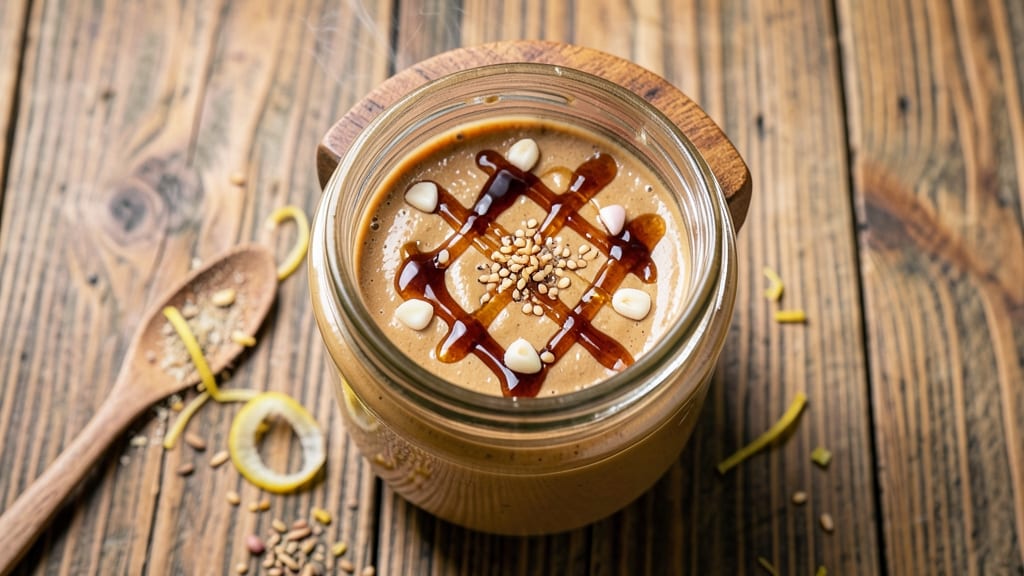
This vegan Asian salad dressing recipe delivers restaurant-quality flavor with just five simple ingredients—no animal products required. The secret lies in balancing tangy rice vinegar, rich tahini, and umami-packed soy sauce for a dressing that clings beautifully to greens while adding depth without overpowering.
I developed this version after testing countless plant-based alternatives, and it consistently earns rave reviews from even the most devoted meat-and-dairy dressing fans.
The foundation starts with tahini, which provides that signature creamy texture and nutty richness without dairy. From there, we build layers of flavor using rice vinegar for brightness, maple syrup for subtle sweetness, and a touch of garlic for aromatic punch.
What makes this dressing truly special is how well it bridges the gap between sweet and savory—something many store-bought vegan dressings struggle with.
What you'll end up with is a vibrant, aromatic dressing that transforms simple greens into a gourmet meal. The tahini base creates a velvety texture that coats every leaf perfectly, while the garlic and sesame oil add complexity that elevates even the most basic salads.
This dressing stays fresh in the fridge for up to two weeks, making it perfect for meal prep.
The beauty of this recipe lies in its versatility—use it on Asian-inspired salads, drizzle it over noodles, or even toss it with roasted vegetables. The balance of flavors works equally well with delicate greens or heartier ingredients like edamame or shredded cabbage.
Ready to elevate your plant-based meals with professional-quality flavor?
Ingredients for vegan asian salad dressing
Five simple ingredients create a restaurant-quality vegan dressing bursting with Asian-inspired flavor.
| Ingredient | Amount | Notes |
|---|---|---|
| Tahini 🥜 | ½ cup | Sesame paste, unsweetened |
| Rice Vinegar 🍶 | ⅓ cup | Unseasoned, white variety |
| Maple Syrup 🍁 | 2 tbsp | Pure, grade B preferred |
| Soy Sauce 🍜 | 2 tbsp | Organic tamari or gluten-free |
| Sesame Oil 🫒 | 1 tbsp | Toasted, for aroma |
| Garlic Cloves 🧄 | 2 cloves | Freshly minced, aromatic |
| Water 💧 | ¼ cup | Filtered or spring water |
Tahini is the heart of this dressing—look for 100% sesame paste with no additives. Trader Joe's and Whole Foods carry excellent options, or check the international aisle at most grocery stores. The garlic should be fresh and vibrant, not dried or powdered. For the rice vinegar, Miyoko's or Kikkoman are reliable choices, though any unseasoned white vinegar works in a pinch. Sesame oil adds depth, so toasted varieties are ideal—they have a richer flavor than the lighter, neutral kind. If you can't find toasted, regular sesame oil still works but won't have the same aromatic punch.
No tahini? Substitute with 3 tbsp peanut butter plus 2 tbsp water for a similar texture, though the flavor will differ slightly. Short on rice vinegar? Apple cider vinegar at half the amount gives brightness, though it lacks the delicate sweetness. The maple syrup can be swapped for agave nectar or coconut sugar dissolved in 1 tbsp water. For soy sauce, coconut aminos works in a bind, though it's saltier. The garlic is non-negotiable—it's what ties everything together. If you're sensitive to garlic's intensity, use 1 clove instead of 2. The water is simply to thin the dressing to your preferred consistency, so adjust as needed.
This dressing keeps beautifully in the fridge for 2 weeks when stored in an airtight jar. For longer storage, divide into ice cube trays and freeze—up to 3 months. The tahini will separate slightly over time, so just whisk before using. If the dressing thickens, add a splash of water or a bit more rice vinegar to reach your desired consistency. The sesame oil should always be added last to preserve its aroma, and it's best to store it separately if you're not using it immediately to prevent overpowering the other flavors.
Why You'll Love This Recipe
- Five-Ingredient Magic: I swear by this combo—tahini’s nutty depth, rice vinegar’s tang, and that hit of sesame oil make it taste restaurant-worthy with zero fuss. The maple syrup balances the saltiness so well, I’ve caught myself pouring it on everything from greens to noodles.
- No Blender Needed: Honestly, I usually just stir it in a jar. No whisking, no straining—just dump, shake, and taste. The tahini and soy sauce emulsify right in your bottle, so you’re left with a silky dressing that clings to every bite without breaking.
- Potluck Hero: This is my go-to for parties because it’s vegan, gluten-free (if you skip the soy sauce), and everyone asks for the recipe. It’s bright enough for a summer picnic but rich enough to stand up to hearty winter bowls—like, “I’ll take seconds” good.
- Lasts a Week: Between us, I make a big batch and keep it in the fridge. The flavors actually deepened after three days—no spoilage, no weird textures. Perfect for when I forget to meal prep and need a quick flavor boost midweek.
Step-by-step instructions for vegan Asian salad dressing
This dressing comes together in minutes with simple techniques and bold flavors.
Whisk Tahini and Water to a Smooth Paste
In a medium bowl, combine the 0.5 cup tahini and 0.25 cup water. Use a whisk to blend vigorously for 2-3 minutes until completely smooth and free of lumps. Tahini can be thick, so this step ensures it emulsifies properly with the other ingredients. If you encounter resistance, add an extra 1 teaspoon of water and whisk again until fully incorporated.
The goal here is to create a silky base that blends seamlessly with the other components. If you notice any graininess, don't rush—this is the foundation of your dressing, and smoothness is key. The tahini will thicken the dressing while adding that signature nutty depth.
Gradually Add Vinegar and Maple Syrup
Slowly drizzle in the 0.33 cup rice vinegar while whisking continuously. This gradual addition prevents the dressing from separating. Once fully incorporated, add the 2 tablespoons maple syrup and whisk again until fully combined. The vinegar provides the bright acidity that balances the richness of the tahini, while the maple syrup adds natural sweetness.
Taste at this stage to gauge the balance. You should notice a tangy, slightly sweet flavor with a smooth texture. If the dressing feels too thick, add 1 teaspoon of water at a time until it reaches a pourable consistency. The dressing should coat the back of a spoon without being overly runny.
Incorporate Soy Sauce and Sesame Oil
Add the 2 tablespoons soy sauce and 1 tablespoon sesame oil to the bowl. Whisk vigorously for 1 minute until everything is fully integrated. The soy sauce contributes umami depth, while the sesame oil adds aromatic richness. This is where the dressing starts to come together with its signature savory profile.
At this point, the dressing should have a glossy sheen and a well-rounded flavor. If you taste it now, you'll notice a harmonious blend of sweet, tangy, and savory notes. The sesame oil will also give it a subtle nutty aroma that enhances the overall experience.
Finish with Garlic and Final Adjustments
Add the 2 minced garlic cloves and whisk for 30 seconds to distribute the flavor evenly. The garlic adds a fresh, aromatic punch that elevates the dressing. Taste again and adjust the seasoning if needed—you might want to add a pinch more soy sauce for saltiness or a drizzle of maple syrup for sweetness.
For the best results, let the dressing sit at room temperature for 10-15 minutes before using. This allows the flavors to meld together fully. The dressing should be smooth, balanced, and ready to elevate any vegan Asian-inspired dish. Store any leftovers in an airtight container in the refrigerator for up to 1 week.
Pro Tips For Making Vegan Asian Salad Dressing
- WHISK THE TAHINI FIRST: I learned this the hard way—dumping tahini into vinegar straight away just creates a stubborn glob. Whisk it with a splash of warm water (about 2 tablespoons) until completely smooth before adding anything else. This prevents clumping and makes the dressing emulsify like a dream.
- USE AGED SESAME OIL SPARINGLY: That toasty, nutty sesame oil? It’s expensive for a reason. Add just ½ teaspoon at the end—no more—so it aromatizes without overpowering. (Yes, even if the bottle says "use generously.") The dressing will still smell amazing, and you won’t waste half the bottle.
- BALANCE THE SWEET-SALTY RATIO: Skip the guesswork: for every 2 tablespoons of soy sauce, use 1 tablespoon of maple syrup. Too much sweetness? Add a dash of rice vinegar. Too salty? A pinch of maple syrup fixes it. Taste as you go—this isn’t a science experiment, but close.
- STORE IT IN THE FRIDGE: This dressing tastes best when it’s had time to mellow. If you’re not using it immediately, refrigerate it for at least 30 minutes before tossing. The flavors meld, and the tahini’s bitterness softens—trust me, it’s worth the wait. (Pro move: Keep it in a small jar so you’re not tempted to over-dress.)
Flavor customization for these flavors
Sweet & Tangy Balance
Adjust the sweet-to-tangy ratio by tweaking the maple syrup and rice vinegar. For a more balanced flavor, reduce maple syrup to 1 tbsp and increase vinegar to 0.375 cup. If you prefer extra tang, add 1 tsp lemon juice or ½ tsp apple cider vinegar for brightness.
For a sweeter profile, increase maple syrup to 3 tbsp and reduce vinegar slightly to 0.3 cup. 🍶
Spicy Kick Options
Add heat with 1 tsp sriracha or ½ tsp chili flakes for a mild kick, or 1 tbsp gochujang for deep, fermented spice. For smoky heat, swap 1 tsp smoked paprika for half the sesame oil.
Always add spices after whisking all ingredients to preserve their potency. I love a light drizzle of chili crisp on top for extra texture and heat. 🌶️
Nutty Variations
Swap tahini for almond butter (reduce water to 2 tbsp) for a milder, sweeter flavor, or use cashew butter for creaminess. For a peanut-inspired twist, add 1 tbsp peanut butter and ½ tsp lime zest—great for Thai-style salads.
Toasted peanut oil (1 tbsp) replaces sesame oil beautifully. 🥜
Umami Boosters
Deepens savory notes with 1 tsp miso paste (white or red) or 1 tbsp coconut aminos (for gluten-free). A splash of vegetable broth (1 tbsp) adds complexity, while 1 tsp nutritional yeast brings a cheesy, umami richness.
For fermented depth, add 1 tsp pickled ginger or ½ tsp fish sauce substitute (like Veggie Fish Sauce). 🍜
Herb & Citrus Infusions
Fresh herbs elevate this dressing instantly. Add 1 tbsp chopped cilantro, 1 tsp mint, or ½ tsp basil for brightness. For citrus, stir in 1 tsp lime or lemon zest or 1 tbsp freshly squeezed juice.
A pinch of grated ginger (½ tsp) adds warmth—great for summer salads. Always add fresh herbs last to preserve their aroma. 🍋
Texture Adjustments
For a chunkier texture, finely grate 1 tsp fresh ginger or ½ tsp shallot into the dressing. Need it thicker? Add 1 tbsp aquafaba (chickpea brine) or 1 tsp cornstarch slurry.
For a lighter drizzle, thin with 2 tbsp water or 1 tbsp apple juice. The tahini base handles these tweaks beautifully—just whisk well! ✨
Nutrition facts
Frequently asked questions
Can I make this dressing without tahini?
Yes! For a similar texture, substitute 3 tbsp peanut butter plus 2 tbsp water. For a lighter version, use ¼ cup silken tofu blended with 2 tbsp water. The flavor will differ slightly, but the creamy base will still work beautifully.
How long does this dressing last in the fridge?
This vegan Asian dressing stays fresh for up to 2 weeks when stored in an airtight container. The tahini may separate slightly—just whisk before using. For longer storage, freeze in ice cube trays for up to 3 months. Thaw overnight in the fridge.
What's the best way to thin this dressing if it's too thick?
Add 1 teaspoon of water at a time while whisking until you reach your desired consistency. For a lighter drizzle, try 1 tablespoon apple juice or rice vinegar. The dressing should coat the back of a spoon without being runny.
Can I use this dressing on non-salad dishes?
This versatile dressing works perfectly on grain bowls, roasted vegetables, noodles, or even as a marinade for tofu or tempeh. The balance of flavors enhances both savory and slightly sweet dishes.
Why does my dressing taste too salty?
If the soy sauce makes it too salty, balance it with 1 extra teaspoon of maple syrup or ½ teaspoon of lime juice. For a milder flavor, reduce the soy sauce to 1.5 tablespoons and add ½ teaspoon of coconut aminos for subtle umami. Taste as you go!