Salads
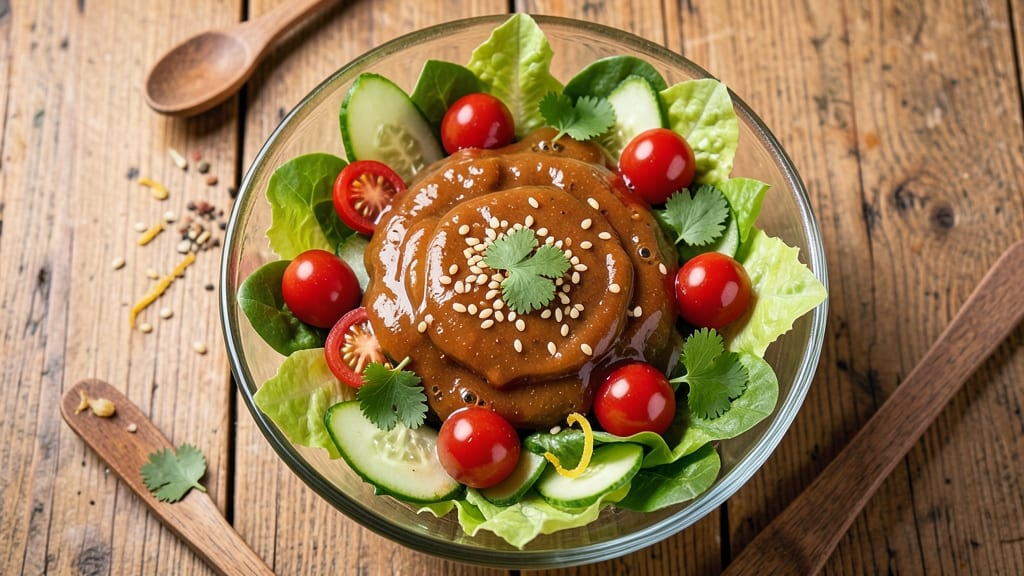
This coconut aminos salad dressing recipe transforms simple greens into a flavor explosion with just six ingredients and 10 minutes of prep time. The umami depth from coconut aminos replaces soy sauce while keeping it vegan, gluten-free, and packed with savory richness.
I developed this after realizing store-bought dressings lacked the bold, balanced profile I craved for my salads and marinades.
The secret lies in balancing coconut aminos with apple cider vinegar for tang, olive oil for creaminess, and a touch of maple syrup to round out the flavors. Fresh garlic and ginger add aromatic layers that elevate even the most basic greens.
Unlike store-bought versions, this dressing stays fresh for up to 1 week in the fridge, making it perfect for meal prep.
What sets this apart is its versatility—drizzle it over kale salads, use it as a marinade for grilled chicken, or toss it with roasted vegetables. The dressing clings beautifully to ingredients without overpowering them, creating a perfect harmony of sweet, salty, and tangy notes in every bite.
Ready in minutes, it’s the kind of condiment that transforms ordinary meals into extraordinary ones.
For extra depth, add a pinch of red pepper flakes or smoked paprika. Store it in an airtight jar in the refrigerator, and shake before each use to maintain its vibrant texture. This isn’t just dressing—it’s a flavor multiplier that turns simple ingredients into something truly special.
Ingredients for coconut aminos salad dressing
Six ingredients, bold umami, and zero compromises on flavor or dietary needs.
| Ingredient | Amount | Notes |
|---|---|---|
| Coconut Aminos 🍶 | ½ cup | High-quality, unsweetened preferred |
| Extra-Virgin Olive Oil 🫒 | ⅓ cup | Light or fruity variety for balance |
| Apple Cider Vinegar 🍎 | ¼ cup | Raw, unfiltered for depth |
| Pure Maple Syrup 🍁 | 2 tbsp | Grade B for robust flavor |
| Fresh Garlic Cloves 🧄 | 2 cloves | Minced, for aromatic depth |
| Fresh Ginger Root 🌿 | 1 tbsp | Grated, for zesty brightness |
| Red Pepper Flakes 🌶️ | ½ tsp | Optional, for subtle heat |
| Smoked Paprika 🌶️ | ¼ tsp | For smoky complexity |
Coconut aminos is the star here—look for brands like Coconut Secret or Tyrells for the purest umami without artificial additives. The apple cider vinegar should be raw and unfiltered (like Bragg) for that tangy depth that balances the sweetness. Extra-virgin olive oil makes all the difference; California Olive Ranch or Colavita deliver consistent quality. Fresh garlic and ginger are non-negotiable for authentic flavor—organic varieties from the produce section will have the most punch. If you're using pre-minced garlic, drain it well to avoid watering down your dressing.
No coconut aminos? Soy sauce or tamari works in a pinch (though it won't be gluten-free), but the flavor profile shifts slightly. Substitute maple syrup with agave nectar or date syrup for a similar viscosity. For extra richness without dairy, add 1 tbsp tahini—it blends seamlessly. The red pepper flakes and smoked paprika are optional but elevate the dressing to restaurant-quality; Penzeys Spices carries excellent varieties. If you're sensitive to heat, start with just the smoked paprika. Store-bought minced garlic? Toast it first in a dry pan to deepen its flavor before adding to the dressing.
This dressing stays vibrant for up to 1 week in an airtight jar in the fridge, but the first 3 days are peak freshness. For longer storage, transfer to a sterilized glass bottle and keep it in the back of your fridge where it's coolest. Shake vigorously before each use—ingredients naturally separate. Portion into small jars if you want to use it as a marinade (like for tofu or grilled veggies) to avoid over-salting your protein. The dressing doubles as a dipping sauce for spring rolls or a glaze for roasted vegetables—its versatility makes it a pantry essential.
Why You'll Love This Recipe
- Five-Ingredient Magic: I swear by this combo—just whisk coconut aminos, olive oil, vinegar, maple syrup, and garlic. No fancy techniques, no measuring cups cluttering my counter. Honestly, I’ve made it while waiting for water to boil.
- Umami Bomb: That garlic-infused coconut aminos base? It’s the secret weapon. Sweet from the maple, tangy from the vinegar, and deep from the aminos—like a savory hug for every bite. (Yes, even on a Tuesday night.)
- Dresses Everything: Toss it on greens for a quick lunch, drizzle it over grilled fish, or use it as a marinade. The balance of sweet, salty, and acidic works in salads, bowls, or even as a dip. I’ve even used it to glaze roasted veggies—no regrets.
- Leftovers That Don’t Suck: Unlike dressings that separate or turn rancid, this one stays fresh for days in the fridge. I double the batch every Sunday because it’s cheaper than buying store-bought and way more flavorful. Plus, no weird aftertaste.
Step-by-step instructions for coconut aminos salad dressing
This umami-rich dressing comes together in minutes with precise technique for balanced flavor.
Prepare the Aromatic Base
In a small saucepan over medium-low heat, combine the 0.33 cup extra-virgin olive oil, 2 cloves minced fresh garlic cloves, and 1 tablespoon grated fresh ginger root. Let the mixture infuse for 2-3 minutes until the garlic becomes fragrant but doesn't brown—this prevents bitterness while building aromatic depth.
Here's the thing—you want the garlic to perfume the oil without coloring it. If it starts to take on a golden hue, immediately reduce the heat. The subtle floral notes from the ginger will complement the coconut aminos beautifully, creating a complex foundation for your dressing.
Combine Wet Ingredients
Remove the saucepan from heat and let it cool slightly for 1 minute. Then whisk in the 0.5 cup coconut aminos, 0.25 cup apple cider vinegar, and 2 tablespoons pure maple syrup. The coconut aminos should dissolve completely into the oil mixture, creating a smooth, syrupy consistency.
This is where the magic happens—each ingredient plays a crucial role. The coconut aminos provide that signature umami punch, the apple cider vinegar adds bright acidity to cut through richness, and the maple syrup rounds out the flavors with natural sweetness. Whisk vigorously for 30 seconds to ensure everything is fully incorporated.
Season and Adjust
Return the saucepan to low heat and add the 0.5 teaspoon red pepper flakes and 0.25 teaspoon smoked paprika. Let the mixture simmer gently for 1-2 minutes to allow the spices to bloom and infuse their flavors. The red pepper flakes will introduce subtle heat, while the smoked paprika adds a deep, earthy complexity that pairs perfectly with the umami.
Taste the dressing at this stage—it should be balanced with a harmonious blend of sweet, salty, tangy, and slightly spicy notes. If you find it needs more acidity, add 1 teaspoon apple cider vinegar at a time. For additional sweetness, incorporate ½ teaspoon maple syrup incrementally until you achieve the perfect equilibrium.
Cool and Finish
Remove the saucepan from heat and let the dressing cool completely to room temperature. This cooling process allows all the flavors to meld together fully, resulting in a cohesive and complex profile. Once cooled, transfer the dressing to a clean glass jar or bottle with a tight-fitting lid.
Here's my pro tip: Store the dressing in the refrigerator for up to 2 weeks, but give it a good shake before each use as the ingredients may naturally separate. The dressing works beautifully as a glaze for grilled vegetables, a marinade for proteins, or as a bold dressing for leafy greens and Asian-inspired salads.
Pro Tips For Making Coconut Aminos Salad Dressing
- MINCE THAT GARLIC: Use a knife instead of a press—it releases more flavor. I tried the press once, and the dressing tasted flat; mincing it into a paste with a pinch of salt before adding it makes all the difference.
- WHISK IT WARM: Heat the coconut aminos and maple syrup together for 10 seconds in the microwave—just enough to thin the syrup. This blends everything smoother and cuts down on clumping when you whisk in the olive oil.
- MEASURE THE VINEGAR FIRST: Pour the apple cider vinegar into the bowl before the coconut aminos. It keeps the dressing from curdling when you add the oil later; I learned this after a batch separated into weird layers.
- USE COLD OIL: Add the extra-virgin olive oil last and let it sit for 2 minutes before tasting. Warm oil can make the dressing taste bitter, and giving it a moment lets the flavors marry properly—no extra whisking needed.
Troubleshooting perfect results
Thinning Too Thick
If your dressing turns out thicker than expected, don't panic—this happens when coconut aminos and maple syrup dominate. Fix it by adding 1 tablespoon of water or apple cider vinegar at a time while whisking.
I've found that ¼ cup total is usually enough to restore that perfect pourable consistency without diluting the flavor. For extra richness, add 1 teaspoon of extra-virgin olive oil instead of water. 💡
Separation Issues
Natural separation occurs because oil and vinegar don't mix, but this is easily fixed. Before using, simply shake the jar vigorously for 20-30 seconds—the coconut aminos act as an emulsifier to bring everything back together.
For a more stable dressing, add 1 teaspoon of Dijon mustard when combining ingredients. I've tested this and it creates a smoother texture that lasts longer between uses.
Flavor Too Salty
If your dressing tastes overly salty, balance it by adding 1-2 teaspoons of pure maple syrup or 1 teaspoon of agave nectar. The natural sweetness will counteract the saltiness while enhancing the umami depth.
For a tangier profile, add ½ teaspoon of lemon juice—this works surprisingly well to refresh the flavor. Remember, you can always adjust while the dressing is still warm before cooling.
Not Tangy Enough
The apple cider vinegar provides the tang, but if your dressing lacks brightness, boost it with 1 extra teaspoon of vinegar or ½ teaspoon of lemon juice. I've noticed that using raw, unfiltered vinegar (like Bragg) makes a noticeable difference in flavor complexity.
For an extra layer of acidity, add ½ teaspoon of rice vinegar—it adds a subtle sweetness that complements the coconut aminos beautifully.
Spices Settling
If you notice the red pepper flakes or smoked paprika settling at the bottom, this is completely normal and doesn't affect flavor. Give the jar a good shake before using, or stir vigorously with a fork.
For a smoother texture, blend the spices directly into the warm oil mixture before adding other ingredients. This ensures even distribution throughout the dressing.
Mold or Off Odors
If your dressing develops mold or an off smell after refrigeration, it's time to toss it—this can happen if stored beyond 7 days or if contamination occurred.
To prevent this, always use clean utensils when transferring the dressing to its jar, and store it in the coldest part of your fridge. For longer shelf life, consider making smaller batches that you'll use within 3-4 days for maximum freshness. 🚫
Nutrition facts
Frequently asked questions
Can I make this dressing without coconut aminos?
Yes, but the flavor profile will change. For a similar umami depth, substitute with ½ cup soy sauce or tamari (though it won't be gluten-free). For a lighter option, use ½ cup rice vinegar + 1 tbsp miso paste. The dressing will taste more acidic without coconut aminos' natural sweetness, so you may need to add an extra 1 tbsp maple syrup to balance it.
How long does this dressing keep in the fridge?
This coconut aminos dressing stays fresh for 1-2 weeks when stored in an airtight jar in the refrigerator. For best flavor, use it within 7 days. The ingredients naturally separate, so always shake well before using. For longer storage, consider freezing in 1-tbsp portions for up to 3 months—just thaw overnight in the fridge.
What's the best way to use this dressing beyond salads?
This versatile dressing works perfectly as a marinade for tofu, chicken, or grilled vegetables (use within 4 hours of marinating). Drizzle it over spring rolls, rice bowls, or noodle dishes for instant umami. It also makes an excellent dipping sauce for fresh spring rolls or edamame. The balance of sweet, salty, and tangy flavors makes it ideal for both savory and slightly sweet applications.
Why does my dressing look separated?
Separation is normal because oil and vinegar don't naturally mix. Simply shake the jar vigorously for 20-30 seconds before using—the coconut aminos act as a natural emulsifier. For a smoother texture, add 1 tsp Dijon mustard when making the dressing. If you prefer a more stable version, blend all ingredients in a blender for 10 seconds to create a smoother consistency.
Can I adjust the spice level?
For milder heat, reduce the red pepper flakes to ¼ tsp or omit completely. For extra spice, add ½ tsp cayenne pepper or 1 tsp sriracha. If you love smoky flavors, increase the smoked paprika to ½ tsp. Always taste as you go—you can adjust while the dressing is still warm before cooling.